Abandoned Mountain Lion Cub Highlights Habitat Loss Crisis in California
Crimson's rescue underscores the urgent need for stronger protections against urban sprawl and habitat fragmentation impacting vulnerable wildlife populations.
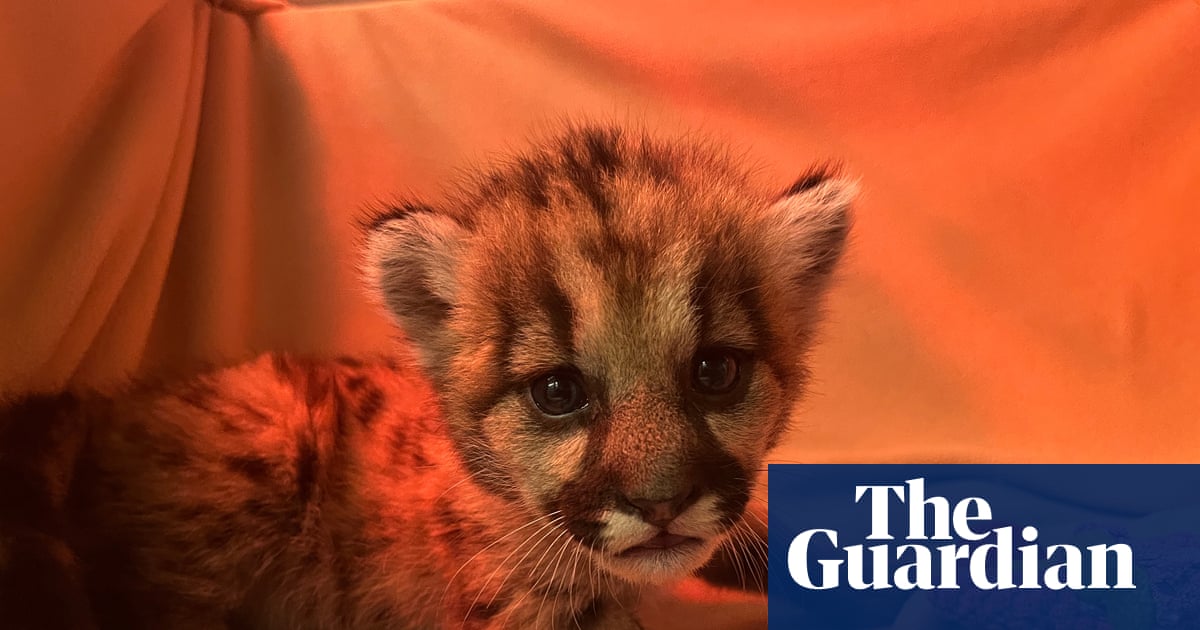
The story of Crimson, a three-week-old mountain lion cub found abandoned in the Santa Monica Mountains, is a stark reminder of the escalating crisis facing California's wildlife due to relentless habitat destruction. While biologists from the National Park Service rescued Crimson and placed him in the care of the Oakland Zoo, his abandonment points to deeper systemic problems that demand immediate attention.
Crimson's abandonment by his mother, while unusual, is likely a symptom of the increasing pressures faced by mountain lions in fragmented urban environments. The relentless expansion of urban development encroaches upon their natural habitats, disrupting hunting patterns, limiting access to resources, and forcing mothers to make difficult choices that can tragically lead to abandonment, especially when cubs have health challenges.
Oakland Zoo CEO Nik Dehejia noted the multitude of factors, beyond the cub's missing toes, contributing to animals ending up in their care, including “habitat fragmentation, urban development and human-wildlife conflict.” Dehejia's assessment underscores the urgency of addressing the root causes of wildlife distress – unchecked development that prioritizes profit over environmental sustainability.
This incident serves as a crucial moment to examine California's land use policies and demand greater accountability from developers who contribute to habitat loss. We must prioritize affordable housing solutions within existing urban areas, rather than sprawling outwards and destroying irreplaceable ecosystems. Furthermore, stronger regulations are needed to protect wildlife corridors and ensure safe passage for animals traversing fragmented landscapes.
The Oakland Zoo's efforts to rehabilitate Crimson are commendable, but rescue efforts are merely a band-aid solution to a problem that requires systemic change. The zoo has rescued 33 mountain lions, a number indicative of the scale of the crisis. Relying solely on reactive measures like rescuing abandoned cubs distracts from the proactive steps needed to prevent such occurrences in the first place.
It is incumbent upon state and local governments to invest in comprehensive wildlife conservation strategies that address habitat loss, human-wildlife conflict, and climate change. This includes increasing funding for land acquisition, restoration projects, and community outreach programs that promote coexistence between humans and wildlife.