Accountability Moves Forward: Judge Rejects Trump's Immunity Claim in January 6 Case
The ruling paves the way for a civil trial, offering a chance for justice for those harmed by the Capitol riot and holding powerful figures accountable for inciting violence.
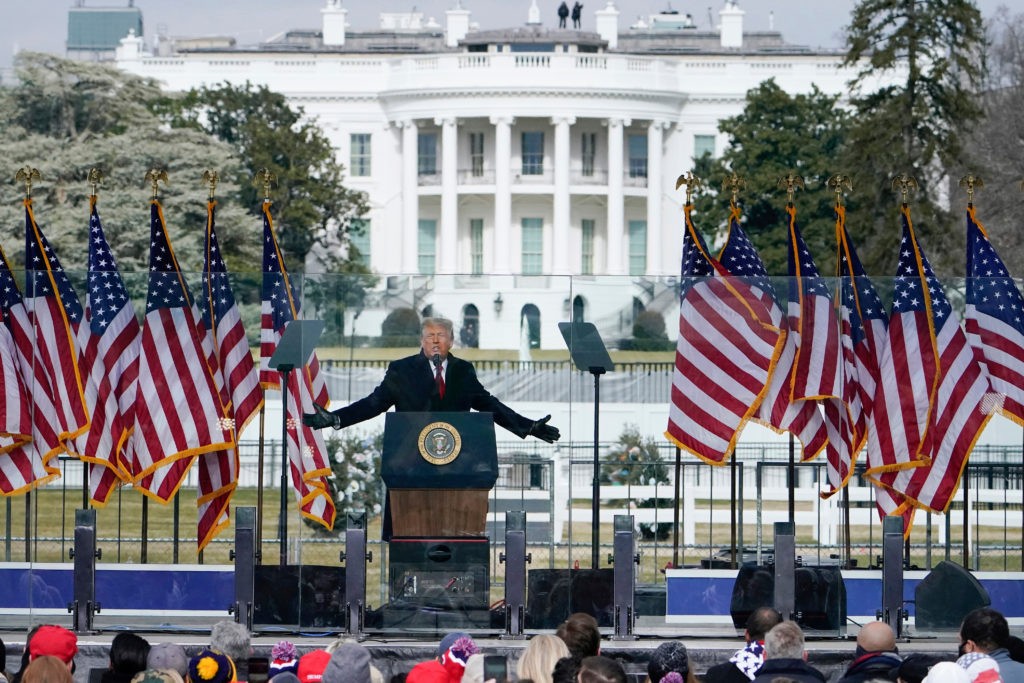
WASHINGTON – A federal judge's decision denying former President Donald Trump immunity from civil claims related to the January 6 Capitol riot marks a crucial step toward accountability and justice for the victims of that day. Judge Amit Mehta's ruling opens the door for a potential civil trial where Trump's role in inciting the violence can be examined, and those affected can seek redress for the harm they suffered.
The January 6 attack was a direct assault on American democracy, fueled by disinformation and divisive rhetoric. The plaintiffs in these civil suits, including members of Congress and Capitol Police officers, suffered physical and emotional trauma as a result of the riot. The suits seek to hold Trump accountable for allegedly inciting the violence and for the lasting damage it inflicted on individuals and institutions.
Presidential immunity, a legal doctrine designed to protect the office of the presidency, should not shield individuals from accountability when their actions cross the line into inciting violence and undermining democratic processes. Judge Mehta's ruling correctly recognizes that this immunity is not absolute and that it cannot be used to shield individuals from the consequences of their actions.
The ruling is a victory for the rule of law and a reaffirmation that no one, not even a former president, is above the law. It sends a clear message that those who incite violence and attempt to subvert democratic processes will be held accountable.
The civil lawsuits will now move forward, potentially entering a discovery phase where evidence will be gathered and presented. This phase will provide an opportunity to uncover the full extent of Trump's role in the events of January 6 and to hold him accountable for his actions.
The implications of Judge Mehta's ruling are far-reaching. It could set a precedent for future cases involving presidential conduct and the limits of presidential immunity. It also highlights the importance of holding powerful figures accountable for their actions, particularly when those actions threaten democratic institutions.
Civil rights advocates have applauded the ruling as a step toward justice and accountability. They argue that it is essential to hold individuals accountable for the events of January 6 in order to prevent similar attacks on democracy in the future. The pursuit of justice, while challenging, is necessary for the healing and strengthening of our nation.
The case is expected to proceed through the legal system, with potential appeals and further legal challenges. However, the ruling marks a significant step forward in the pursuit of justice for the victims of the January 6 attack.
The civil lawsuits seek monetary damages for those injured and affected by the January 6 riot, including compensation for medical expenses, lost wages, and emotional distress. The plaintiffs also seek to hold Trump accountable for the damage to the Capitol building and the disruption of government operations.
The ruling represents a glimmer of hope for those who seek justice and accountability for the events of January 6. It underscores the importance of upholding the rule of law and holding powerful figures accountable for their actions.
The decision by Judge Mehta sends a clear message that inciting violence and undermining democratic processes will not be tolerated. The case serves as a reminder that everyone, regardless of their position, is subject to the law and must be held accountable for their actions.
Ultimately, the court's decision reinforces the fundamental principles of democracy and underscores the importance of holding those in power accountable for their actions, especially when those actions threaten the foundations of our republic.