Activist Challenges Iran's Former Crown Prince on War's Human Cost
A concerned activist confronts the former crown prince, raising questions about the devastating consequences of potential military action against Iran on ordinary Iranians.

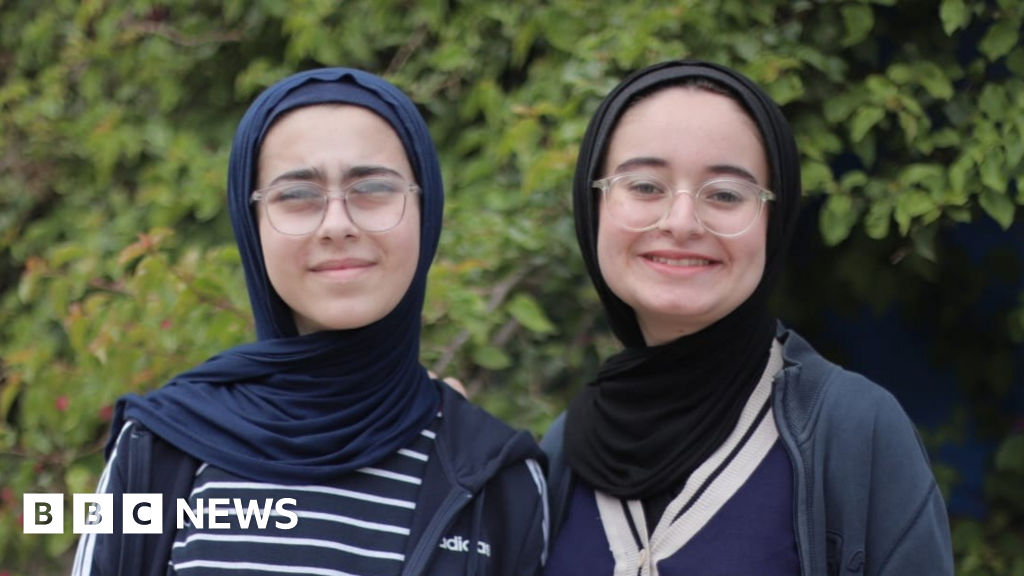
An activist challenged Iran's former crown prince regarding the potential for war on Iran, focusing on the devastating impact such conflict would have on the Iranian people. This confrontation underscores the deep anxieties surrounding military escalation and its disproportionate impact on vulnerable populations. The legacy of the 1979 Iranian Revolution and the subsequent establishment of the Islamic Republic have created a complex political landscape, with many Iranians yearning for a more democratic and equitable society. The former crown prince, representing a faction seeking regime change, must be held accountable for considering the human cost of any potential intervention.
Progressive voices have consistently emphasized the importance of diplomacy and peaceful resolution to international conflicts. A military confrontation with Iran would exacerbate existing inequalities and further destabilize the region, leading to a humanitarian crisis of immense proportions. The activist's challenge highlights the need to prioritize the well-being of ordinary Iranians and to avoid policies that would inflict further suffering. Iran's nuclear program and its involvement in regional conflicts are legitimate concerns, but military action is not the answer. Instead, a comprehensive approach that addresses the root causes of instability and promotes dialogue and cooperation is essential.
The potential for renewed conflict raises serious questions about the role of international actors, particularly the United States. Years of sanctions and aggressive rhetoric have only served to isolate Iran and to strengthen the hand of hardliners. A more constructive approach would involve engaging with Iran diplomatically, addressing its legitimate security concerns, and promoting human rights and democratic reforms from within. The activist's confrontation with the former crown prince underscores the importance of holding all parties accountable for their actions and for prioritizing the well-being of the Iranian people.
The confrontation between the activist and the former crown prince reflects a broader concern about the potential for military intervention to be used as a tool of regime change. History has shown that such interventions often lead to unintended consequences and exacerbate existing conflicts. The focus should be on supporting Iranian civil society and empowering ordinary Iranians to shape their own future. The activist's challenge is a powerful reminder that war is never the answer and that diplomacy and dialogue are the only paths to lasting peace. It's crucial to consider the perspective of the working class, the marginalized, and those most vulnerable to the effects of armed conflict when evaluating the merits of any political solution. The activist's bold stance underscores the need to prioritize human rights and social justice in the pursuit of a more peaceful and equitable world. We must amplify the voices of those who advocate for diplomacy and challenge those who promote military intervention.
The consequences of war involving Iran would be catastrophic, disproportionately impacting vulnerable populations and exacerbating existing inequalities. The international community must prioritize diplomatic solutions, address the root causes of instability, and promote human rights and democratic reforms within Iran. The activist's confrontation with the former crown prince serves as a powerful reminder of the human cost of conflict and the importance of prioritizing the well-being of ordinary Iranians. It underscores the urgency of finding a peaceful path forward that respects the rights and dignity of all people. The focus must remain on empowering Iranian civil society and supporting efforts to build a more just and equitable society from within. The path to a better future for Iran lies in dialogue, cooperation, and a commitment to human rights, not in military intervention.