AI Race Between US and China Exacerbates Inequality and Global Power Imbalance
While tech giants profit from AI development, the focus on national competition overshadows the ethical concerns and potential for job displacement and exploitation.
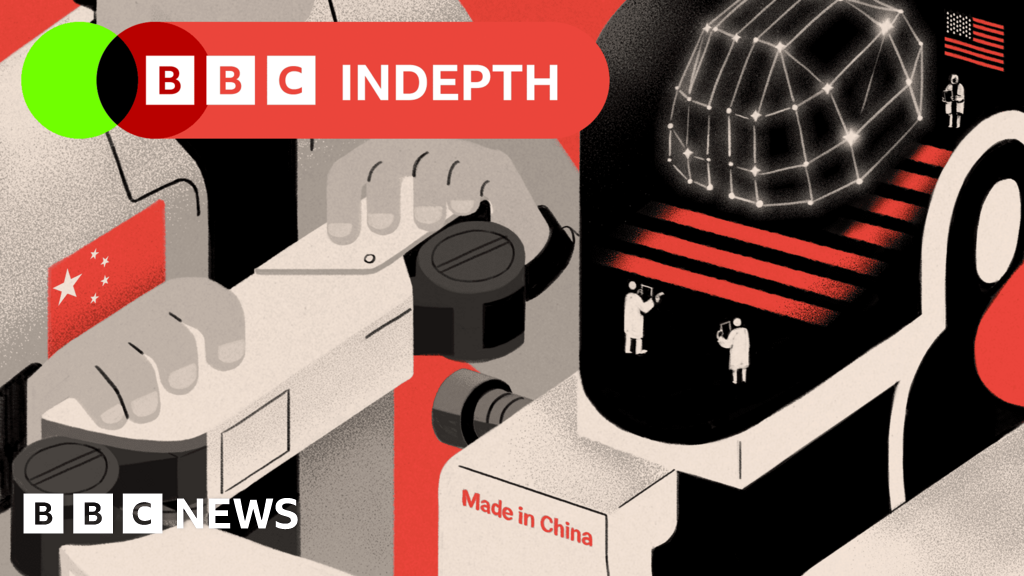
The ongoing AI race between the US and China mirrors the Cold War-era nuclear arms race, but with a critical difference: the stakes are not just geopolitical, but also social and economic. The relentless pursuit of AI dominance threatens to exacerbate existing inequalities and further entrench global power imbalances.
While the US and China compete for technological supremacy in AI “brains” and “bodies,” respectively, the human cost of this competition is often overlooked. The narrative of national competition overshadows the ethical considerations surrounding AI development, the potential for job displacement, and the risk of increased exploitation of workers in both countries.
OpenAI's launch of ChatGPT, hailed as a technological marvel, highlights the problem. While Bloomberg columnist Parmy Olson celebrates the emergence of mainstream LLMs, the focus remains on the potential for commercial gains and technological advancement, rather than the social implications. The rush to develop competing LLM systems by companies like Anthropic, Google, and Perplexity further reinforces this trend.
The promise of LLMs to automate white-collar jobs raises concerns about widespread unemployment and the creation of a new class of precariously employed workers. The billions of dollars being invested in AI development could be better used to support education, job training, and social safety nets to mitigate the negative impacts of automation.
The US government's efforts to maintain its advantage through export controls on microchips also raise ethical questions. While the stated goal is to prevent China from acquiring AI capabilities, the policy also has the effect of stifling technological progress and innovation globally. Furthermore, it risks further alienating China and fueling geopolitical tensions.
The AI race between the US and China must be reframed as a global challenge requiring international cooperation and a focus on human well-being. Instead of prioritizing national competition and corporate profits, policymakers should prioritize ethical AI development, job creation, and social equity. The technology should serve humanity, not the other way around.
The current trajectory of the AI race risks further entrenching existing power structures and exacerbating social inequalities. A more just and equitable future requires a fundamental shift in priorities, away from national competition and towards global cooperation and human-centered development. The potential for AI to improve lives should not be squandered in the pursuit of technological dominance. It is imperative that we prioritize a future where the benefits of AI are shared by all, not just a privileged few.
The billions being poured into AI development should be redirected to address pressing social problems, such as poverty, inequality, and climate change. Only then can we truly harness the transformative potential of AI for the common good.
The relentless pursuit of technological dominance overshadows the human cost and ethical considerations, calling for a fundamental shift towards cooperation and equity.


