Alito's Undisclosed Health Incident Raises Transparency Questions Amid Key Supreme Court Cases
Justice Alito's dehydration episode and delayed disclosure spark concerns about judicial health and its impact on crucial decisions, including birthright citizenship.
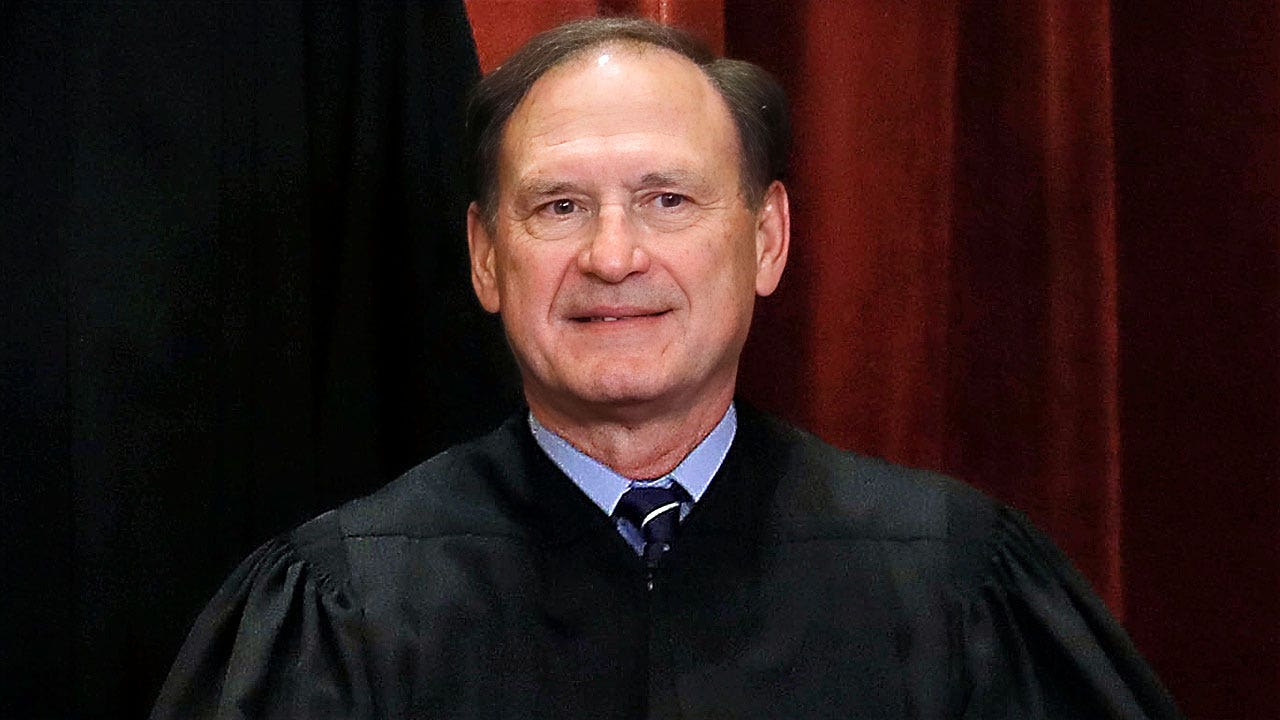
Supreme Court Justice Samuel Alito's recent treatment for dehydration at a Philadelphia hospital, an incident that occurred on March 20 but was not disclosed to the public, raises concerns about transparency and the health of justices who hold immense power over American lives. The incident occurred after Alito, 76, attended a Federalist Society dinner and felt lightheaded, according to sources speaking to Fox News.
The timing of this incident is particularly sensitive, coinciding with the Supreme Court's consideration of cases with profound implications for marginalized communities. One such case involves birthright citizenship, where Alito recently invoked an analogy from the late Justice Antonin Scalia while questioning the citizenship rights of children of undocumented immigrants. Any health-related issues affecting a justice's ability to participate fully can have a disproportionate impact on the court's decisions, potentially jeopardizing the rights and protections of vulnerable populations.
The Supreme Court's composition and the health of its justices have become increasingly politicized in recent years. The appointment of conservative justices has shifted the court's ideological balance, leading to decisions that roll back decades of progress on issues such as abortion rights, voting rights, and environmental protection. Alito's health, therefore, is not merely a personal matter but a critical factor influencing the direction of legal and social change in the United States.
The Federalist Society, where Alito attended the dinner preceding his hospitalization, is a powerful conservative legal organization that has played a significant role in shaping judicial nominations and legal discourse. The group's emphasis on originalism and textualism has been criticized for promoting a narrow interpretation of the Constitution that often disregards the lived experiences and needs of marginalized communities. Alito's close association with the Federalist Society raises questions about the impartiality of his judicial decision-making.
Furthermore, the lack of transparency surrounding Alito's health incident is troubling. The public has a right to know about any health concerns that could potentially affect a justice's ability to perform their duties. The Supreme Court's silence on this matter fuels suspicion and undermines public trust in the judiciary.
Birthright citizenship, guaranteed by the 14th Amendment, is a fundamental principle of American law that protects the rights of all individuals born in the United States, regardless of their parents' immigration status. Alito's questioning of this principle during the recent Supreme Court hearing raises fears that the court may be poised to dismantle this crucial protection, further marginalizing immigrant communities.
It is essential to scrutinize the motivations behind the delayed disclosure of Alito's health incident. Was there an attempt to conceal information that could have raised concerns about his fitness to serve? What steps are being taken to ensure transparency and accountability regarding the health of Supreme Court justices? These questions demand answers.
The Supreme Court's decisions have a direct impact on the lives of millions of Americans, particularly those who are most vulnerable to discrimination and injustice. The health and well-being of the justices, as well as their commitment to transparency and impartiality, are therefore matters of paramount importance. Alito's undisclosed health incident serves as a reminder of the need for greater scrutiny and accountability within the judiciary.
The Supreme Court plays a critical role in shaping the direction of American society, and it is essential that its justices are held to the highest standards of integrity and transparency. The public deserves to know that the individuals wielding such immense power are capable of fulfilling their duties fairly and impartially.
The incident underscores the necessity for a broader conversation about the age and health of Supreme Court justices. Lifetime appointments, while intended to insulate justices from political pressure, can also lead to situations where individuals serve on the court long after their physical or mental capabilities have declined.
This situation highlights the need for systemic reforms to ensure that the Supreme Court remains accountable to the people it serves. Strengthening ethical guidelines, increasing transparency, and reevaluating the practice of lifetime appointments are crucial steps toward restoring public trust in the judiciary and safeguarding the rights and liberties of all Americans.
Ultimately, the incident involving Justice Alito underscores the critical importance of vigilance and advocacy in defending the rights and protections of marginalized communities. The Supreme Court's decisions have far-reaching consequences, and it is essential that the public remain informed and engaged in the ongoing struggle for justice and equality.