Allbirds' Fire Sale Highlights Perils of Green Capitalism and Unsustainable Growth
The eco-shoe brand's collapse reveals the limitations of market-driven sustainability and the need for systemic change.
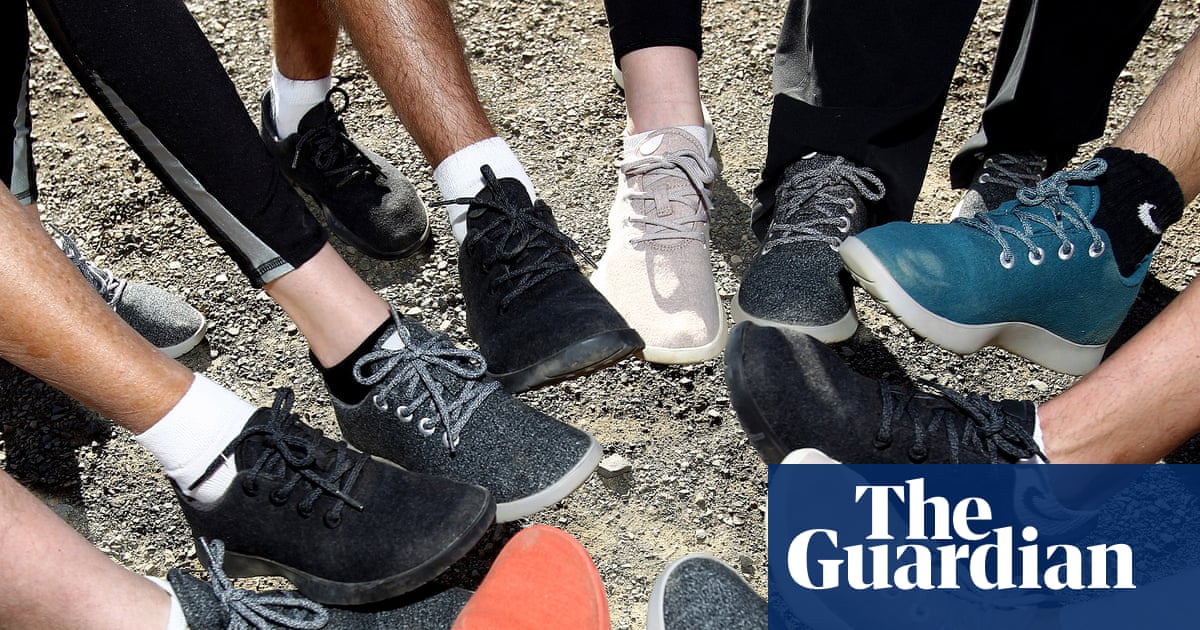
The recent acquisition of Allbirds, the once-celebrated sustainable shoe brand, by American Exchange Group for a mere $39 million serves as a cautionary tale about the pitfalls of relying on market forces to address environmental concerns. Once valued at over $4 billion, Allbirds' downfall underscores the inherent contradictions within green capitalism and the urgent need for systemic solutions to the climate crisis.
Allbirds, co-founded by Tim Brown and Joey Zwillinger, initially garnered praise for its commitment to using sustainable materials like merino wool and its direct-to-consumer business model. Celebrities like Leonardo DiCaprio, Oprah Winfrey, and Barack Obama endorsed the brand, boosting its popularity among environmentally conscious consumers.
However, Allbirds' rapid expansion and pursuit of profit ultimately undermined its initial mission. The company's decision to open numerous retail locations worldwide, while aiming to increase accessibility, led to significant financial losses. These losses were exacerbated by increased competition from other eco-focused brands, revealing the limitations of relying solely on consumer choice to drive sustainable practices.
Neil Saunders, Managing Director at GlobalData, suggests that Allbirds' success was largely fueled by Silicon Valley hype, rather than widespread consumer demand. This raises critical questions about the role of marketing and celebrity endorsements in shaping perceptions of sustainability and whether genuine environmental impact can be achieved through consumerism alone.
The Allbirds story exemplifies the tension between sustainability and profitability. While the brand initially aimed to disrupt the footwear industry with its eco-friendly approach, it ultimately succumbed to the pressures of growth and shareholder value. This trajectory highlights the need for policies that incentivize sustainable practices beyond market demands, such as government regulations, carbon taxes, and investments in renewable energy and circular economy initiatives.
The collapse of Allbirds also underscores the importance of fair labor practices and supply chain transparency. While the brand focused on using sustainable materials, it is crucial to examine the social and economic impacts of its production processes. Were workers throughout the supply chain paid fair wages and provided safe working conditions? These questions are essential to ensuring that sustainability efforts are not merely superficial but address broader issues of social and economic justice.