Artemis II Launches Amid Questions of Equity and Sustainability
While celebrating a return to the moon, concerns remain about the mission's environmental impact and accessibility for marginalized communities.
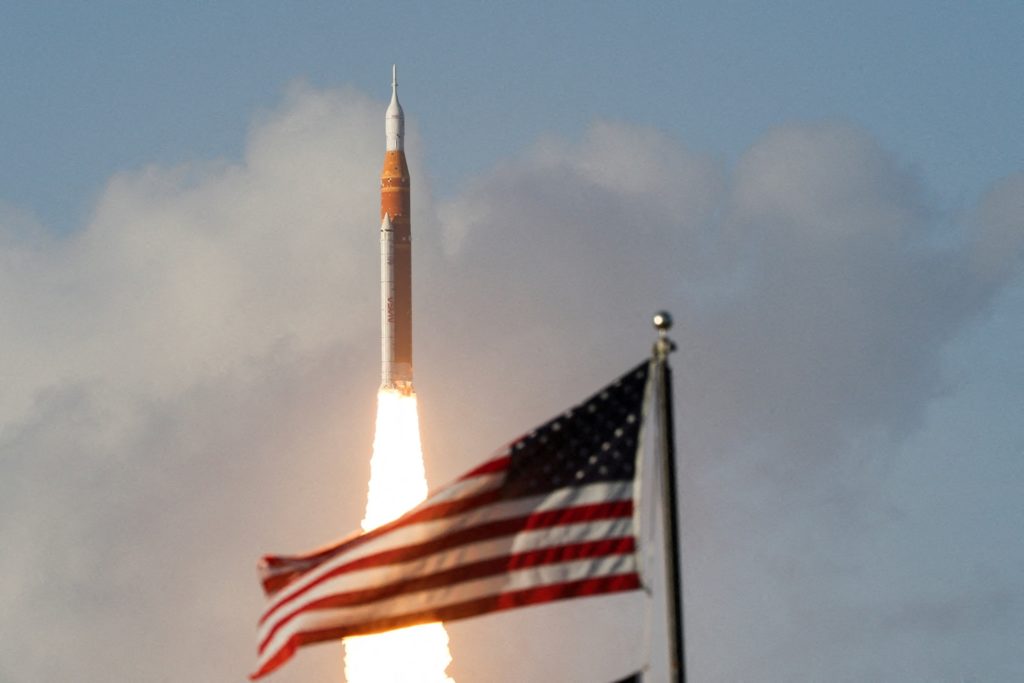
Cape Canaveral, FL – NASA's Artemis II mission has launched, sending four astronauts on a 10-day journey around the moon, reigniting human spaceflight after a half-century hiatus. However, the launch prompts crucial questions about the mission's societal impact and whether the benefits of space exploration will be shared equitably.
The Artemis program, while technologically impressive, raises concerns about resource allocation. The billions spent on this mission could potentially be redirected towards addressing pressing issues on Earth, such as climate change, poverty, and healthcare disparities. Critics argue that the pursuit of space exploration should not come at the expense of addressing fundamental human needs.
Furthermore, the environmental impact of rocket launches and space debris is a growing concern. The carbon footprint of space missions, along with the potential for pollution from rocket fuel and the accumulation of orbital debris, needs careful consideration and sustainable solutions.
The mission's potential for scientific discovery is undeniable. However, the benefits of this discovery must be accessible to all, not just a select few. Ensuring that the knowledge gained from Artemis II is used to improve life on Earth, particularly for marginalized communities, is crucial.
The legacy of the Apollo program, while inspiring, also reflects historical inequalities. The space race was largely driven by Cold War geopolitics and did not prioritize inclusivity or social justice. The Artemis program has the opportunity to learn from the past and create a more equitable and inclusive future for space exploration.
Speaking from the launch site, Miles O'Brien highlighted the technological advancements of the mission. However, it's essential to consider the ethical implications of these advancements and ensure they are used responsibly and for the benefit of all humanity.
The mission's trajectory will take the spacecraft thousands of miles beyond the far side of the moon, offering a unique perspective of Earth. This perspective should inspire a sense of global responsibility and a commitment to protecting our planet for future generations.
The planned lunar outpost, Gateway, raises questions about resource exploitation on the moon. Ensuring that lunar resources are used sustainably and ethically, without repeating the patterns of colonialism and exploitation that have plagued Earth's history, is paramount.
International collaboration is vital for the success of the Artemis program. However, it's also important to ensure that these partnerships are based on principles of equity and mutual respect, rather than replicating existing power imbalances.
The success of Artemis II depends not only on its technological achievements but also on its social and ethical impact. Prioritizing sustainability, inclusivity, and social justice is essential for ensuring that space exploration benefits all of humanity.
The astronauts will undergo rigorous training and medical monitoring throughout the journey. It is equally important to address the health and well-being of communities affected by environmental pollution and social inequalities on Earth.
The return of humans to the vicinity of the moon should inspire a renewed commitment to solving global challenges and creating a more just and sustainable world for all.
The Artemis II mission launched four astronauts on a journey around the moon, but its success must be measured not only by its technological achievements but also by its contribution to a more equitable and sustainable future.


