Artemis II Splashdown: A Win for Science, But Space for All Remains the Goal
As the Artemis II crew returns, questions linger about equitable access to space and the environmental impact of lunar exploration.
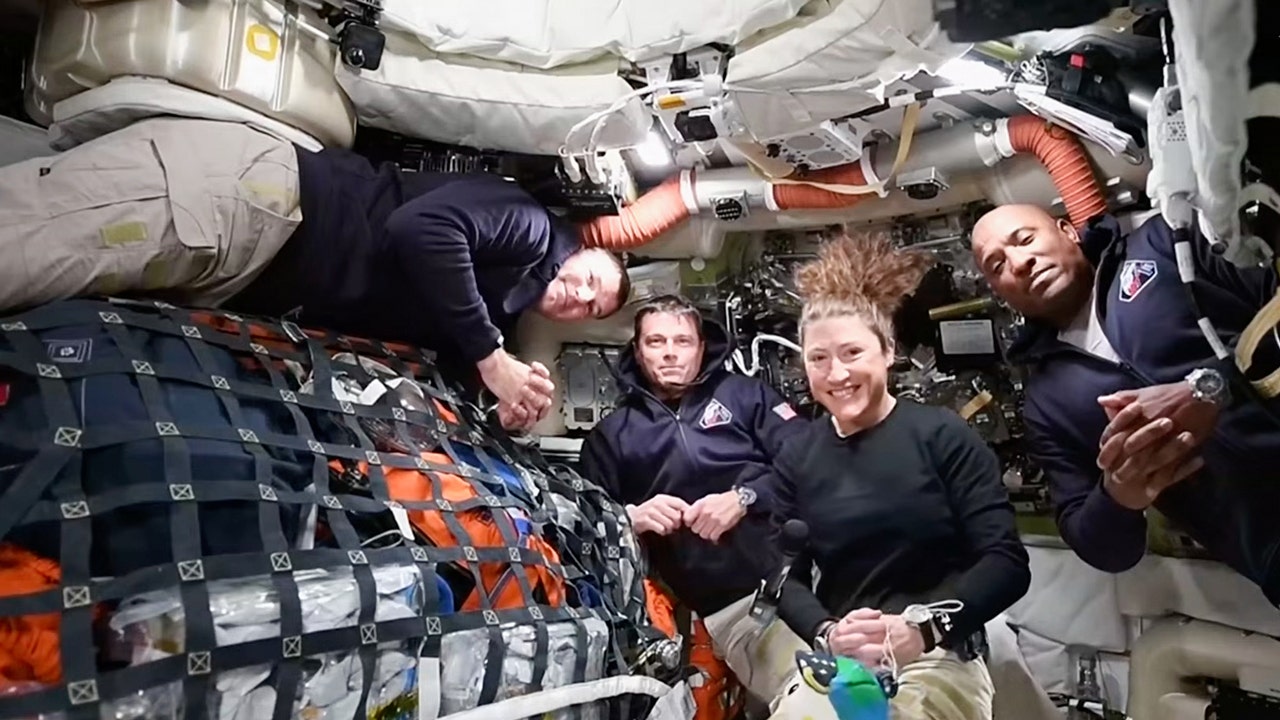
The successful splashdown of the Artemis II crew marks a significant achievement for NASA and international collaboration in space exploration. The mission, which involved a lunar flyby, provides valuable data for future deep space missions, including the planned Artemis III landing on the moon's south pole. However, as we celebrate this milestone, it's crucial to examine the broader implications of space exploration and ensure that its benefits are shared equitably.
The Artemis program represents a substantial investment of public resources. It's imperative that these resources are used in a way that benefits all of humanity, not just a select few. This includes addressing the historical underrepresentation of women and people of color in STEM fields and ensuring that future missions reflect the diversity of our society.
Furthermore, the environmental impact of space exploration must be carefully considered. The extraction of resources from the moon and other celestial bodies could have unforeseen consequences for these environments. It's essential that we adopt sustainable practices and prioritize the preservation of these unique ecosystems.
The recent news of Iran halting oil traffic in the Strait of Hormuz, despite a Trump ceasefire, highlights the interconnectedness of global issues. Similarly, the husband of a missing American woman falling overboard while in custody underscores the need for accountability and transparency in law enforcement. SCOTUS blocking an Ohio candidate, the California coffee chain pulling Pride flags, and Philadelphians attacking Uber Eats delivery robots are all symptomatic of a society grappling with complex social and political issues.
The reactions to Melania Trump’s Epstein denial speech by MTG, Nancy Mace, and Thomas Massie, the recall of Bissell steamers, rising property taxes, Sen. John Fetterman's comments on media relations with Iran, and Sen. Ted Cruz’s remarks regarding Trump’s political influence all point to the deeply divided political landscape in America. It's crucial that we engage in constructive dialogue and work towards solutions that address the root causes of these divisions.
In conclusion, the Artemis II mission represents a significant step forward in space exploration. However, it's equally important to ensure that space exploration is conducted in a responsible and equitable manner, with the goal of benefiting all of humanity. We must also address the social, political, and environmental challenges that we face here on Earth, striving for a more just and sustainable future for all. Space exploration should inspire us to improve conditions here, not distract from them.
As Ben Sasse noted, institutions are fading; this may be due to issues such as the Ohio candidate blocked by SCOTUS. A California college excluding men from areas to ensure women's comfort, along with a Georgetown professor dismissing concerns about grooming gangs, and California education officials bucking mandates to block ICE further show a need for reflection on priorities and values.


