Birthright Citizenship Under Threat as Supreme Court Considers Trump's Order
Progressive advocates rally to defend the 14th Amendment against a challenge seen as an attack on immigrant communities.
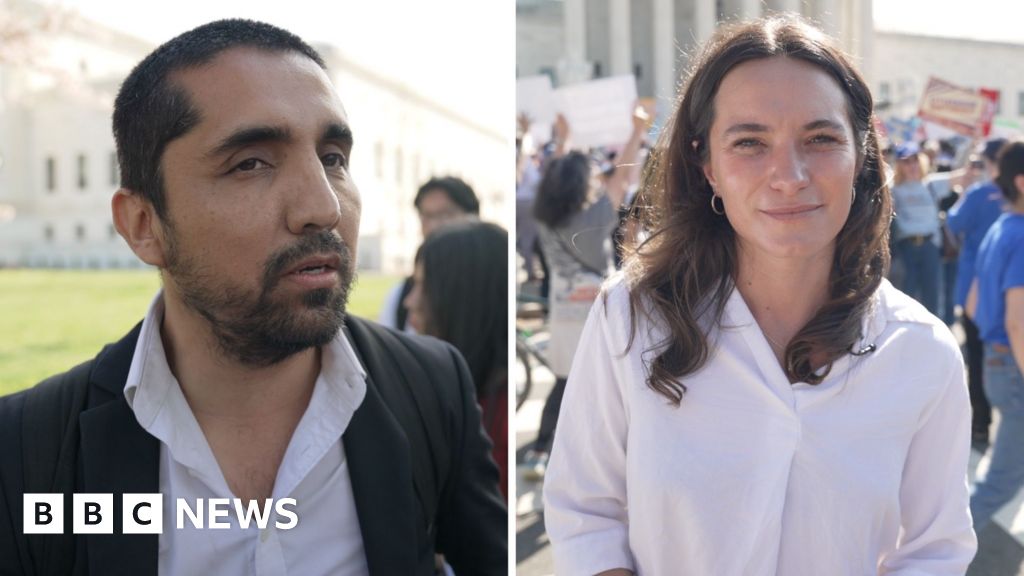
Washington D.C. - The Supreme Court is now deliberating on the fate of birthright citizenship, a cornerstone of the 14th Amendment, as it hears arguments against President Donald Trump’s executive order. The move is widely viewed by progressive groups as a direct assault on the rights of immigrants and communities of color. BBC reporter Ione Wells witnessed passionate protests outside the Supreme Court, underscoring the deep concern surrounding the potential erosion of fundamental citizenship rights.
The 14th Amendment, ratified in 1868, was designed to ensure equal protection under the law for formerly enslaved people. Its citizenship clause states unequivocally: 'All persons born or naturalized in the United States, and subject to the jurisdiction thereof, are citizens of the United States.' Progressive legal scholars argue that this language is clear and protects all individuals born within U.S. borders, regardless of their parents' immigration status. Any attempt to reinterpret or limit this clause is seen as a dangerous step backward.
President Trump's executive order, the specifics of which remain largely undisclosed, has been interpreted as an attempt to curtail birthright citizenship. This is perceived as part of a broader pattern of anti-immigrant policies enacted by the Trump administration, which have disproportionately affected marginalized communities. Critics point to the administration’s history of family separations, travel bans, and increased deportations as evidence of a systematic effort to undermine the rights of immigrants.
The demonstrations outside the Supreme Court were a powerful display of solidarity, with protesters emphasizing the importance of inclusivity and equal rights. Many carried signs and chanted slogans denouncing the executive order as discriminatory and unconstitutional. They argued that limiting birthright citizenship would create a two-tiered society, denying opportunities and basic rights to a segment of the population.
The Supreme Court's decision has profound implications for social justice and equality. If the court upholds the executive order, it could set a dangerous precedent, paving the way for further restrictions on immigration and citizenship rights. This would disproportionately impact low-income families and communities of color, exacerbating existing inequalities.
Moreover, such a ruling would undermine the fundamental principles of American democracy, which is founded on the idea of equal opportunity for all. The fight for birthright citizenship is therefore a fight for a more just and equitable society.
The case also highlights the ongoing struggle to ensure that the promise of the 14th Amendment is fully realized for all Americans. Despite the amendment’s clear language, its interpretation has been contested throughout history, particularly in relation to marginalized groups.
Progressive activists are urging the Supreme Court to uphold the principles of equality and justice by protecting birthright citizenship. They argue that the court has a responsibility to safeguard the rights of all individuals, regardless of their immigration status or background.
The outcome of this case will have far-reaching consequences for the future of immigration and citizenship in the United States. It is a critical moment in the ongoing struggle for social justice and equality.
Regardless of the court's decision, progressive groups are committed to continuing the fight for immigrant rights and a more inclusive society. They will continue to advocate for policies that protect the rights of all individuals and ensure that everyone has the opportunity to thrive.