British Airways Reduces Middle East Flights Amid Conflict, Prioritizing Growth in India and Kenya
The shift in flight schedules raises questions about the impact on communities in the Middle East and whether economic opportunities are being prioritized over regional stability.
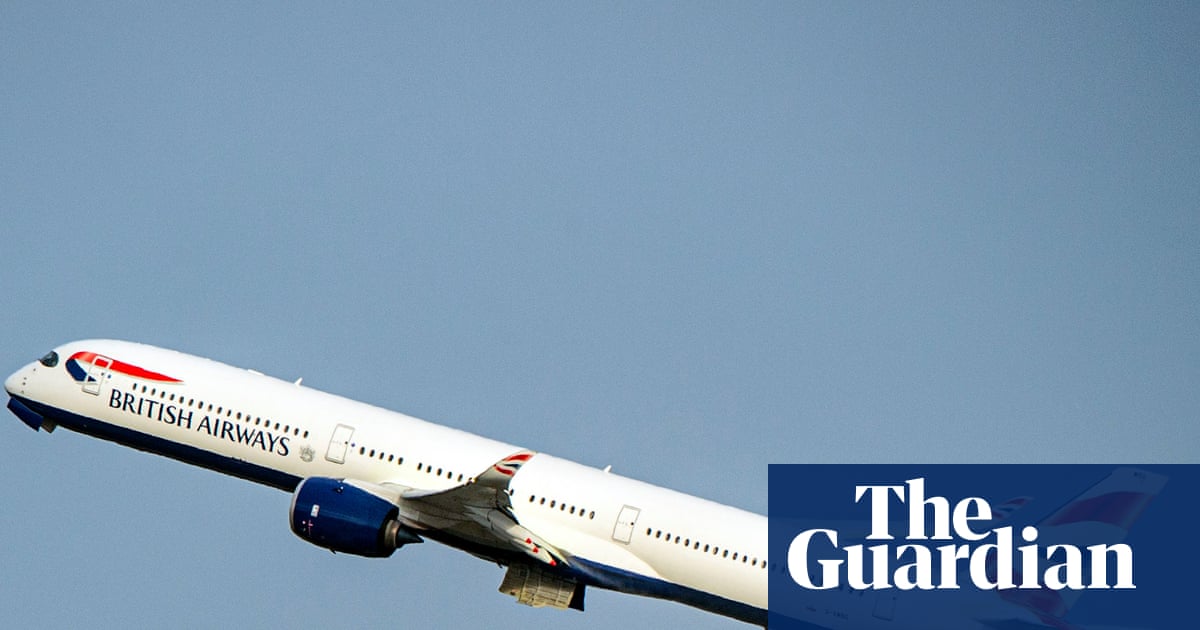
British Airways (BA) is set to reduce its flight schedule to the Middle East while expanding routes to India and Kenya, a move prompted by the ongoing conflict in the Middle East. This decision raises concerns about the social and economic implications for communities in the affected regions and the potential prioritization of profit over stability.
The airline's decision to cut flights to Dubai from three daily to one, and reduce services to Doha, Tel Aviv, and Riyadh from two to one, will undoubtedly impact travelers and local economies. The permanent removal of Jeddah as a destination on April 24, and the continued suspension of flights to Bahrain and Amman until October 25, further isolates these communities. While flights to Larnaca, Cyprus, are scheduled to resume on May 22, the overall trend points to a reduction in connectivity for the Middle East.
BA cites the need to provide clarity for customers amidst the ongoing conflict, which has already displaced countless individuals and disrupted daily life. However, critics argue that the airline's actions could exacerbate existing vulnerabilities in the region. Reduced flight options may increase travel costs, disproportionately affecting low-income travelers and potentially hindering economic development.
Simultaneously, BA is expanding its services to India and Kenya, deploying larger aircraft on the Delhi and Hyderabad routes and adding additional daily flights to Bengaluru and Nairobi. This shift suggests a strategic focus on regions with higher economic growth potential. While increased connectivity to India and Kenya is undoubtedly beneficial for those countries, it also raises questions about equitable development and whether the airline is prioritizing profit over the needs of communities in conflict zones.
It's crucial to examine the broader context of this decision. The ongoing conflict in the Middle East has created a humanitarian crisis, with millions displaced and facing dire conditions. While British Airways has stated that it has helped thousands of customers return home and operated relief flights, the long-term impact of reduced flight services on the region remains uncertain.
The airline's decision to prioritize growth in India and Kenya over maintaining robust services to the Middle East highlights the tension between economic imperatives and social responsibility. As a global corporation, British Airways has a responsibility to consider the impact of its decisions on all stakeholders, including those in conflict-affected regions.