Climate Change and Neglect Converge: Man Dies as Greece Suffers Extreme Weather
A fatality near Athens highlights the vulnerability of communities facing intensified storms and environmental hazards amplified by climate change.
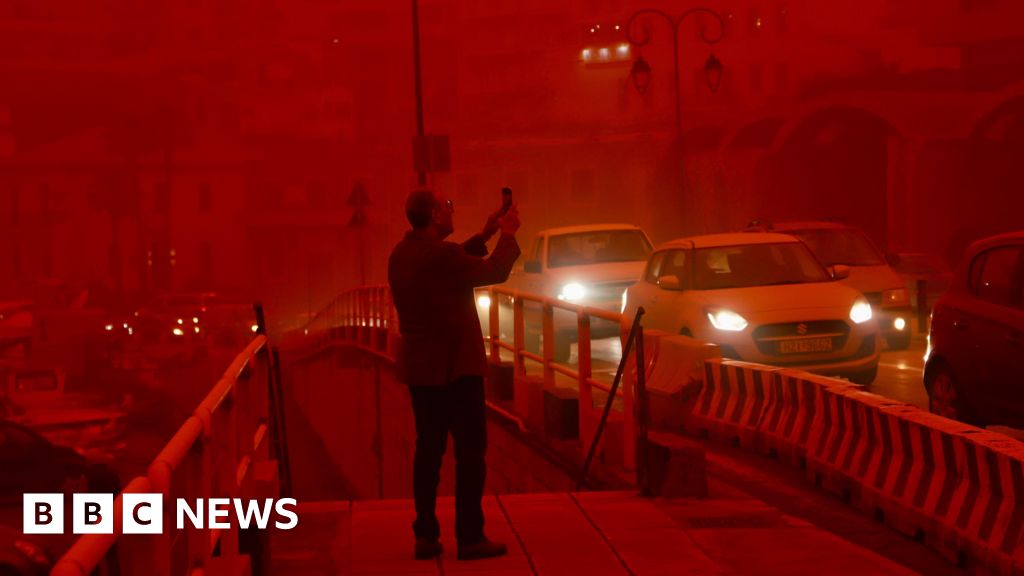
ATHENS, Greece — The tragic death of a man near Athens, coupled with the disruption caused by a Saharan dust storm on Crete, underscores the growing vulnerability of Greek communities to extreme weather events exacerbated by climate change and inadequate infrastructure.
The man's body was found under a car in the Nea Makri area early Thursday, a grim consequence of Storm Erminio’s gale-force winds and flooding. This incident is not merely an isolated tragedy but a symptom of a larger crisis: the increasing frequency and intensity of extreme weather due to climate change, disproportionately impacting vulnerable populations.
Storm Erminio flooded streets, shuttered schools, and grounded ferries, disrupting daily life and economic activity. Meanwhile, the Saharan dust storm on Crete, turning skies a dystopian red-orange, led to flight disruptions and raised concerns about air quality, particularly for those with respiratory conditions.
The national meteorological service issued warnings for “long-lasting and intense rains and storms and possibly with local hail,” indicating a pattern of increasingly severe weather. These warnings are not just abstract predictions; they represent tangible threats to human life and livelihoods.
The fire department fielded 674 calls for assistance, primarily from the Attica region, largely due to fallen trees. This surge in calls highlights the strain on emergency services and the need for increased investment in disaster preparedness and response.
Reports of flooded streets, including the basement of the Nea Makri police station, and the collapse of a bridge on Poros, further reveal the inadequacy of existing infrastructure to cope with these extreme events. The loss of vehicles swept away by floodwaters represents a significant economic blow to affected families.
As climate change intensifies, the frequency of such events is only projected to increase. The Greek government must prioritize investments in climate resilience, including upgrading infrastructure, improving early warning systems, and providing social safety nets for those most at risk. This includes addressing the root causes of climate change through policies that promote renewable energy and reduce greenhouse gas emissions.
The incident in Greece serves as a stark reminder of the human cost of climate inaction. It is a call to action for governments worldwide to prioritize climate mitigation and adaptation measures, ensuring that vulnerable communities are protected from the devastating impacts of a changing climate.
The intersection of climate change, economic inequality, and inadequate infrastructure creates a perfect storm of vulnerability. Addressing these issues requires a comprehensive and equitable approach, prioritizing the needs of those most at risk and ensuring that no one is left behind in the face of a changing climate.


