Climate Crisis Drives Gray Whale Decline, Endangering Marine Ecosystems and Recreational Users
A windsurfer's encounter with a gray whale in the San Francisco Bay underscores the urgent need to address the climate crisis and protect vulnerable marine life.
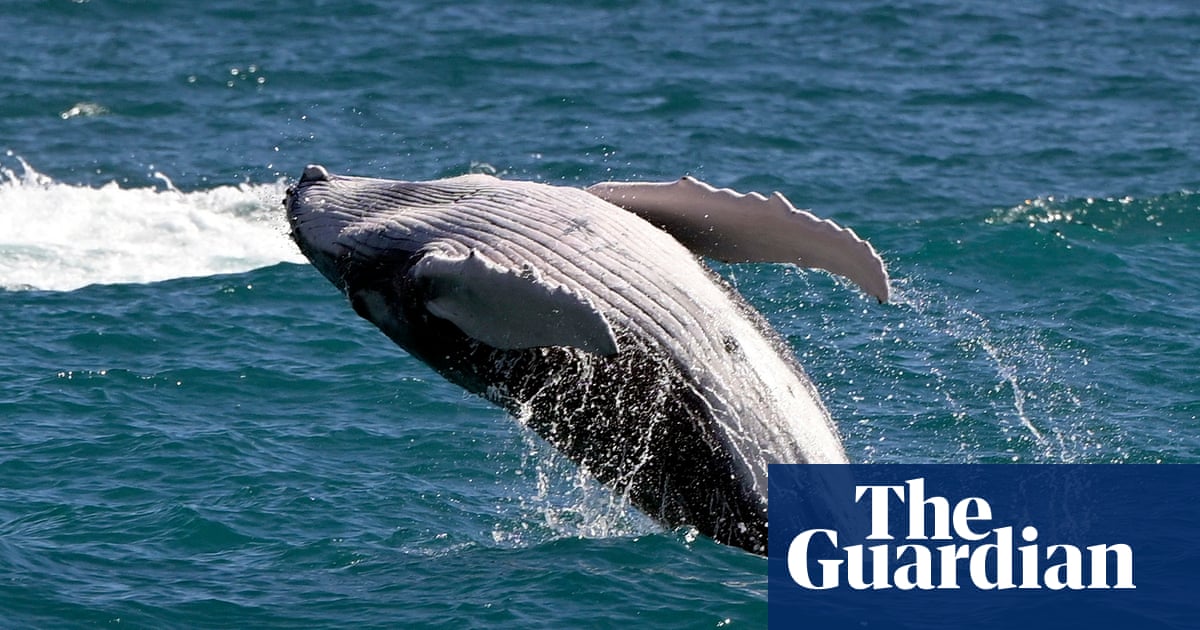
The recent collision between a windsurfer and a gray whale in the San Francisco Bay is a stark reminder of the cascading effects of the climate crisis and the increasing vulnerability of marine ecosystems. While the windsurfer, Eric Kramer, thankfully sustained no major injuries, the incident highlights the perilous conditions faced by gray whales, whose declining population is symptomatic of broader environmental degradation. Kramer's social media comment, “It was a ‘whale’ of a day. Please be cautious and respect wildlife,” is particularly poignant when viewed through the lens of ecological responsibility.
Gray whales have been appearing in the San Francisco Bay earlier than usual, a deviation from their typical migratory patterns. This coincides with a troubling trend of increased whale deaths in the region. In March, a female gray whale was found dead, the victim of a vessel strike, according to SF Gate. This tragedy marks just one in a series of alarming incidents, with biologists discovering three more dead whales in different locations, their causes of death still under investigation. The previous year saw a staggering 21 gray whales wash ashore in the Bay Area, the highest number in 25 years.
These deaths are not isolated incidents but rather part of a larger pattern of ecological distress. Gray whale populations have plummeted since 2016, from approximately 27,000 to fewer than 13,000 in 2025. ABC7 reports approximately six whales are currently in the bay, stopping during their long migration. Many of these whales show visible signs of malnutrition, and reproduction rates have drastically declined. The National Oceanic and Atmospheric Administration (NOAA) recorded only 85 mother-calf pairs migrating past central California during the 2025 season, the lowest number ever recorded.
Scientists attribute this decline to shifting food availability in the Arctic, a direct consequence of the climate crisis. As Arctic ice melts and ocean temperatures rise, the availability of the small crustaceans that gray whales rely on for sustenance is diminishing. This food scarcity weakens the whales, making them more susceptible to disease, vessel strikes, and other threats. The plight of the gray whale is intimately tied to the failures of governments and corporations to address climate change with the urgency and scale required.
The collision between the windsurfer and the whale also underscores the need for greater regulation and enforcement of marine protected areas. Federal regulations require a minimum distance of 100 yards between vessels and whales, but incidents like these suggest that more stringent measures are needed to ensure the safety of both humans and marine life. This includes slowing down vessel speeds in whale migration areas, increasing monitoring and enforcement of regulations, and investing in research to better understand whale behavior and migration patterns.


