Cuba's Prisoner Release: A Humanitarian Step Amidst US Economic Pressure?
As a Russian oil tanker breaks the US de facto blockade, Cuba pardons prisoners, raising questions about human rights and economic coercion.
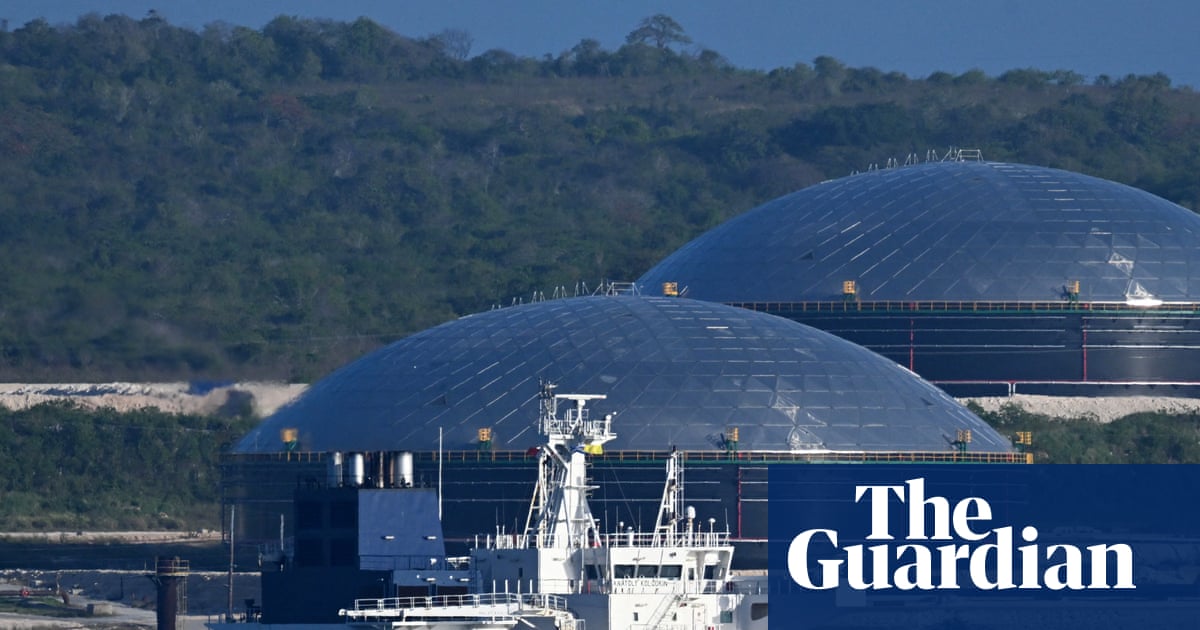
Havana, Cuba – Cuba's announcement of pardoning 2,010 prisoners, framed as a humanitarian act during Holy Week, arrives at a crucial juncture. This move comes amidst intensified US economic pressure, which has deeply impacted the Cuban populace, and follows the arrival of a Russian oil tanker, breaking the US-imposed de facto fuel blockade that has exacerbated the island's hardship.
For decades, US policy toward Cuba has been characterized by economic sanctions and political isolation, ostensibly to promote democracy and human rights. However, critics argue that these policies have primarily harmed ordinary Cubans, limiting access to essential resources like food, medicine, and fuel. The recent easing of the oil blockade, marked by the arrival of the Russian tanker Anatoly Kolodkin, signals a potential shift, albeit a tentative one, in this approach.
The prisoner release, framed by the Cuban government as a “humanitarian and sovereign gesture,” includes vulnerable populations such as young people, women, and elderly prisoners nearing their release dates. While the government claims that those convicted of violent crimes and crimes against authority are excluded, the lack of transparency regarding the specific identities and charges raises concerns. It is crucial to examine whether political dissidents and activists unjustly imprisoned for exercising their rights are among those being freed.
The US government has long insisted on the release of political prisoners as a condition for improved relations. The fact that this release coincides with the arrival of the Russian oil tanker and recent US-Cuban talks suggests a possible connection, although the exact nature of any quid pro quo remains unclear. The humanitarian impact of easing the fuel blockade must be considered, as access to affordable energy is fundamental for healthcare, food production, and overall quality of life.
Michael Bustamante, chair of Cuban studies at the University of Miami, rightly points out that the political significance hinges on who exactly is being released. Are those imprisoned for peaceful dissent being prioritized? Or are these releases merely a superficial gesture to appease international pressure?
The words of Marco Rubio, US Secretary of State, reveals the fundamental issue driving US policy — the desire to fundamentally change Cuba’s system of government. While advocating for political reforms is understandable, it must be asked whether it is ethically sound to impose economic hardship on an entire population to achieve political objectives. Progressive voices have long argued that a more constructive approach would involve engagement, dialogue, and respect for Cuban sovereignty.


