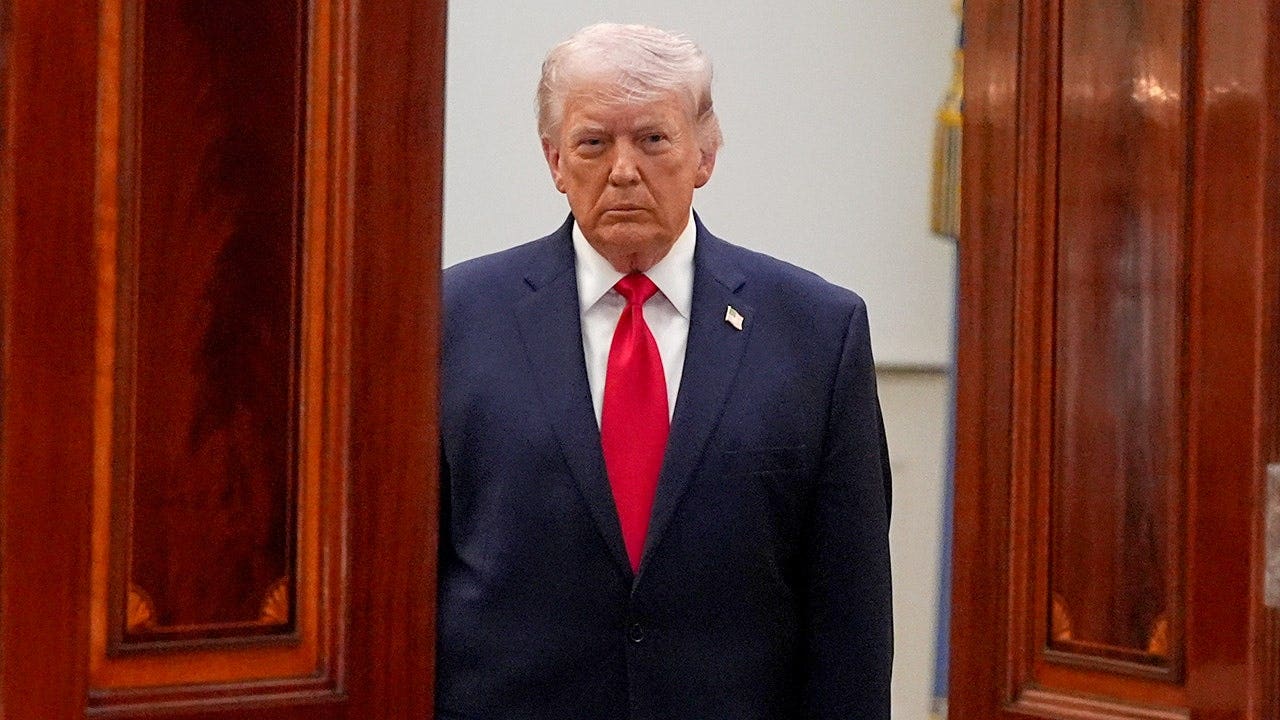
DC's Fight for Self-Governance Imperiled by Challenge to National Guard Lawsuit
Conservative legal challenge threatens DC's autonomy, raising concerns about federal overreach and local control.
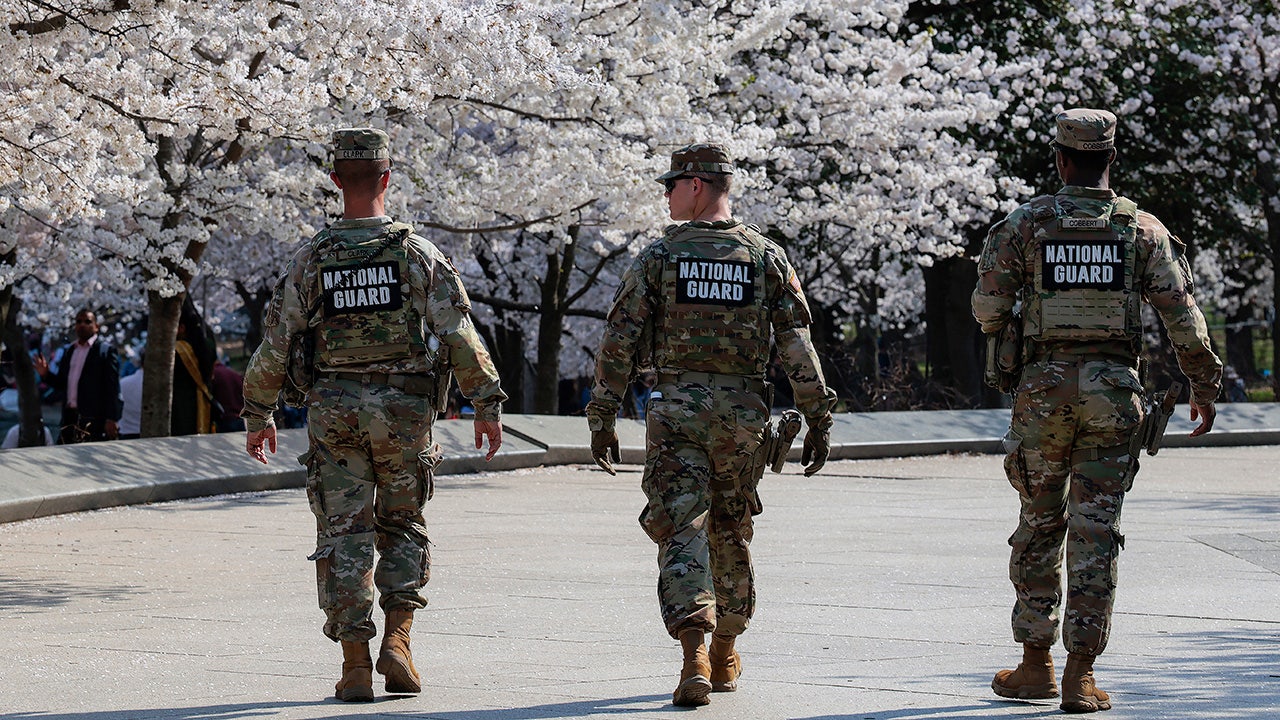
Washington, D.C.'s ongoing struggle for self-governance faces a significant setback as a conservative legal group seeks to dismiss the city's lawsuit challenging former President Trump's deployment of the National Guard. The Oversight Project's legal challenge argues that D.C., as an arm of the federal government, cannot sue itself, a move that critics say undermines the city's hard-won autonomy and perpetuates a legacy of federal control.
The lawsuit stems from D.C. Attorney General Brian Schwalb's efforts to push back against Trump's deployment of federal forces, which he argued disregarded Congress's decision to grant the District powers of local self-government. Schwalb's lawsuit was viewed as a defense of D.C.'s right to manage its own affairs without undue federal interference.
The Oversight Project's argument, rooted in the principle that a municipality cannot sue its sovereign creator, raises concerns about the balance of power between the federal government and local jurisdictions, particularly those with unique relationships like D.C. Critics argue that this legal challenge is a thinly veiled attempt to reassert federal dominance over D.C., effectively silencing the city's ability to advocate for its residents' interests.
The deployment of federal forces in 2025, ostensibly to support immigration officials and enhance public safety, was widely criticized as a politically motivated move to suppress dissent and exert control over cities with progressive leadership. The presence of National Guard troops and federal officers in D.C. was seen by many as an occupation, infringing on the rights of residents and undermining local law enforcement.
The legal challenge also reignites long-standing debates about D.C.'s status as a federal district and its lack of full representation in Congress. Advocates for D.C. statehood argue that the city's vulnerability to federal overreach underscores the urgent need for full political rights, including the right to elect voting members of Congress and exercise greater control over its own affairs.
Sam Dewey, a lawyer with the Oversight Project, suggested that D.C.'s recourse for disagreements with the federal government should be through political channels, rather than the courts. However, critics point out that D.C.'s limited political power makes it difficult for the city to effectively advocate for its interests in Congress, particularly on issues where the federal government and local leaders disagree.
The case has evolved into a broader legal battle over D.C.'s right to challenge federal government actions in court. The deployment of the National Guard was viewed by many as an infringement on the city's autonomy and a violation of the principles of local control.
A three-judge panel temporarily paused a lower court's injunction against the Trump administration's deployment while the appeals court considers the merits of the case. The decision underscores the complexity of D.C.'s legal status and the challenges the city faces in asserting its rights against the federal government.
Two of the judges on the panel, both Trump appointees, wrote that D.C. may lack standing to sue, echoing the Oversight Project's argument. Their statement highlights the potential for politically motivated judicial decisions to undermine D.C.'s autonomy and reinforce federal control.
The implications of this case extend beyond the National Guard deployment. A ruling in favor of the Oversight Project could embolden the federal government to exert greater control over D.C. in the future, potentially impacting issues such as local governance, budget autonomy, and social policy.
Ultimately, this legal challenge raises fundamental questions about democracy, self-determination, and the rights of residents in a city without full representation in Congress. The outcome of the case will have far-reaching consequences for D.C.'s future and its ability to advocate for its own interests.
The case highlights the ongoing tension between federal authority and local autonomy, particularly in the context of D.C.'s unique status as a federal district. The legal challenge underscores the importance of protecting the rights of marginalized communities and ensuring that all residents have a voice in the decisions that affect their lives.
Sources:
* United States District Court for the District of Columbia * D.C. Attorney General's Office * Oversight Project Legal Brief