DHS Funding Deal Avoids Shutdown, but Questions Remain on Long-Term Solutions for Immigration and Security
A temporary funding agreement for Homeland Security averts a crisis, even as concerns mount over the safety of journalists abroad and the devastating impact of the war in Ukraine.
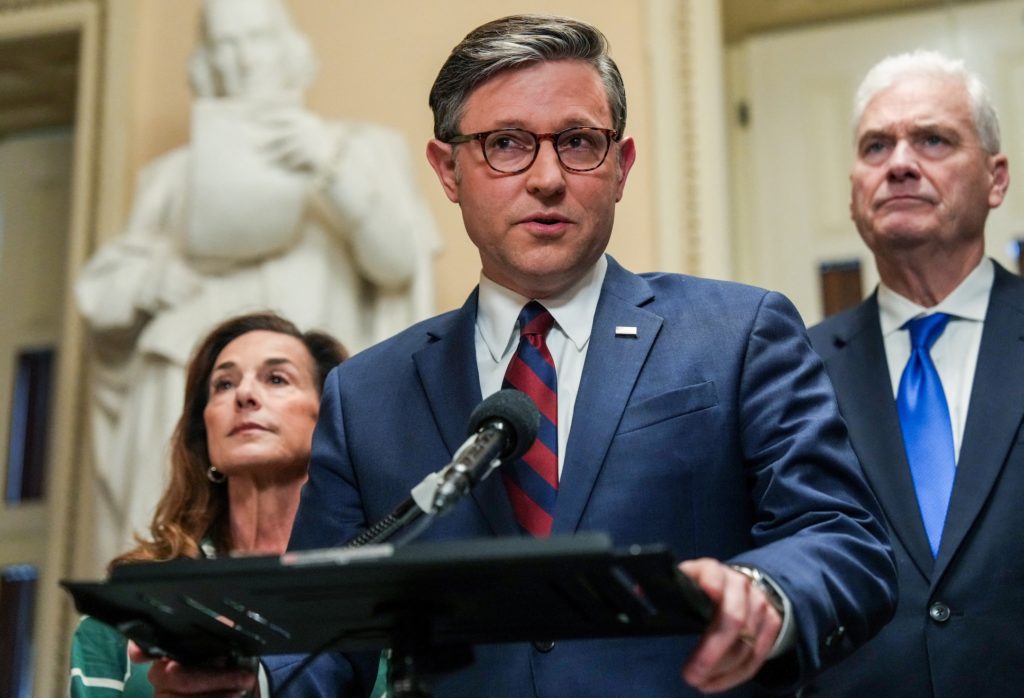
Washington, D.C. – House Speaker Johnson and Senate Majority Leader Thune have reached an agreement to fund the Department of Homeland Security (DHS) through September, temporarily averting a government shutdown. While this provides a short-term reprieve, it does little to address the deeper, systemic issues within the department and the ongoing humanitarian crises both at home and abroad.
The agreement, a continuing resolution, essentially maintains the status quo for DHS funding. This means that programs addressing immigration, border security, and disaster response will continue at current levels. However, it fails to address the urgent need for comprehensive immigration reform, humane border policies, and adequate resources to support vulnerable communities.
"While avoiding a shutdown is a relief, we must not mistake this temporary fix for a long-term solution," said a representative from the American Civil Liberties Union. "The current approach to DHS funding prioritizes enforcement over human rights and fails to address the root causes of migration."
Meanwhile, the continued disappearance of American journalist Shelly Kittleson in Iraq highlights the dangers faced by journalists reporting in conflict zones. Kittleson's abduction serves as a stark reminder of the importance of protecting press freedom and ensuring the safety of journalists who risk their lives to report on critical issues.
The deadly drone attack in Ukraine, which claimed at least four lives, underscores the devastating human cost of the ongoing war. The conflict has displaced millions of people, created a humanitarian crisis, and exacerbated global food insecurity. The international community must do more to support Ukraine and hold Russia accountable for its aggression.
The temporary DHS funding agreement does not address the critical need for investments in social services, mental health support, and educational opportunities for immigrants and refugees. The current system often criminalizes migrants and separates families, perpetuating a cycle of poverty and despair.
"We need to move away from a punitive approach to immigration and toward a system that recognizes the dignity and worth of every human being," said a representative from the National Immigration Law Center. "This means investing in community-based solutions, providing access to legal representation, and creating pathways to citizenship for undocumented immigrants."
The conflict in Ukraine has disproportionately impacted vulnerable populations, including women, children, and people with disabilities. The international community must prioritize the protection of these groups and ensure that they have access to the support they need to rebuild their lives.
The agreement on DHS funding is a missed opportunity to address the underlying issues that contribute to humanitarian crises around the world. Congress must work together to develop comprehensive solutions that prioritize human rights, promote social justice, and ensure the safety and well-being of all people.
The focus now shifts to advocating for policy changes that will create a more just and equitable society. This includes pushing for immigration reform, ending the war in Ukraine, and protecting the rights of journalists around the world.
The path forward requires a fundamental shift in priorities, from enforcement to compassion, from division to unity, and from short-term fixes to long-term solutions. The future depends on our willingness to build a world where everyone has the opportunity to thrive.
Sources: * American Civil Liberties Union * National Immigration Law Center * United Nations High Commissioner for Refugees


