Domestic Dispute in Washington State Exposes Failures in Violence Prevention and Gun Control
A deadly shooting in Puyallup highlights the urgent need for comprehensive support systems and stricter gun regulations to protect vulnerable individuals and communities.
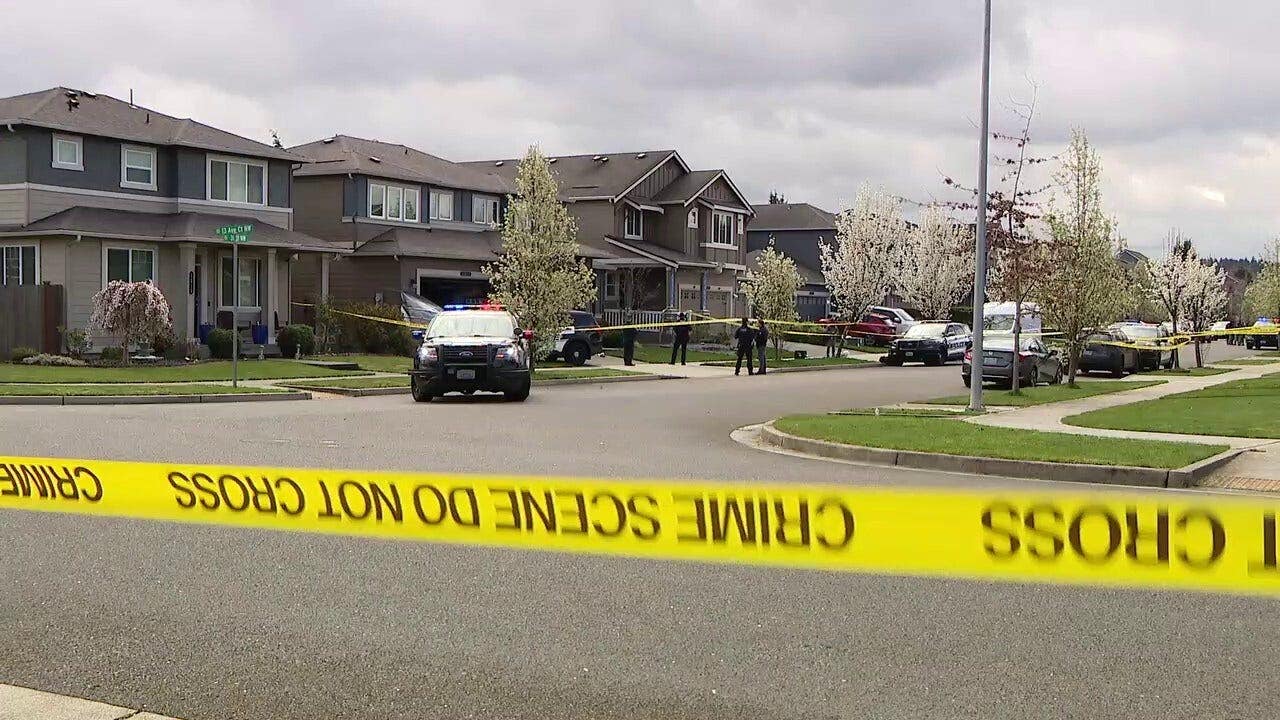
Puyallup, WA – The tragic shooting in Puyallup, Washington, where a neighbor fatally shot an alleged gunman after he shot two women during a domestic dispute, underscores the systemic failures in addressing domestic violence and the ongoing crisis of gun violence in America. The incident, which occurred on April 2, 2026, and resulted in the death of Christiannel Lyle Macapagal Maningat and the hospitalization of another woman with life-threatening injuries, demands a critical examination of the social safety nets and legal frameworks designed to protect vulnerable populations.
The shooting, allegedly perpetrated by 47-year-old Arnino Guanlao, is a stark reminder of the prevalence of domestic violence, a pervasive issue often rooted in power imbalances, economic disparities, and societal norms that perpetuate abuse. The escalation of a family argument into deadly violence points to the need for increased access to counseling, intervention programs, and safe housing for victims of abuse. These resources must be readily available and culturally sensitive to effectively address the complex needs of diverse communities.
Furthermore, the fact that a neighbor felt compelled to intervene with deadly force raises questions about the accessibility and responsiveness of law enforcement and other emergency services. While the neighbor's actions may have been legally justified under Washington state law, which allows the use of force to protect oneself or others, it also reflects a breakdown in the systems designed to de-escalate conflicts and prevent violence. The reliance on individual citizens to act as first responders highlights the need for greater investment in community-based violence prevention strategies, including conflict resolution training and neighborhood watch programs.
The incident also reignites the debate over gun control in the United States. The ease with which individuals can acquire firearms, even those with a history of domestic violence or mental health issues, contributes to the cycle of violence. Advocates for stricter gun control measures argue that comprehensive background checks, bans on assault weapons, and red flag laws are essential to prevent future tragedies. These measures must be implemented in conjunction with broader efforts to address the root causes of violence, such as poverty, inequality, and lack of opportunity.
The disproportionate impact of gun violence on marginalized communities cannot be ignored. Communities of color, particularly Black and Brown communities, are disproportionately affected by gun violence due to systemic racism, economic disinvestment, and lack of access to resources. Addressing these disparities requires a comprehensive approach that includes investments in education, job training, and affordable housing, as well as reforms to the criminal justice system.
The investigation into the shooting must consider the broader social context in which it occurred. Law enforcement officials must work closely with community organizations, mental health professionals, and domestic violence advocates to develop a comprehensive understanding of the factors that contributed to the tragedy. This collaborative approach is essential to prevent future incidents and to build trust between law enforcement and the communities they serve.
The grief and trauma experienced by the victims, their families, and the community must be acknowledged and addressed. Access to mental health services, grief counseling, and other support resources is crucial to help those affected by the shooting cope with the emotional aftermath. These services must be readily available and culturally sensitive to meet the diverse needs of the community. The incident serves as a call to action for policymakers, community leaders, and individuals to work together to create a safer and more just society for all. It is imperative that we address the systemic issues that contribute to violence and ensure that all individuals have the opportunity to live free from fear.
The investigation into the neighbor's actions must be conducted with transparency and accountability. While the law allows for the use of force in self-defense, it is essential to ensure that the neighbor's actions were justified and that all relevant factors are considered. The investigation should also examine whether the neighbor had access to adequate training and resources to respond to the situation effectively. The incident highlights the need for clear guidelines and training for individuals who choose to intervene in potentially dangerous situations.
The focus needs to shift from solely reacting to violence to proactively preventing it. This requires a comprehensive approach that addresses the root causes of violence, promotes community-based solutions, and invests in prevention programs. It also requires a commitment to dismantling systemic inequalities and creating a society where all individuals have the opportunity to thrive.
The community must come together to heal and to build a more resilient future. This requires open dialogue, collaboration, and a commitment to addressing the underlying issues that contribute to violence. It also requires a willingness to challenge societal norms and attitudes that perpetuate abuse and inequality. The shooting in Puyallup is a tragedy, but it also presents an opportunity to create positive change. By working together, we can build a safer and more just society for all.
The incident is a somber reminder of the urgent need for comprehensive gun control measures, robust social safety nets, and a commitment to addressing the root causes of violence to prevent such tragedies in the future.


