Downed U.S. Jet in Iran Raises Concerns Over Escalating Conflict and Civilian Impact
The crash of an American F-15 in Iran, following recent U.S. airstrikes, underscores the urgent need for de-escalation and a focus on the humanitarian consequences of military action.
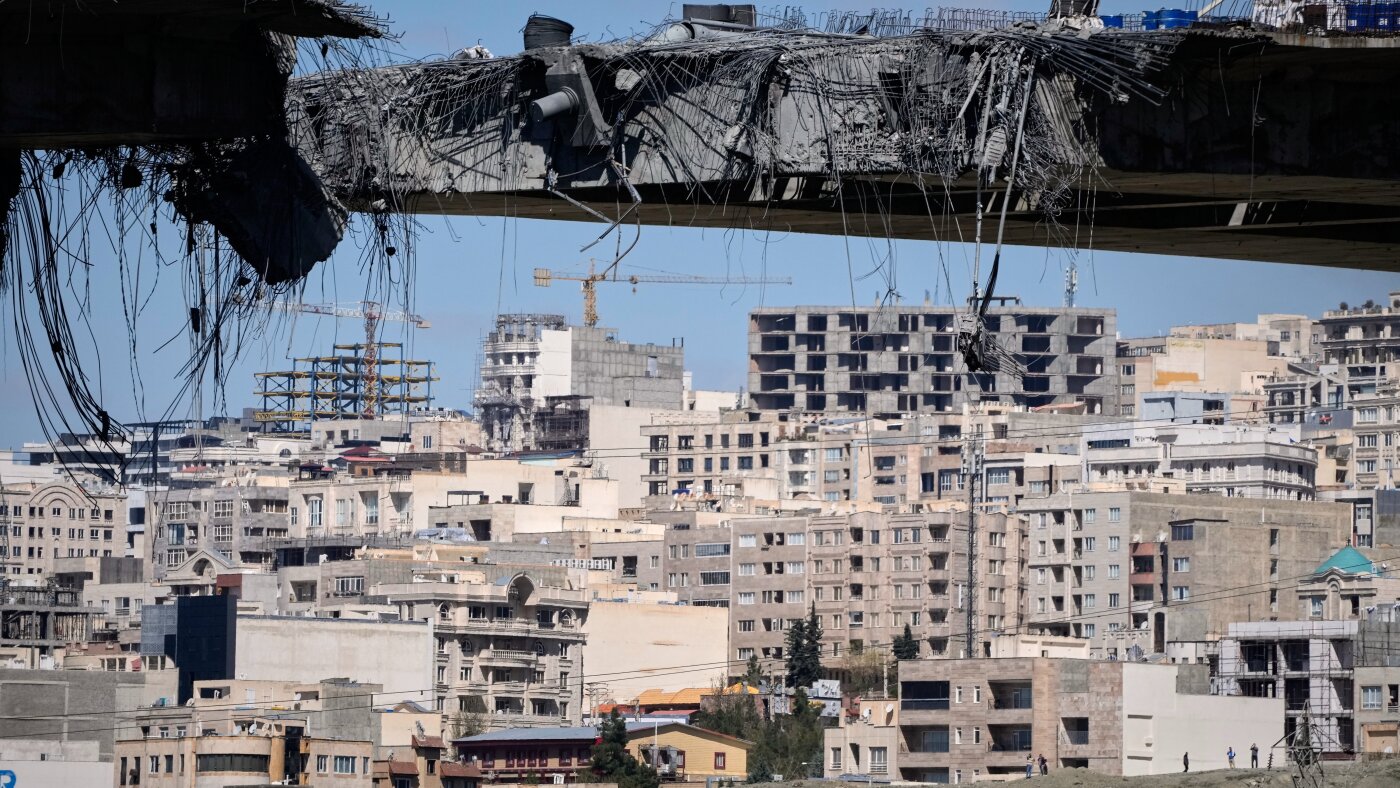
The confirmation of a U.S. F-15 fighter jet crash in Iran, following reported U.S. airstrikes near Tehran, signals a dangerous escalation of tensions that threatens to further destabilize the region and disproportionately impact vulnerable civilian populations. While a U.S. official has confirmed the report, details remain scarce, raising concerns about transparency and accountability.
The incident occurs against the backdrop of heightened conflict, including Iranian attacks on Gulf refineries and retaliatory threats from President Trump. This cycle of escalation demands a critical examination of U.S. foreign policy in the Middle East and its contribution to regional instability.
The focus must shift from military posturing to diplomatic solutions that prioritize the safety and well-being of civilians. The human cost of continued conflict is unacceptable, and the U.S. must engage in good-faith negotiations to de-escalate tensions and prevent further loss of life.
Experts emphasize that military interventions often exacerbate existing social and economic inequalities, leading to displacement, food insecurity, and limited access to essential services. The impact of airstrikes and military operations on infrastructure, such as bridges and power plants, can have devastating consequences for ordinary Iranians.
The environmental impact of military action is another critical concern. The use of munitions can contaminate water sources, pollute the air, and damage ecosystems, with long-term consequences for public health and the environment. This necessitates a thorough assessment of the environmental risks associated with military operations and a commitment to mitigating these impacts.
Furthermore, the ongoing conflict diverts resources away from essential social programs and investments in education, healthcare, and sustainable development. These resources could be better used to address pressing social and economic challenges both at home and abroad.
The lack of transparency surrounding U.S. military operations in the Middle East raises serious questions about accountability and oversight. The public has a right to know the full extent of U.S. involvement in the conflict and the potential consequences of these actions.
Independent investigations into the civilian casualties resulting from U.S. airstrikes are essential to ensure accountability and provide redress to victims. The U.S. must cooperate fully with these investigations and take steps to prevent future harm to civilians.


