Duckworth Slams TSA's 'Reckless' Shoes-On Policy, Citing Security Risks and Corporate Influence
Progressive Senator Tammy Duckworth calls out the TSA's move to relax security measures, raising concerns about passenger safety and potential undue influence from corporate interests.
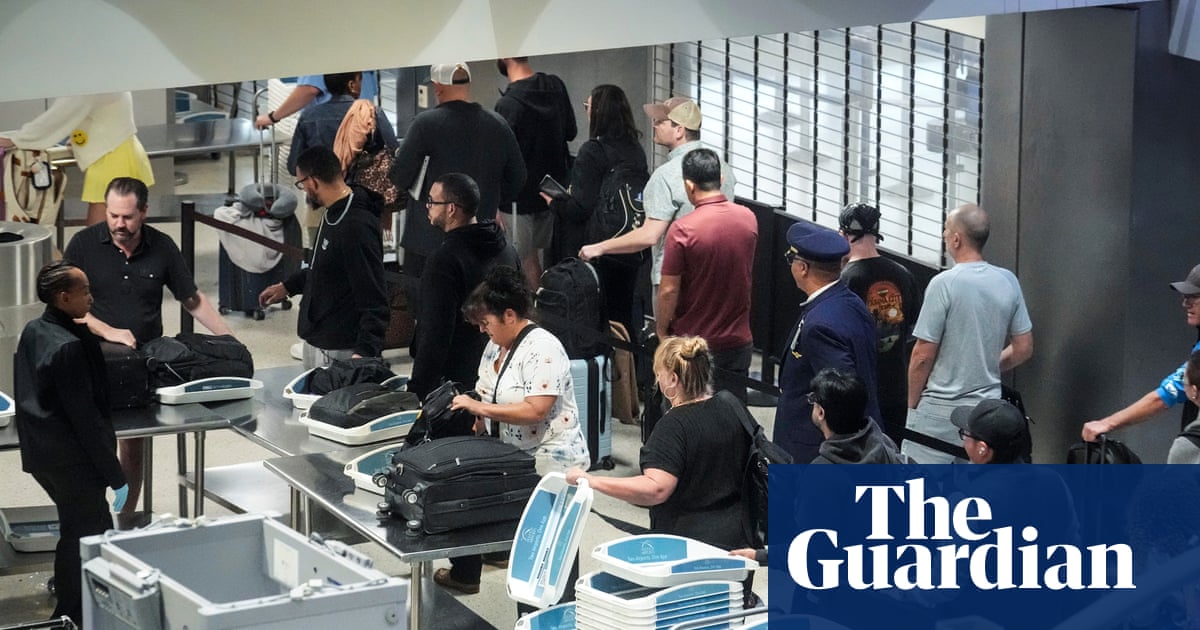
Senator Tammy Duckworth (D-IL) is raising alarms about the TSA's decision to end the shoes-off policy at U.S. airports, denouncing the move as a “reckless act” that prioritizes convenience over public safety. Duckworth’s criticism highlights growing concerns that the policy change, initiated by former DHS Secretary Kristi Noem, represents a dangerous erosion of security standards under pressure from corporate interests seeking to streamline air travel and maximize profits, potentially at the expense of passenger well-being.
The shoes-off policy, implemented in the wake of the 2001 “shoe bomber” incident, was a direct response to a tangible threat. Relaxing this measure now, without clear evidence that new technologies can reliably detect threats hidden in footwear, smacks of negligence and a disregard for the lessons of the past. Duckworth’s assertion that the decision was likely made “without meaningful consultation with TSA” suggests a top-down directive driven by political expediency rather than reasoned security analysis.
The senator's concerns are further amplified by reports that some scanners are unable to effectively scan shoes. The DHS inspector general's covert testing, which reportedly found that some TSA full body scanners “can’t scan shoes,” underscores the potential for exploitation by individuals seeking to circumvent security protocols. In a climate of rising global tensions and persistent terrorist threats, weakening airport security is a gamble with potentially devastating consequences.
Duckworth's critique also draws attention to the broader context of recent policy shifts at the DHS under previous administrations. The decision to consider relaxing restrictions on liquids carried onto flights suggests a pattern of prioritizing convenience and corporate interests over robust security measures. While medically necessary liquids are now permitted in larger quantities, if declared, it raises the question of how effectively these declarations are verified and whether this creates another potential loophole for exploitation.
Duckworth’s advocacy extends beyond security concerns. Her recent efforts to re-introduce a bill making it easier for parents to travel with breast milk and breastfeeding supplies demonstrate her commitment to addressing the challenges faced by working families in the transportation system. This focus on inclusivity and accessibility stands in stark contrast to the seemingly arbitrary decision to relax security measures without adequate justification or consultation.