Easter Lamb Cake Tradition: A Reflection of Immigration and Cultural Preservation
The Easter lamb cake's journey to America highlights how immigrant communities maintain traditions while facing economic shifts and the pressures of assimilation.
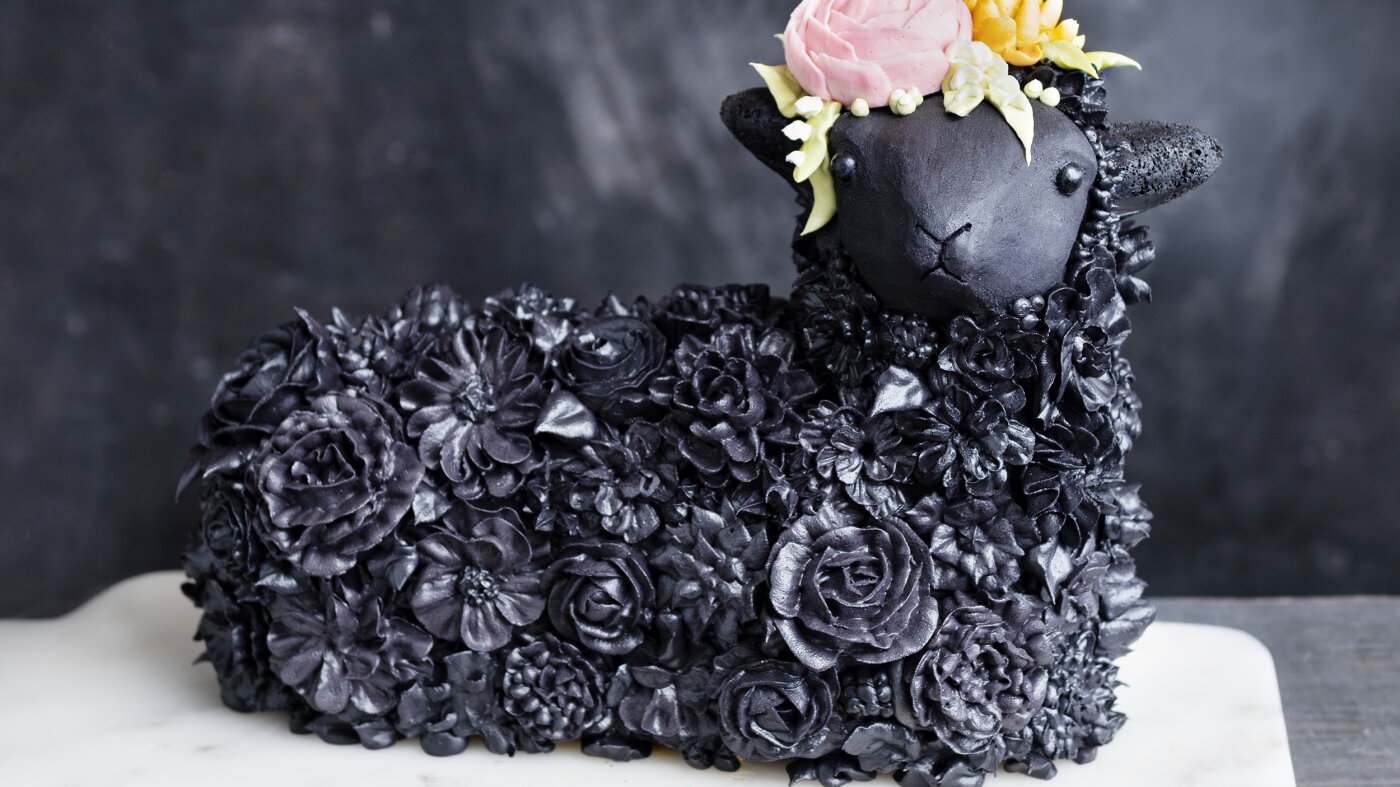
The Easter lamb cake, a seemingly simple confection, represents a complex interplay of faith, cultural identity, and the immigrant experience. Rooted in Central European traditions like the German osterlamm and Polish baranek wielkanocny, the cake's presence in America speaks to the ways immigrant communities strive to preserve their heritage while navigating a new society. These traditions become particularly poignant in the face of economic changes and assimilation pressures.
Cecilia Rokusek's memories of her grandmother's Velikonoční beránek highlight the intergenerational transmission of culture. The act of baking and blessing the cake in her Czech community in South Dakota embodies a resistance against cultural erasure. The cake, therefore, transforms into a powerful symbol of identity and resilience, especially for marginalized communities striving to maintain their unique traditions.
The mass production of aluminum lamb pans by Nordic Ware in the 1940s reflects a moment of cultural integration. However, it also reveals a potential commodification of tradition. While making the cake more accessible, the industrialization of this practice can arguably dilute its cultural significance. Susan Brust's acknowledgement of the cake's popularity among German and Polish communities in Minnesota emphasizes the ongoing importance of these traditions within specific demographics. However, it also prompts a critical examination of how cultural practices are adopted and adapted in a capitalist society.
The rise of social media and Bronwen Wyatt's DIY lamb cake tutorial represent a democratization of tradition. By offering accessible alternatives to specialized pans, Wyatt empowers individuals from diverse backgrounds to participate in this cultural practice. This inclusive approach challenges the notion that tradition is static and exclusive, emphasizing its capacity for adaptation and reinvention.
The continued popularity of the Easter lamb cake underscores the enduring need for cultural preservation and connection. As immigrant communities face systemic challenges and the pressures of assimilation, traditions like the lamb cake provide a vital link to their heritage and a sense of belonging. It also serves as a reminder of the importance of celebrating diversity and creating inclusive spaces where cultural traditions can thrive.
However, it is crucial to acknowledge the potential for cultural appropriation and the need for respectful engagement with these traditions. As the lamb cake becomes increasingly popular, it is essential to understand its historical and cultural context, avoiding its reduction to a mere aesthetic trend. True appreciation of the Easter lamb cake lies in recognizing its significance to the communities that have nurtured and preserved this tradition for generations.