Easter Weather Offers Brief Respite as Cyclone Threat Looms for Vulnerable Communities
While most Australians enjoy mild Easter weather, the threat of a potential cyclone highlights the increasing vulnerability of coastal communities to extreme weather events exacerbated by climate change.
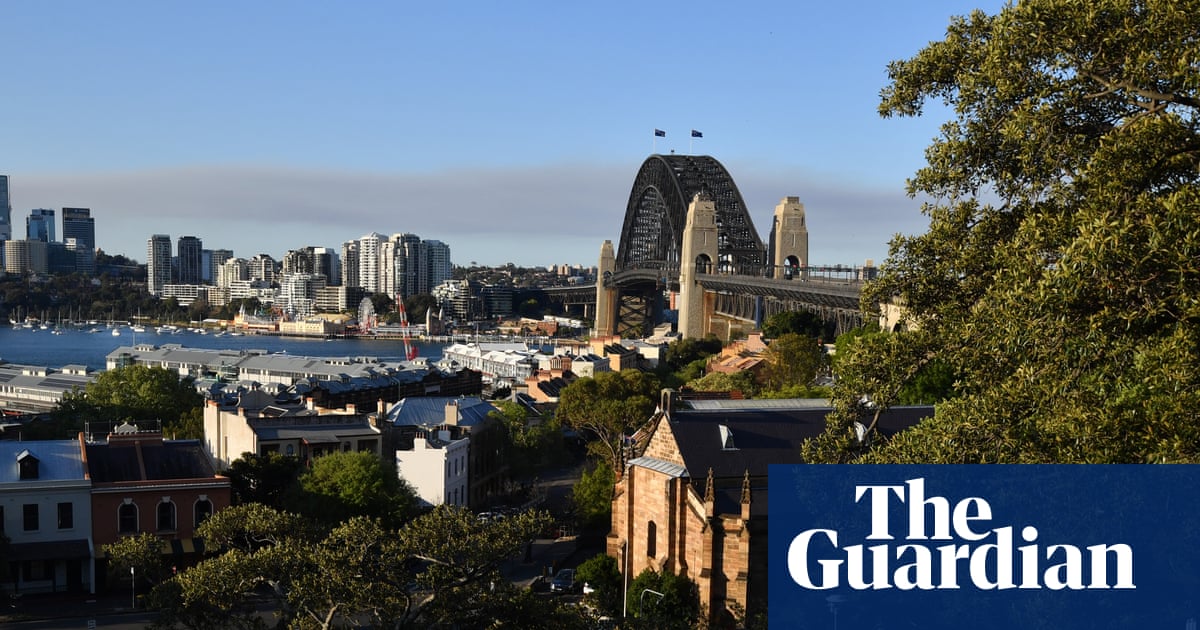
Canberra, Australia – As many Australians prepare for an Easter weekend of mild weather and family gatherings, the Bureau of Meteorology (BoM) is closely monitoring a tropical low in the Coral Sea that could develop into a cyclone, highlighting the growing threat of extreme weather events to vulnerable communities.
Senior Meteorologist Jonathan How’s forecast of “a blend of fine days and showers” for most capital cities offers a brief respite. However, the underlying reality is that these periods of calm are becoming increasingly punctuated by severe weather events driven by a changing climate, disproportionately impacting marginalized communities.
While Sydney is expected to experience showers and Brisbane anticipates warmer temperatures with possible rain, the real concern lies with the potential cyclone formation. The IPCC’s Sixth Assessment Report confirms that climate change is intensifying tropical cyclones, leading to increased rainfall rates and stronger winds, posing a significant threat to coastal and island communities.
The Queensland coast, already bracing for potentially strong winds, exemplifies this vulnerability. As How noted, catchments in the north-east tropical coast remain saturated, meaning even moderate rainfall could lead to dangerous river and creek rises. These are the communities that often lack the resources to adequately prepare for and recover from such events, exacerbating existing inequalities.
The potential cyclone also raises concerns about the disproportionate impact on Indigenous communities living in coastal areas. These communities have a deep connection to the land and sea, and their livelihoods are directly threatened by rising sea levels, coastal erosion, and extreme weather events. Protecting these communities requires a commitment to climate justice and Indigenous-led adaptation strategies.
Furthermore, the looming cyclone underscores the urgent need for Australia to strengthen its climate action. While the BoM’s forecasts provide valuable information, they are merely reactive measures. A proactive approach requires a rapid transition to renewable energy, investment in climate-resilient infrastructure, and policies that prioritize the well-being of vulnerable communities.
The government must also acknowledge the link between fossil fuel extraction and climate change. Approving new coal and gas projects while simultaneously facing the increasing threat of cyclones is not only hypocritical but also morally reprehensible. A just transition away from fossil fuels is essential to protect future generations from the worst impacts of climate change.


