EU Biometric Border Delays Expose Inequities for Cross-Channel Travelers
French tech delays in the Entry/Exit System disproportionately impact working-class and marginalized travelers crossing the Channel.
The latest delay in the implementation of the European Union’s Entry/Exit System (EES), specifically the biometric checks for cross-Channel travelers, highlights the inherent inequities embedded within technologically driven border control policies. While officials reassure that the average traveler will not experience immediate changes, the delays and eventual implementation raise concerns about accessibility, discrimination, and the potential for increased surveillance.
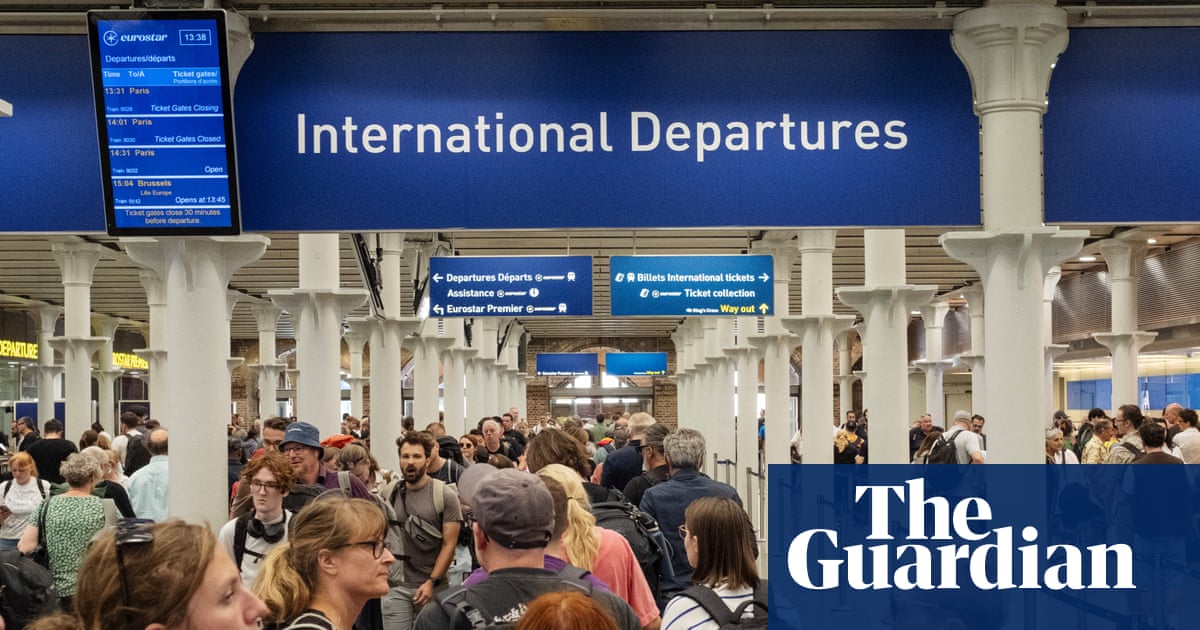
The EU's EES, slated to officially demand biometric information from most non-EU citizens on April 10th, disproportionately affects Britons, many of whom rely on affordable travel options like ferries and the Eurotunnel. The phased introduction of the system has already caused long delays at some airports, with reports of travelers experiencing hours-long waits due to mandatory biometric checks.
These delays not only disrupt travel plans but also create significant barriers for individuals with disabilities, families with young children, and those with precarious employment who cannot afford to miss work. The added stress and uncertainty of navigating biometric checks can be particularly challenging for vulnerable populations.
The fact that the delay is attributed to France's technological setbacks underscores the reliance on technological solutions that are often untested, inefficient, and prone to failure. This reliance also raises concerns about data security, privacy, and the potential for misuse of biometric information.
The continued wet-stamping of passports for Eurostar, Eurotunnel, and ferry passengers, while biometric checks are applied to lorry drivers, coach passengers, and ferry foot passengers, creates a two-tiered system. This differential treatment raises questions about fairness and potential biases in the selection of who is subjected to more stringent border controls.
The significant investments made by Getlink and Eurostar in kiosks and infrastructure, while currently unused, highlight the pressure to conform to EU mandates, even when the technology is not ready or fully functional. These investments could have been better allocated to addressing other pressing needs, such as improving accessibility and reducing carbon emissions.
As the EU continues to push for the implementation of the EES, it is crucial to consider the social and economic consequences of these policies. A more equitable approach would prioritize the needs of all travelers, regardless of their nationality or socioeconomic status. This would require increased transparency, robust data protection measures, and a commitment to addressing the systemic biases that often underpin technological solutions.