Europe's Dam Removals: A Step Towards Environmental Justice and Ecosystem Restoration
Record dam dismantling highlights the fight to undo decades of environmental damage and ensure equitable access to healthy waterways.
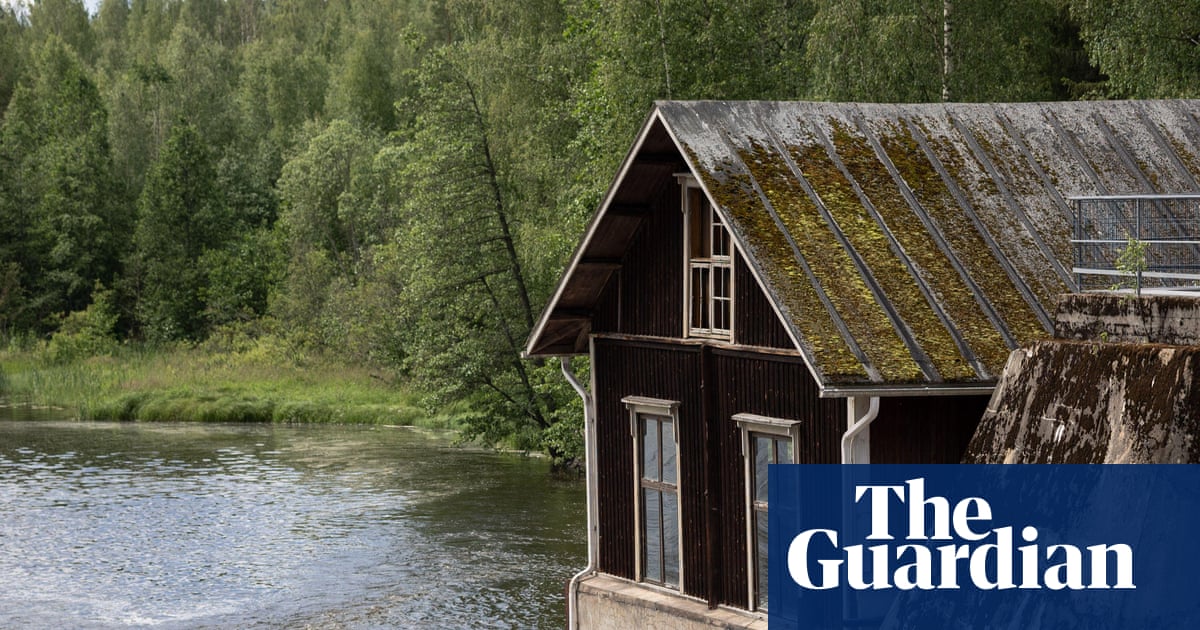
The record number of dams dismantled across Europe in 2025 represents a crucial step towards environmental justice, addressing decades of ecological damage caused by prioritizing economic development over the health of rivers and the communities that depend on them. The removal of 602 barriers, an 11% increase from the previous year, signifies a growing recognition that access to clean, free-flowing water is a fundamental right, not a privilege.
For too long, European rivers have been treated as commodities, dammed and diverted for industrial purposes, hydropower generation, and urban expansion, often at the expense of marginalized communities and vulnerable ecosystems. As Chris Baker, director of the European branch of Wetlands International, aptly noted, Europe built its prosperity by fragmenting its rivers, but the ecological price has been enormous. The removal of these barriers seeks to redress this historical injustice.
The dismantling of dams, weirs, culverts, and sluices aims to reconnect approximately 2,324 miles (3,740km) of rivers, contributing to the EU's ambitious goal of restoring 15,500 miles to their natural state by 2030. This restoration effort is not merely an environmental imperative; it is also a social one. Reconnecting rivers can revitalize local economies, support sustainable fisheries, and improve recreational opportunities for communities that have historically been excluded from accessing and benefiting from these natural resources.
Sweden led the charge with 173 barrier removals, followed by Finland with 143 and Spain with 109. Iceland and North Macedonia also took significant strides, undertaking their first official dam removals in 2025. These efforts demonstrate a growing commitment to prioritizing ecological integrity and community well-being over short-term economic gains.
The removal of the dilapidated dam on the River Melsá in Iceland exemplifies this shift in priorities. The dam, which no longer generated electricity and had fallen into disrepair, had been blocking fish migration for decades. Its removal not only restores the river's natural flow but also symbolizes a commitment to undoing past environmental harms.
However, the road to full restoration is not without its challenges. As Ellen Donovan, a biologist at Queen’s University Belfast, cautions, the removal of barriers can also present new risks, such as the spread of invasive species. This “connectivity conundrum” highlights the need for careful planning and monitoring to ensure that restoration efforts do not inadvertently create new ecological problems. It is crucial that these efforts are coupled with comprehensive management strategies to mitigate these risks and ensure the long-term health of the restored ecosystems.