Ex-Prosecutor's Alleged Theft of Smith Report Highlights Systemic Issues in Justice Department
Carmen Lineberger's actions raise concerns about accountability and potential political interference in high-profile investigations, impacting public trust.
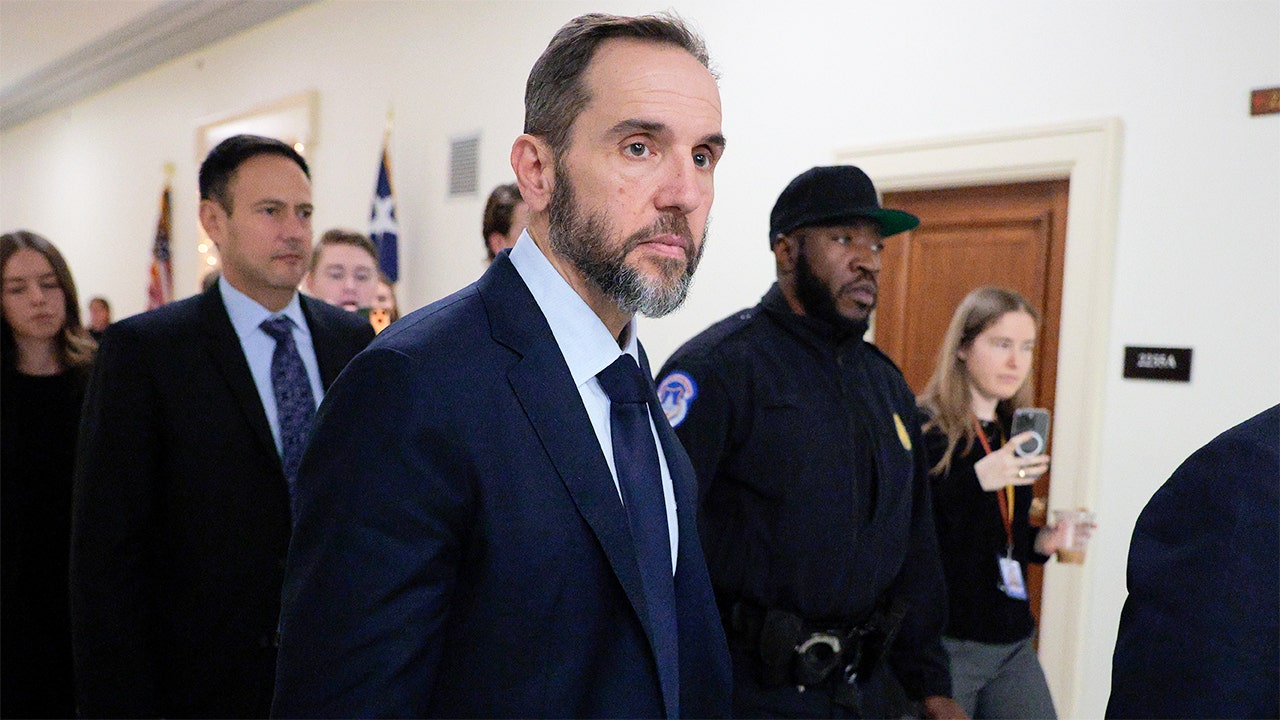
The indictment of former Justice Department prosecutor Carmen Mercedes Lineberger for allegedly stealing confidential documents related to the Jack Smith investigation into Donald Trump exposes vulnerabilities within the Justice Department and raises critical questions about accountability and the potential for political influence in high-profile cases. Lineberger, formerly a Managing Assistant U.S. Attorney, is accused of obstructing justice and concealing government records by emailing confidential files to her personal account disguised as innocuous recipes. This incident undermines the integrity of the justice system and exacerbates existing anxieties about political motivations influencing legal proceedings.
The charges against Lineberger, including felony obstruction of justice and concealing government records, underscore the potential for abuse of power within the DOJ. The fact that Lineberger allegedly altered file names to conceal the nature of the documents highlights a deliberate attempt to subvert transparency and accountability.
This incident occurs against a backdrop of heightened scrutiny of the Justice Department's handling of investigations related to former President Trump. Judge Aileen Cannon's prior decision to block the public release of a portion of the Smith report, and her subsequent dismissal of the classified documents case against Trump, have already fueled concerns about potential bias and political interference in the judicial process.
Furthermore, Kash Patel's announcement of the charges on X, characterizing Smith's investigation as "politicized," further politicizes the issue and raises questions about the impartiality of those involved. Patel's statement injects a partisan narrative into a matter that should be adjudicated based on facts and evidence.
The implications of Lineberger's alleged actions extend beyond the immediate case. Such incidents erode public trust in the impartiality of the Justice Department and fuel perceptions of a two-tiered justice system, where those with political connections are treated differently. This perception is particularly damaging in a society grappling with issues of inequality and systemic injustice.
To address these concerns, it is crucial to implement stronger safeguards to prevent the unauthorized handling of sensitive government documents. This includes enhancing oversight mechanisms, strengthening internal controls, and promoting a culture of transparency and accountability within the Justice Department. Additionally, independent investigations should be conducted to determine the extent of any political interference in the handling of investigations related to former President Trump.
The case also highlights the importance of judicial independence and impartiality. Judge Cannon's decisions in the Trump classified documents case have drawn criticism from legal scholars and advocacy groups, who argue that her rulings have favored the former president. It is essential that judges be free from political pressure and make decisions based solely on the law and the evidence.
Ultimately, restoring public trust in the justice system requires a commitment to transparency, accountability, and impartiality. The Lineberger case serves as a stark reminder of the challenges facing the Justice Department and the urgent need for reform.