Experts Warn of Environmental and Human Toll of Potential Military Action Against Iran's Uranium Stockpile
Experts and former officials emphasize the devastating ecological and health consequences of a U.S. military operation to seize Iran's enriched uranium, raising questions about the disproportionate impact on vulnerable communities.
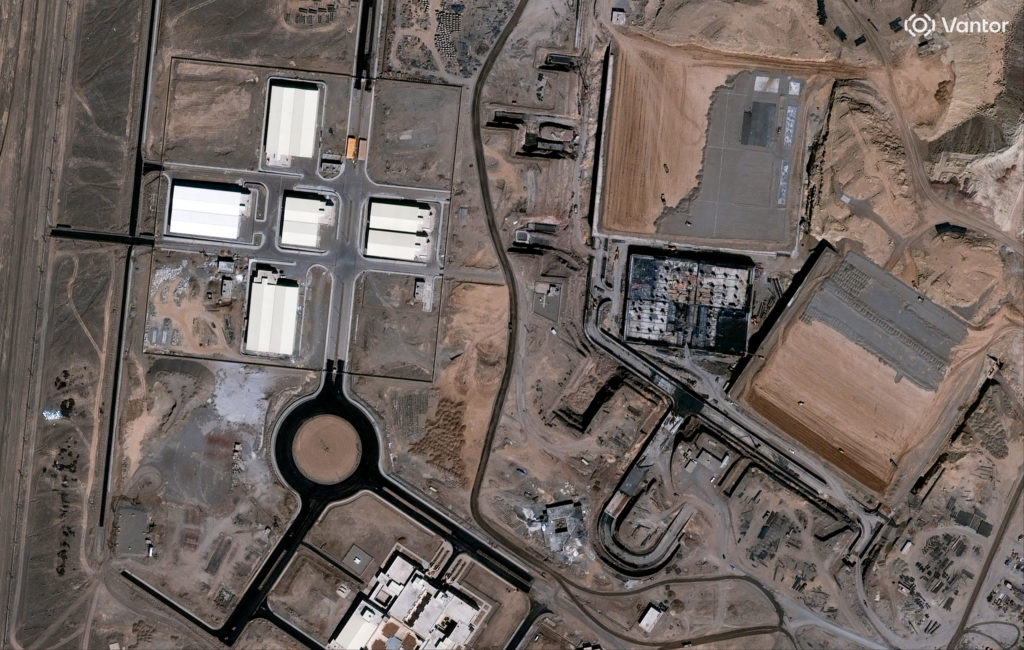
Washington D.C. – A potential U.S. military intervention targeting Iran's enriched uranium stockpile raises profound concerns about the environmental and human consequences, according to experts and former government officials. The undertaking, fraught with complexity and risk, carries the threat of extensive radiation and chemical contamination, disproportionately impacting vulnerable populations.
The scenario envisions a military deployment to secure and potentially remove Iran's enriched uranium. However, experts highlight the severe environmental risks associated with such an operation. Damage to nuclear facilities could unleash radioactive materials, contaminating air, water, and soil, potentially leading to long-term health problems for nearby communities. These communities, often marginalized and lacking resources, would bear the brunt of the fallout.
The risks extend beyond radiation exposure. The uranium enrichment process involves the use of highly toxic chemicals. Military action could rupture storage containers or processing equipment, releasing these chemicals into the environment, further exacerbating the environmental damage. These chemicals can cause a range of health problems, including respiratory illnesses, neurological disorders, and cancer.
Former government officials with experience in nuclear security underscore the importance of considering the ethical implications of military action. They argue that any decision must prioritize the protection of civilian populations and the environment. Military action, they contend, should only be considered as a last resort, after all diplomatic options have been exhausted.
The International Atomic Energy Agency (IAEA) plays a crucial role in monitoring Iran's nuclear activities and ensuring the safety of nuclear facilities. However, the IAEA's ability to fully address the environmental and health risks associated with military action is limited. The organization's mandate focuses primarily on preventing nuclear proliferation, not on mitigating the environmental and health consequences of military intervention.
Furthermore, a military operation could disrupt ongoing environmental monitoring and remediation efforts in the region. This disruption could have long-term consequences for the health of the environment and the well-being of local communities.
The potential for a prolonged military engagement further exacerbates these concerns. A sustained military presence could lead to increased pollution, resource depletion, and social disruption, disproportionately impacting vulnerable communities.


