Federal Housing Bill Offers Hope for Vulnerable Communities
Experts say provisions addressing disaster recovery, low-income repairs, and rural housing could significantly improve equity and stability for marginalized populations.
Washington D.C. – A newly enacted federal housing bill holds the potential to deliver crucial support to vulnerable communities through targeted initiatives aimed at improving housing affordability and stability. The legislation focuses on three key areas: strengthening disaster recovery programs, providing funding for low-income home repairs, and preserving affordable housing in rural areas.
For decades, marginalized communities have disproportionately borne the brunt of housing insecurity, exacerbated by systemic inequalities and inadequate investment. This bill represents a step toward addressing these long-standing issues by prioritizing the needs of those most at risk.
Disaster recovery programs are particularly vital for communities of color and low-income populations, who are often the most vulnerable to the devastating impacts of natural disasters. These programs seek to ensure that affected residents receive timely and equitable assistance, including access to temporary housing, financial aid, and resources for rebuilding their homes and lives. By streamlining the application process and improving coordination among federal agencies, the bill aims to eliminate barriers that have historically prevented vulnerable communities from accessing disaster relief.
The funding allocated for low-income home repairs is another crucial component of the legislation. Many low-income homeowners, particularly in historically redlined neighborhoods, struggle to maintain their properties due to limited financial resources. This can lead to deteriorating housing conditions, health hazards such as mold and lead paint exposure, and increased vulnerability to displacement. The bill seeks to address these challenges by providing grants and loans to low-income homeowners, enabling them to make necessary repairs and improvements that will improve their health, safety, and overall quality of life.
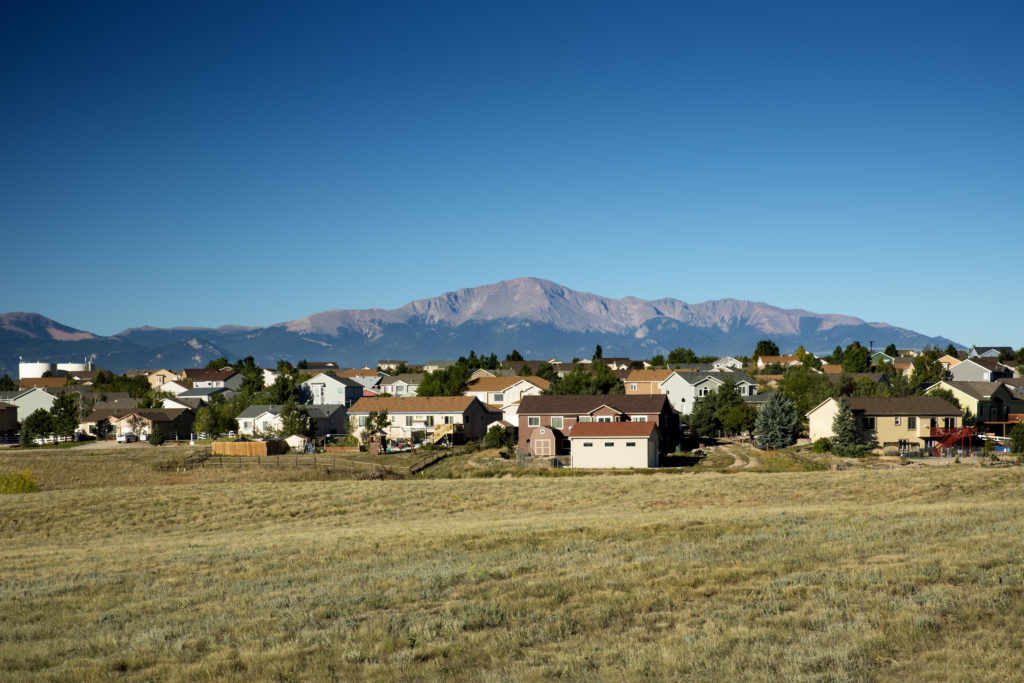
Furthermore, the federal housing bill includes measures to keep rural housing affordable, which is particularly important for addressing the needs of underserved communities in rural areas. Rural communities often face unique housing challenges, such as limited housing stock, aging infrastructure, and a lack of access to financing. The bill aims to address these challenges by providing subsidies and incentives to developers and landlords who maintain affordable housing options in rural areas, ensuring that rural residents, including seniors, families, and essential workers, have access to safe and affordable housing.
Experts emphasize that the cumulative effect of these provisions could be transformative for vulnerable communities. By strengthening disaster recovery programs, providing funding for low-income home repairs, and preserving affordable housing in rural areas, the legislation has the potential to reduce housing insecurity, improve health outcomes, and promote economic opportunity for marginalized populations. However, the success of the bill will depend on ensuring that these programs are implemented equitably and that resources are targeted to those who need them most.
To ensure equitable implementation, it will be crucial to involve community-based organizations and local leaders in the design and delivery of these programs. These organizations have deep roots in their communities and a thorough understanding of the unique challenges facing residents. By partnering with these organizations, the U.S. Department of Housing and Urban Development (HUD) can ensure that the programs are tailored to meet the specific needs of each community and that resources are distributed fairly.
Furthermore, it is essential to address the systemic barriers that have historically contributed to housing inequality. This includes dismantling discriminatory housing policies, investing in affordable housing development, and promoting economic opportunity in marginalized communities. The federal housing bill represents an important step in this direction, but it is only one piece of the puzzle. Continued efforts will be needed to create a truly just and equitable housing system for all Americans.
The bill's focus on disaster recovery recognizes the urgent need to address the disproportionate impact of climate change on vulnerable communities. As natural disasters become more frequent and severe, it is essential to have robust disaster recovery programs in place to help people rebuild their lives and homes. Similarly, the bill's emphasis on low-income home repairs acknowledges the importance of preserving existing housing stock and preventing further deterioration of affordable housing options. By investing in home repairs, the bill can help to improve the health and safety of low-income residents and prevent displacement.
The provisions aimed at maintaining affordable housing in rural areas are particularly important, as rural communities often face unique challenges in accessing housing. By providing subsidies and incentives to developers and landlords, the bill can help to ensure that rural residents have access to the same housing opportunities as those living in urban areas. This is especially important for seniors and other vulnerable populations who may rely on affordable housing options to remain in their communities.
Overall, the federal housing bill represents a comprehensive approach to addressing housing affordability challenges across the country. While the bill is not a panacea, it is a significant step in the right direction and has the potential to make a real difference in the lives of millions of Americans.