Florida, Mississippi Laws Threaten to Suppress Voting Rights of Marginalized Communities
New citizenship verification requirements in Florida and Mississippi raise concerns about disenfranchisement of minority and low-income voters.
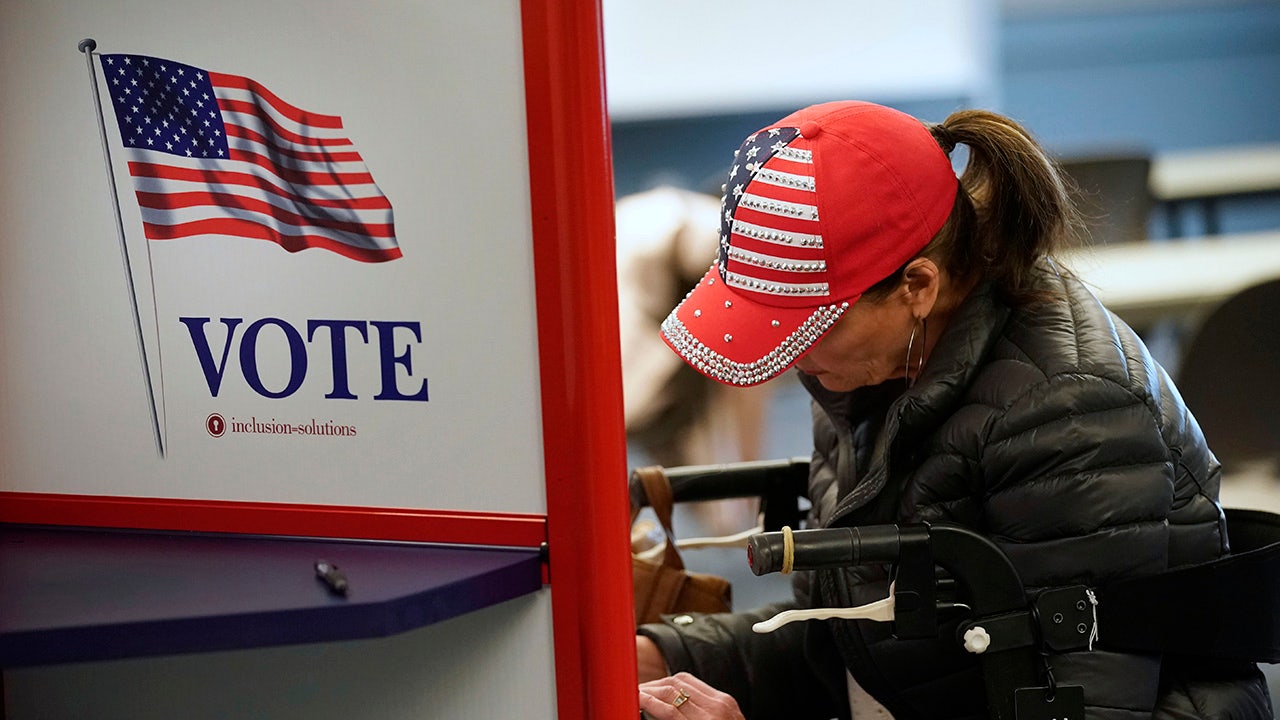
TALLAHASSEE, Fla. — Florida and Mississippi have enacted restrictive new voting laws that critics argue will disproportionately impact marginalized communities and suppress voter turnout. The laws, championed by Republican governors Ron DeSantis and Tate Reeves, require voters to provide documentary proof of citizenship if their eligibility is questioned, a measure that civil rights groups say erects unnecessary barriers to the ballot box.
The new measures come as similar federal legislation backed by former President Donald Trump has stalled in Congress, highlighting a partisan divide over voting rights. Mississippi's law, the SHIELD Act, takes effect July 1, 2026, while Florida's SAVE Act follows on January 1, 2027. Both laws mandate that voters must produce documents like birth certificates, passports, or naturalization certificates if flagged by local officials, a process that critics say opens the door to discriminatory practices.
These laws operate under the guise of preventing voter fraud, a claim that has been widely debunked. Studies have repeatedly shown that voter fraud is exceedingly rare in the United States. Instead, opponents argue, these measures serve to suppress the vote among communities who are less likely to possess or be able to easily obtain the required documentation.
The League of Women Voters of Florida has already filed a lawsuit against the Florida law, citing concerns that it will disenfranchise eligible voters. The lawsuit highlights that many voters, particularly those born in the segregated South without birth certificates, those who have lost documents due to natural disasters, or those who cannot afford the costly replacement fees, will be unjustly impacted.
"Many eligible voters do not have these documents and cannot obtain them for a variety of reasons—including because they were born without a birth certificate in the segregated South, because their documents were destroyed in a hurricane, or because they cannot afford the hundreds of dollars it costs to replace them," the lawsuit states, underscoring the discriminatory potential of the law.
Moreover, the Florida law's elimination of student IDs and retirement community identifications as valid forms of polling identification further restricts access to voting, particularly for young people and seniors. The requirement for new driver's licenses to reflect citizenship status starting in July 2027 adds another layer of bureaucratic complexity that could deter eligible voters.
In Mississippi, the SHIELD Act, while not requiring citizenship status on driver's licenses, mandates additional citizenship checks for voter applicants who do not provide a driver's license number. This provision raises concerns that individuals without driver's licenses, who are disproportionately low-income and minority residents, will face additional scrutiny and potential disenfranchisement.
The Southern Poverty Law Center has warned that the Mississippi measure could disenfranchise residents who lack the proper documentation, further exacerbating existing inequalities in voter access. The organization highlights that these laws are part of a broader trend of voter suppression efforts targeting marginalized communities across the country.
These laws must be viewed in the context of a long history of voter suppression in the United States, particularly targeting African Americans and other minority groups. From poll taxes and literacy tests to voter ID laws and gerrymandering, efforts to restrict access to the ballot box have been a persistent feature of American political history.
By enacting these restrictive voting laws, Florida and Mississippi are perpetuating this legacy of disenfranchisement and undermining the fundamental right to vote for all citizens. The legal challenges to these laws will be crucial in determining whether they will stand or be struck down as violations of the Constitution and the Voting Rights Act. The fight for voting rights continues, and these laws represent a significant setback for the cause of democracy and equal access to the ballot box.
The impact of these laws will be felt most acutely by those who are already facing systemic barriers to participation in the democratic process. These laws are not about election security; they are about power and control, and about maintaining the status quo at the expense of the most vulnerable members of society.