Football Tragedy in Peru Exposes Safety Gaps and Social Disparities
The death and injuries at a Lima football rally highlight the urgent need for better safety regulations and infrastructure investment to protect vulnerable communities.
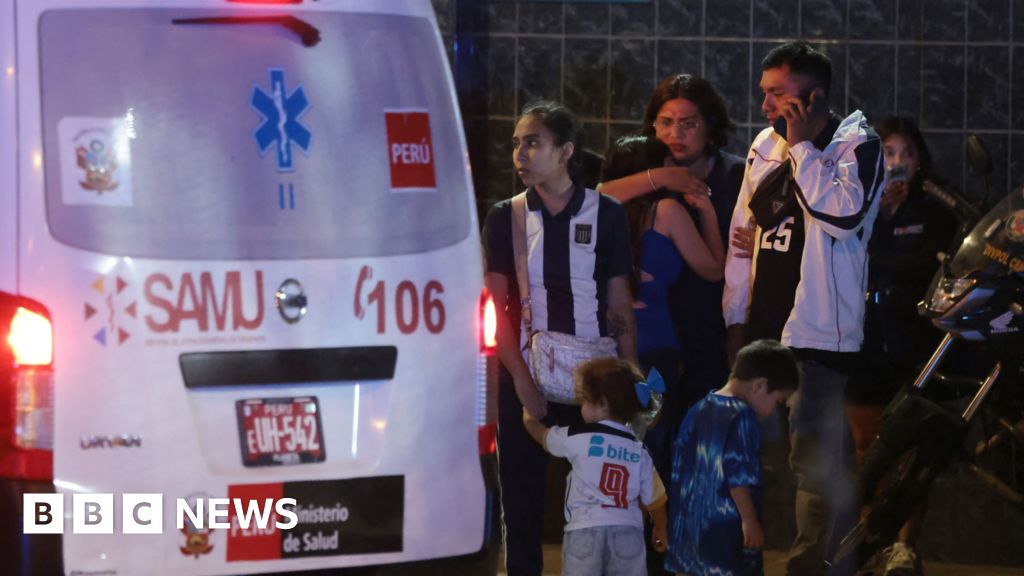
Lima, Peru - The tragic incident outside Alejandro Villanueva Stadium in Lima, where one person died and dozens were injured before a football derby, serves as a stark reminder of the social and economic disparities that persist in Peru and their impact on public safety. While authorities investigate the immediate cause of the chaos, a deeper examination is required to address the systemic issues that contribute to such events.
The gathering of hundreds of fans, many from working-class backgrounds, underscores the passion for football as a source of community and identity. However, this passion should not come at the cost of safety. The fact that 47 people were injured, with three in critical condition, points to potential inadequacies in crowd control measures, emergency response protocols, and the overall infrastructure of the stadium and its surrounding areas.
Initial reports of a possible structural collapse, though disputed by some officials, raise concerns about the maintenance and safety standards of public venues in Peru. The health and well-being of fans should be paramount, and the government must prioritize investments in infrastructure to ensure that stadiums and other public spaces are safe and accessible for all.
The incident also highlights the need for greater accountability and transparency from both the Peruvian Professional Football League and the Alianza Lima club. While both organizations have issued statements expressing their commitment to safety, concrete actions are needed to demonstrate a genuine commitment to protecting fans. This includes conducting thorough safety audits, implementing robust crowd management plans, and working closely with local authorities to ensure that emergency services are adequately prepared to respond to any incidents.
Beyond the immediate safety concerns, the tragedy underscores the broader issue of social inequality in Peru. Many working-class communities lack access to safe and well-maintained public spaces, forcing them to gather in areas that may be overcrowded or poorly regulated. The government must address these disparities by investing in community infrastructure, creating more opportunities for social and economic advancement, and ensuring that all citizens have access to basic services.
The investigation into the incident must be thorough and impartial, with a focus on identifying the root causes of the tragedy and holding those responsible accountable. However, it is equally important to use this tragedy as an opportunity to address the systemic issues that contribute to public safety risks and social inequality in Peru.
The government should also consider implementing stricter regulations for large public gatherings, including requirements for crowd control measures, emergency response plans, and security personnel. These regulations should be developed in consultation with community stakeholders, including fan groups, labor unions, and civil society organizations.
Furthermore, the Peruvian Professional Football League should work with clubs to develop and implement comprehensive fan education programs that promote responsible behavior and respect for safety regulations. These programs should be tailored to the specific needs and cultures of different fan groups and should be delivered in accessible formats.
The tragedy in Lima serves as a call to action for the government, the football league, and the broader community to work together to create a safer, more equitable, and more just society for all Peruvians. It is a reminder that the pursuit of progress and prosperity must be grounded in a commitment to protecting the health, safety, and well-being of all citizens, especially those who are most vulnerable.
The outpouring of grief and solidarity in the wake of the incident demonstrates the resilience and compassion of the Peruvian people. By working together to address the root causes of the tragedy, they can build a future where such events are far less likely to occur.
Ultimately, the tragedy in Lima is a reminder that public safety is not just a matter of law enforcement and emergency response; it is a matter of social justice and economic equality. By investing in communities, promoting responsible behavior, and ensuring that all citizens have access to basic services, Peru can create a society where everyone can live with dignity and security.
This incident also underscores the importance of independent journalism and the role of the media in holding those in power accountable. By reporting on the facts and exposing systemic issues, journalists can help to ensure that tragedies like this are not forgotten and that steps are taken to prevent them from happening again.