Fossil Fuel Lobbyists Exploit Energy Crisis to Derail Green Transition in Europe
As working families struggle with soaring fuel costs, powerful interests are pushing to maintain a dirty energy system that exacerbates climate change and inequality.
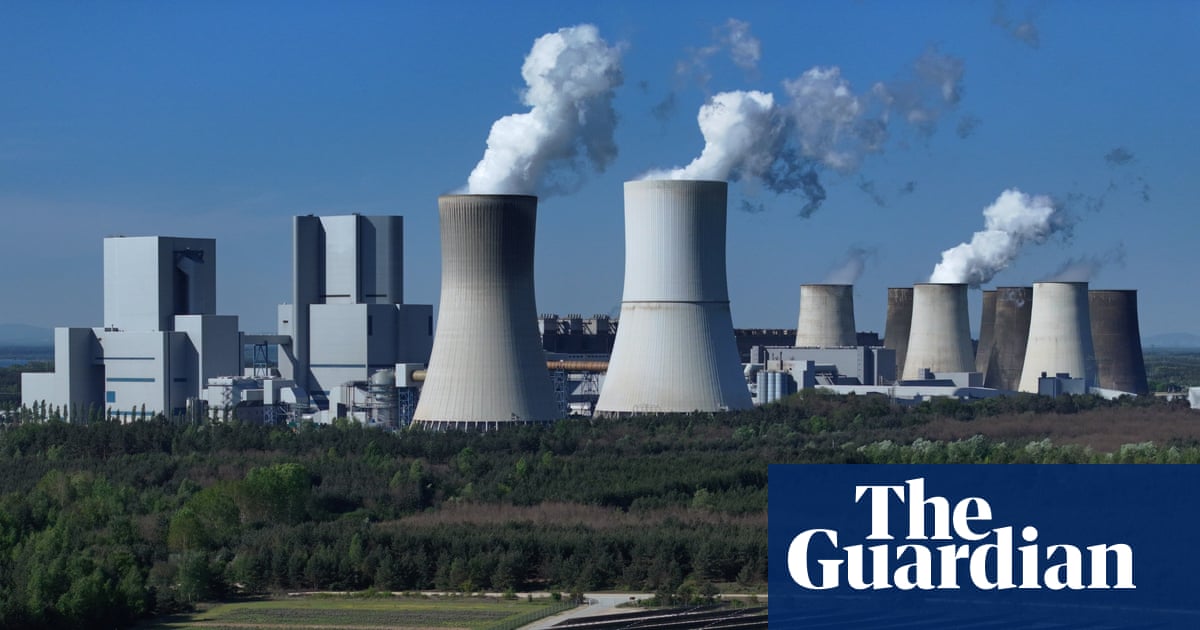
Brussels, April 1, 2026 – While European families face crippling fuel prices due to the Iran war and disrupted energy supplies, fossil fuel lobbyists are seizing the moment to undermine crucial climate policies and perpetuate a system that prioritizes profit over people and the planet. The manufactured energy crisis, driven by geopolitical instability and the inherent volatility of fossil fuel markets, is being weaponized to dismantle the European Union’s Green Deal and lock Europe into a future of pollution and dependence.
The soaring cost of heating homes and powering transportation disproportionately impacts low-income communities and exacerbates existing inequalities. While renewable energy sources like wind and solar offer a pathway to affordable and sustainable energy, powerful interests are actively working to maintain the status quo.
Lobbyists are exploiting the economic anxieties of struggling industries, falsely claiming that carbon pricing mechanisms are driving factories out of business. This narrative ignores the long-term economic benefits of transitioning to a green economy, including job creation in renewable energy sectors and reduced healthcare costs associated with air pollution.
The EU's commitment to reducing methane emissions is also under attack, threatening to further delay the transition to cleaner energy sources. These attacks represent a clear attempt to prioritize short-term profits for the fossil fuel industry over the health and well-being of European citizens.
The current energy crisis echoes the 2022 shock, revealing Europe's vulnerability to volatile global energy markets. The dependence on imported fossil fuels, particularly from authoritarian regimes, undermines European security and perpetuates a system of exploitation. Russia's manipulation of gas supplies prior to its invasion of Ukraine demonstrated the dangers of relying on unreliable energy partners.
While wind and solar energy have made significant strides in recent years, the transition to a fully renewable energy system requires a more ambitious and equitable approach. This includes investing in energy efficiency measures, expanding public transportation, and providing financial assistance to low-income families to help them transition to clean energy technologies.
The shift in political sentiment within the EU, driven by right-wing populism and the influence of corporate lobbying, is deeply concerning. The prioritization of “competitiveness” over environmental protection represents a betrayal of the EU’s commitment to climate action.


