Fragile Ceasefire Exposes Trump's Reckless Iran Policy, Risks Escalation
Conflicting narratives surrounding the US-Iran ceasefire highlight the dangers of unilateral action and the urgent need for diplomatic solutions to prevent further conflict.
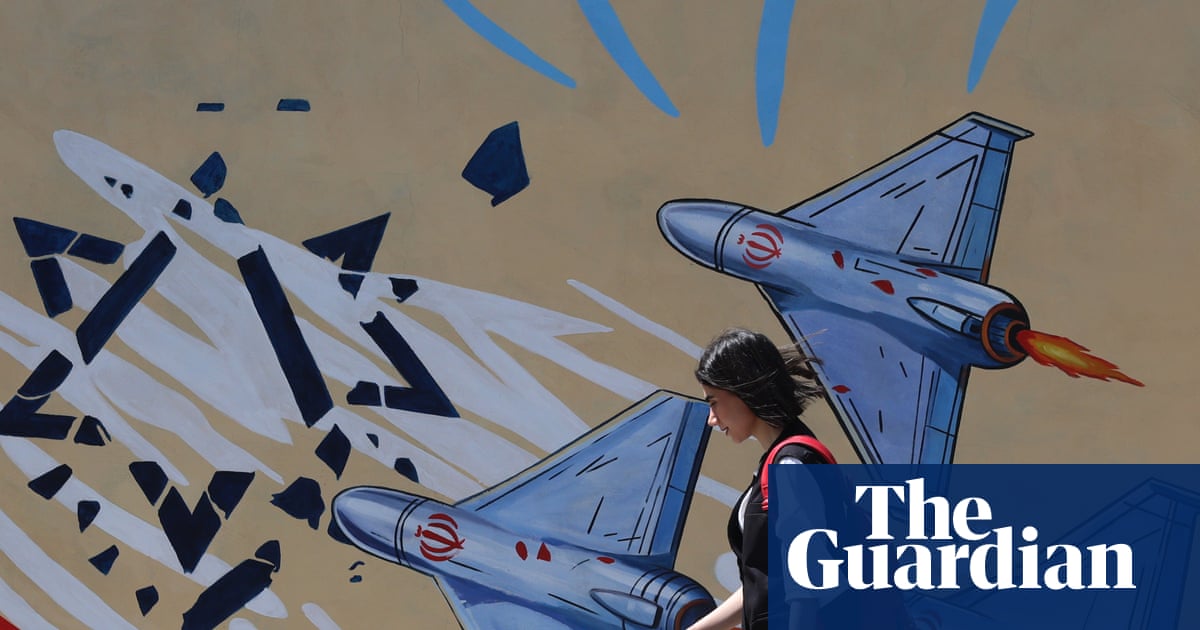
The fragile two-week ceasefire between the US and Iran, ostensibly brokered by Pakistan, is hanging by a thread, revealing the profound risks inherent in the Trump administration's aggressive foreign policy. The conflicting narratives emerging from Washington and Tehran underscore the urgent need for a shift towards diplomacy and de-escalation to prevent further suffering and potential wider conflict.
Secretary of Defense Pete Hegseth's triumphalist claims of having reduced Iran's military to rubble ring hollow, especially given the precarious nature of the ceasefire. His characterization of Iran as having 'begged' for the ceasefire ignores the devastating humanitarian consequences of the 40 days of war, particularly for vulnerable populations.
President Trump's insistence that Iran will hand over its enriched uranium and halt future enrichment directly contradicts Iran's stated position, as articulated in its 10-point counter-proposal, which explicitly reserves its right to enrich. This disconnect suggests either a profound misunderstanding of the agreement or a deliberate attempt to mislead the public about its terms.
Israel's assertion that the ceasefire does not apply to Lebanon, where it has intensified its bombing campaign, is particularly troubling. This disregard for the broader regional implications of the conflict risks further destabilizing an already volatile area and undermining any prospects for lasting peace. The impact of the bombing campaign will disproportionately affect civilians and cause further destruction of critical infrastructure.
The failure of NATO allies to support the US war against Iran underscores the international community's skepticism towards the Trump administration's approach. This isolation highlights the dangers of unilateralism and the importance of multilateral cooperation in addressing complex geopolitical challenges. The lack of support from allies undermines the legitimacy of the US position and isolates its capacity to act.
Democratic leaders' renewed efforts to curb Trump's war powers are essential to reasserting congressional oversight and preventing further escalation. The executive branch's unchecked authority to wage war poses a grave threat to democratic accountability and requires urgent corrective action.
Ukrainian President Zelenskyy's accusations that the US is ignoring evidence of Russian assistance to Iran because it 'trusts' Putin are deeply concerning. The administration must immediately address these allegations and ensure that its policies are not influenced by undue deference to authoritarian regimes. The potential for foreign interference in the conflict would threaten the security of US forces in the region.


