Fragile Ceasefire Imperiled as Civilian Populations Bear the Brunt of Iran War
Israeli bombardment of Beirut and control of the Strait of Hormuz threaten to unravel peace talks, leaving vulnerable communities at risk.
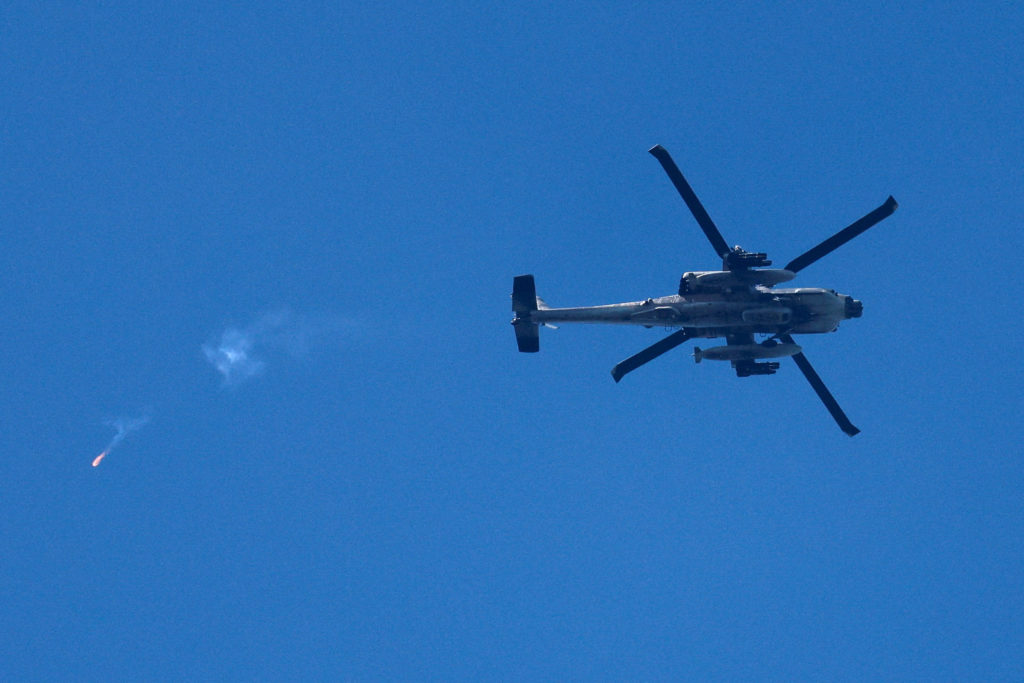
A tentative ceasefire in the Iran war teeters on the brink of collapse, placing civilian populations in Lebanon and the wider region at heightened risk. The root causes of the conflict, deeply intertwined with economic inequality, historical injustices, and geopolitical power struggles, continue to fuel instability and undermine efforts toward a lasting peace. The Israeli bombardment of Beirut, coupled with Iran's control over the Strait of Hormuz, represent significant impediments to progress and raise serious concerns about the humanitarian consequences of renewed hostilities.
The ongoing bombardment of Beirut, a city with a diverse population already struggling with economic hardship and political instability, exemplifies the disproportionate impact of the conflict on vulnerable communities. These attacks not only cause immediate death and destruction, but also exacerbate existing social and economic inequalities, further marginalizing those who are already disadvantaged. The long-term consequences of the bombardment, including displacement, trauma, and environmental damage, will disproportionately affect the most vulnerable members of society.
Iran's control over the Strait of Hormuz, while presented as a matter of national security, also has significant implications for the global economy and the livelihoods of working people around the world. Disruptions to oil supplies can lead to higher energy prices, which disproportionately affect low-income households and exacerbate existing economic disparities. The conflict also fuels a global arms race, diverting resources away from essential social services and contributing to a cycle of violence and instability.
The scheduled talks on Saturday offer a crucial opportunity to address the root causes of the conflict and build a more just and equitable future for the region. However, the success of the talks hinges on the willingness of all parties to prioritize the needs of civilian populations and commit to addressing the underlying social and economic inequalities that fuel the conflict. This requires a shift away from a purely military approach to conflict resolution and a greater emphasis on diplomacy, dialogue, and economic development.
The international community has a moral obligation to protect civilian populations and ensure that humanitarian assistance reaches those who are in need. This includes providing financial support to organizations working on the ground to alleviate suffering and address the long-term consequences of the conflict. It also requires holding all parties accountable for violations of international law and human rights.
The historical context of the conflict, including decades of foreign intervention and political instability, must be taken into account in any effort to achieve a lasting peace. The legacy of colonialism, Cold War rivalries, and proxy wars has created a deep-seated mistrust and resentment that continues to fuel the conflict. Addressing these historical grievances is essential to building a more just and equitable future for the region.
Moving forward, it is crucial to prioritize the voices of civil society organizations, human rights activists, and community leaders who are working to promote peace and reconciliation on the ground. These individuals and organizations have a deep understanding of the local context and can play a crucial role in building bridges between conflicting communities.
A just and lasting peace in the region requires a fundamental shift in priorities, away from military solutions and toward a focus on social justice, economic equality, and human rights. It requires a commitment to addressing the root causes of the conflict and building a more inclusive and equitable future for all.