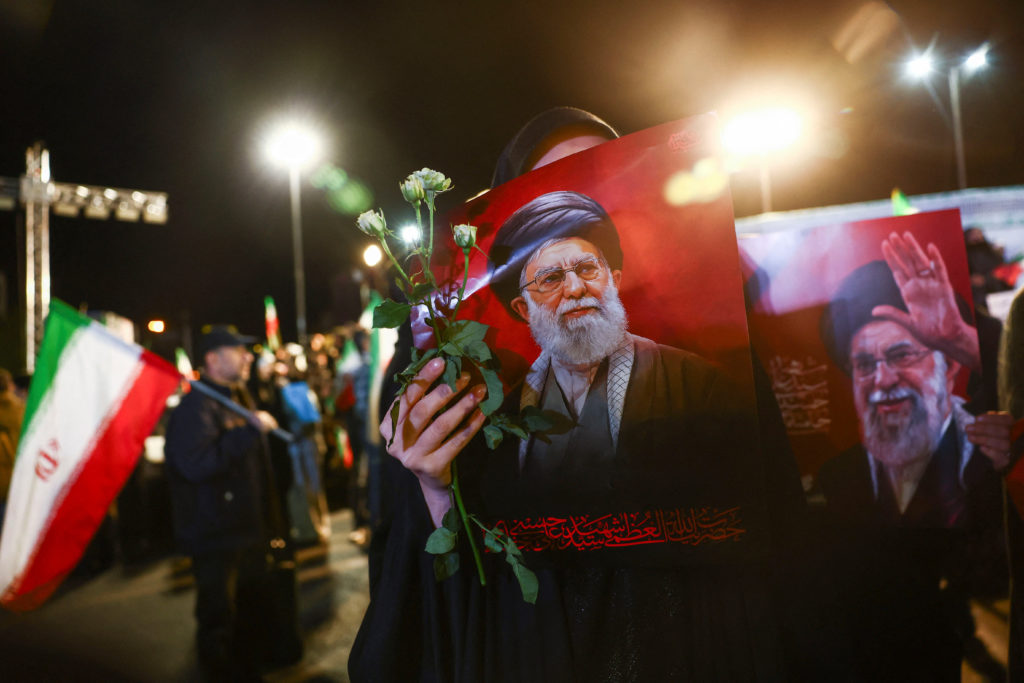
Fragile U.S.-Iran Ceasefire Underscores Need for Diplomatic Solutions Amid Regional Conflicts
While a pause in direct conflict is welcome, ongoing tensions in the Strait of Hormuz and Lebanon highlight the human cost of militarized foreign policy and the urgency of de-escalation.
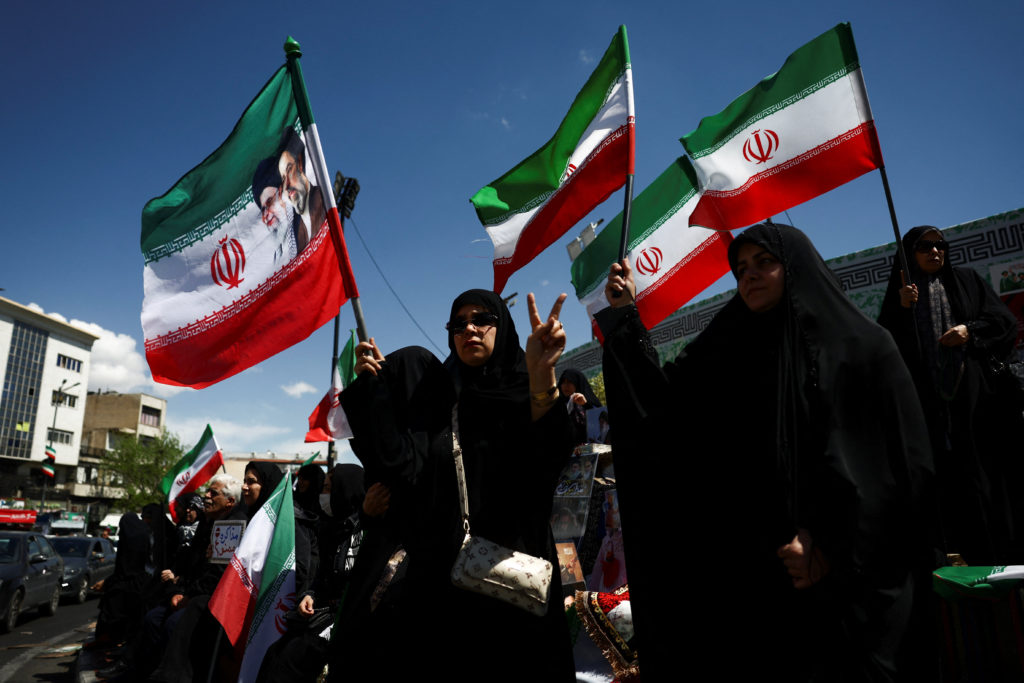
Washington D.C. – For the first time in over five weeks, the U.S. has refrained from launching widespread attacks on Iran, and Iran has not struck American targets, offering a temporary respite from escalating violence. While this de facto ceasefire provides a much-needed moment of calm, it also underscores the urgent need for long-term diplomatic solutions that address the root causes of conflict and prioritize human security.
The truce, however, is fragile, strained by Iran's continued presence in the Strait of Hormuz and the devastating war in Lebanon. These ongoing crises are not isolated events but are interconnected threads in a complex web of geopolitical power struggles that disproportionately impact vulnerable populations.
Iran's activity in the Strait of Hormuz, though described by some as a provocation, must be understood within the context of historical grievances and perceived threats to its national sovereignty. Economic sanctions and military pressure have created a climate of insecurity, fueling a defensive posture that can easily be misinterpreted. The reliance on military solutions has consistently failed to deliver lasting peace and stability in the region.
The war in Lebanon, with its devastating consequences for civilians, further exposes the human cost of unchecked militarism and foreign intervention. The conflict has exacerbated existing inequalities, displaced communities, and created a humanitarian crisis that demands immediate attention.
Progressive analysts emphasize that a sustainable peace requires a shift away from military-first approaches and towards comprehensive diplomatic engagement. This includes addressing the underlying economic and social inequalities that fuel instability, promoting human rights and democratic governance, and fostering regional cooperation.
Furthermore, it's crucial to acknowledge the historical context of U.S. involvement in the region. Decades of interventionist policies, including support for authoritarian regimes and military interventions, have contributed to the current state of affairs. A more equitable and just foreign policy requires a willingness to acknowledge past mistakes and adopt a more humble and collaborative approach.
The current ceasefire, while a positive step, is not a substitute for a comprehensive peace strategy. The focus must shift from short-term tactical gains to long-term strategic goals that prioritize human security and address the root causes of conflict. This requires a willingness to engage in difficult conversations, build trust across divides, and prioritize diplomacy over military force.
The voices of civil society organizations, human rights advocates, and peace activists must be amplified in the search for lasting solutions. Their expertise and lived experiences are invaluable in shaping a more just and peaceful world.
The temporary calm between the U.S. and Iran offers a window of opportunity to pursue meaningful diplomatic engagement. It is imperative that this opportunity is not wasted, and that all stakeholders commit to building a more equitable and sustainable future for the region.
Nick Schifrin reports.
Sources:
* United Nations Human Rights Office of the High Commissioner (OHCHR): [https://www.ohchr.org/](https://www.ohchr.org/) * International Crisis Group: [https://www.crisisgroup.org/](https://www.crisisgroup.org/) * U.S. Energy Information Administration (EIA): [https://www.eia.gov/](https://www.eia.gov/)
This report highlights the fragile U.S.-Iran ceasefire and the need for diplomatic solutions amid tensions in the Strait of Hormuz and the war in Lebanon, emphasizing the human cost of militarized foreign policy. It calls for a shift toward comprehensive diplomatic engagement to address the root causes of conflict and prioritize human security.