Freelance Journalist's Kidnapping Highlights Risks for Independent Media in Iraq
Shelly Kittleson's abduction and release underscore the vulnerability of journalists working without institutional support amid escalating geopolitical tensions and the influence of Iran-backed militias.
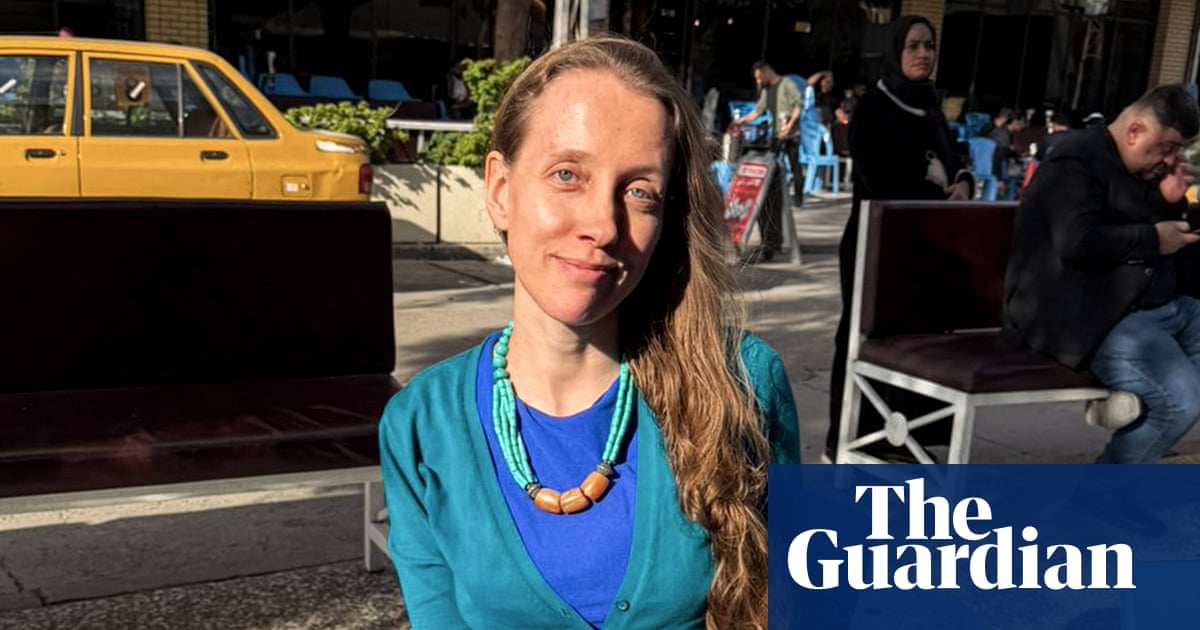
The release of American freelance journalist Shelly Kittleson after a week of captivity in Baghdad offers a moment of relief, but also casts a stark light on the precarious conditions faced by independent media workers in Iraq and the broader Middle East. Kittleson's kidnapping, claimed by the Iran-backed militia Kataib Hezbollah, exposes the dangers inherent in reporting from conflict zones without the safety net and resources of large news organizations.
Freelance journalists like Kittleson often operate on shoestring budgets, lacking the robust security protocols, legal support, and advocacy that staff reporters enjoy. This makes them particularly vulnerable to threats, intimidation, and even abduction, especially in countries with weak rule of law and a history of violence against journalists. Kittleson's situation is a chilling reminder of the risks these individuals take to bring critical information to the public.
Kataib Hezbollah's statement claiming responsibility for the abduction, citing “appreciation of the patriotic stances of the outgoing prime minister,” raises serious questions about the group's motivations and influence within the Iraqi political landscape. The demand that Kittleson leave the country immediately further underscores the limitations on press freedom and the challenges of reporting objectively on sensitive issues related to Iran's involvement in Iraq.
The reported exchange of detained Kataib Hezbollah members for Kittleson's release also raises ethical concerns. While securing a journalist's freedom is paramount, such exchanges can embolden militant groups and create a dangerous precedent for future kidnappings. It also highlights the complex interplay between the Iraqi government, Iran-backed militias, and U.S. interests in the region.
The abduction also underscores the need for greater support and protection for freelance journalists. News organizations, advocacy groups, and governments must prioritize the safety of these workers by providing resources, training, and insurance options that address their unique vulnerabilities. Furthermore, international pressure on the Iraqi government is needed to ensure a safe and secure environment for all journalists, regardless of their affiliation.
The history of foreign nationals being kidnapped in Iraq points to the long-term instability and lawlessness fostered by years of conflict and foreign intervention. The case of Elizabeth Tsurkov, the Princeton graduate student who was held by Kataib Hezbollah for over two years, demonstrates the severity of the threat and the impunity with which these groups operate.