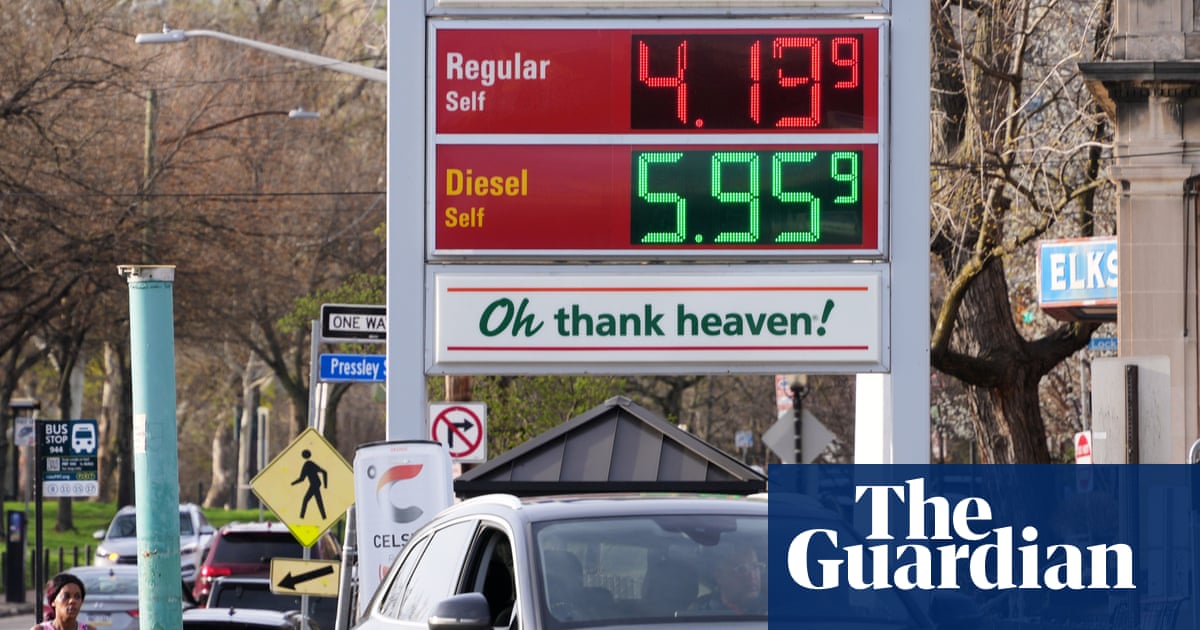
Fuel Price Cuts Offer Limited Relief as Systemic Cost-of-Living Crisis Persists
While welcomed, the fuel price reduction is a band-aid solution that fails to address the deeper inequities driving economic hardship for working families.
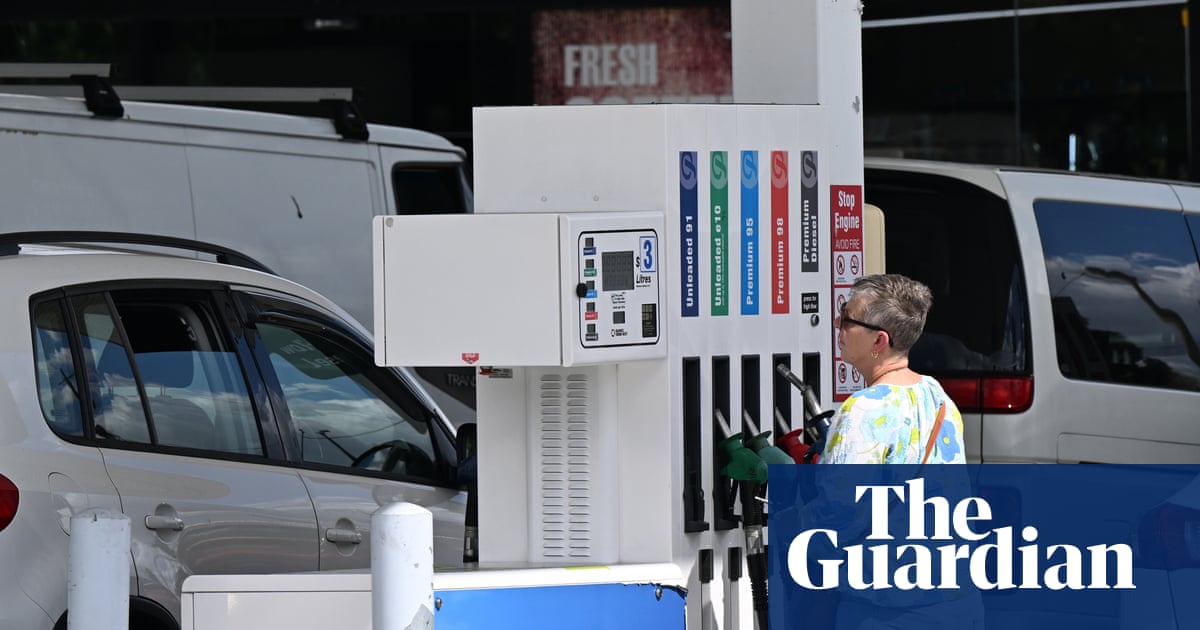
Canberra's announcement of a further 5.7 cents per liter reduction in fuel prices, achieved through a deal with the states to return GST revenue on fuel sales, offers a modicum of relief to Australian households grappling with a relentless cost-of-living crisis. However, it's crucial to recognize that this measure, while seemingly beneficial, is a temporary fix that fails to address the systemic issues driving economic hardship for working families and vulnerable communities.
The government's narrative frames this as a significant victory, highlighting the combined 32-cent-per-liter reduction achieved through the excise cut and GST return. While a $23 saving on a 65-liter fuel tank is not insignificant, it pales in comparison to the broader economic pressures faced by many Australians. Skyrocketing housing costs, stagnant wages, and the increasing casualization of the workforce continue to erode the financial stability of countless households.
The reliance on market-based solutions like fuel excise cuts and GST returns raises concerns about their long-term effectiveness and equitable distribution. These measures tend to disproportionately benefit those who own and operate vehicles, potentially overlooking the needs of low-income individuals and families who rely on public transportation or live in urban areas with lower car dependency.
Furthermore, the volatility of global fuel markets means that these price reductions are susceptible to external shocks and geopolitical instability. The Prime Minister's mention of the US-Israel war on Iran as a contributing factor underscores the precariousness of relying on short-term interventions in a globalized economy.
The focus on fuel prices also diverts attention from the urgent need for comprehensive social safety nets and robust public services. Investments in affordable housing, accessible healthcare, and quality education are far more effective and sustainable strategies for alleviating poverty and promoting economic equity.
The temporary nature of the GST return, limited to three months, further undermines its potential to provide lasting relief. This short-term approach suggests a lack of commitment to addressing the root causes of economic inequality and a preference for politically expedient solutions that offer limited long-term impact.
The agreement between the federal government and the states, while presented as a collaborative effort, masks underlying tensions and competing priorities. Queensland's initial reluctance to participate, citing a desire to allocate GST windfall gains to direct cost-of-living relief, highlights the divergent approaches to economic policy among different levels of government.