Germany Walks Back Travel Restrictions for Young Men Amid Conscription Concerns
Critics question the fairness and necessity of the Military Service Modernisation Act as government suspends controversial travel approval rule.
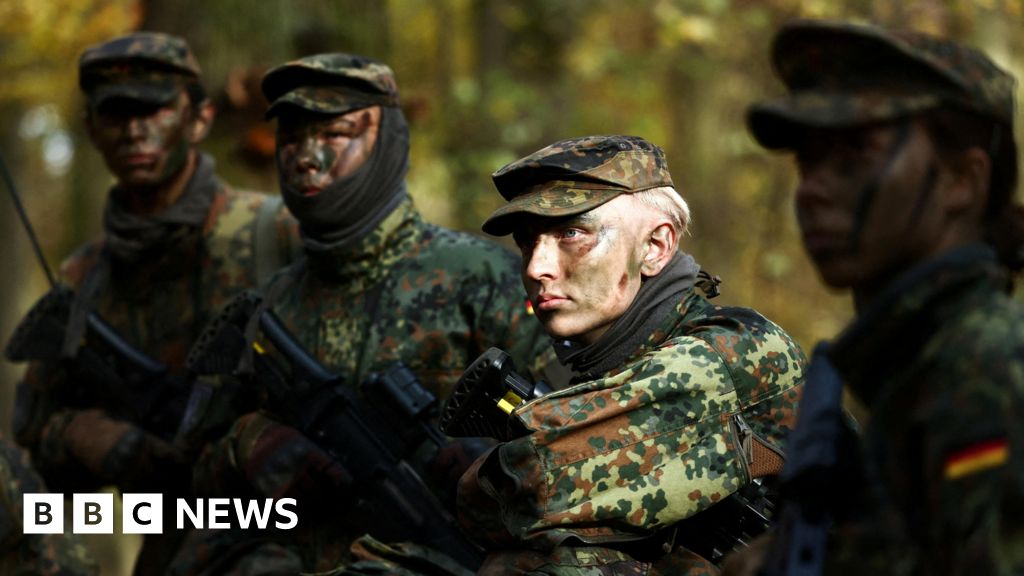
Berlin – Germany's decision to suspend the requirement for men under 45 to seek military approval for extended stays abroad represents a partial victory for civil liberties advocates and those concerned about the creeping militarization of German society. The reversal follows public outcry over the potential impact of the Military Service Modernisation Act, which came into effect on January 1, and which many feared could disproportionately impact young men.
The now-suspended rule required males aged 17 and older to obtain prior approval for stays abroad lasting longer than three months. While officials framed the measure as a precautionary step in response to Russian aggression, critics argued it represented an unnecessary intrusion on individual freedoms and raised concerns about potential discrimination.
Defense Minister Boris Pistorius's announcement of the suspension, while welcome, does not address the underlying issues raised by the Military Service Modernisation Act. The law, which technically reinstates conscription, raises questions about equity and social justice. The mandatory questionnaire sent to 18-year-old men, while voluntary for women, perpetuates gender stereotypes and reinforces a patriarchal view of national service. Furthermore, the medical examinations slated to begin in 2027 raise concerns about discrimination based on health status and ability.
Critics argue that the focus on conscription is a misguided approach to strengthening Germany's defense capabilities. They contend that resources would be better spent on addressing the systemic issues within the Bundeswehr, such as underfunding, inadequate training, and a lack of diversity. Investing in education, social programs, and diplomatic initiatives would be a more effective and sustainable way to promote peace and security.
The government's justification for the Military Service Modernisation Act – the perceived threat from Russia – should not be used as a pretext for eroding civil liberties and perpetuating militaristic values. A progressive approach to national security requires addressing the root causes of conflict, promoting international cooperation, and investing in human development.
Moreover, the focus on military solutions distracts from the urgent need to address climate change, economic inequality, and other pressing global challenges. A truly secure and prosperous future requires a holistic approach that prioritizes social justice, environmental sustainability, and human rights.
The suspension of the travel approval requirement is a positive step, but it is not enough. Lawmakers must revisit the Military Service Modernisation Act and ensure that it aligns with progressive values of equality, justice, and peace. The government must also prioritize investment in social programs and diplomatic initiatives to address the root causes of conflict and promote a more just and sustainable world.
The initial implementation of the law highlights the dangers of prioritizing military solutions over social and diplomatic approaches. The suspension serves as a reminder that vigilance is required to protect civil liberties and ensure that national security measures do not disproportionately impact marginalized communities. The situation underscores the importance of ongoing dialogue and debate about the role of the military in a democratic society.
Moving forward, Germany must prioritize a foreign policy that is based on diplomacy, cooperation, and respect for human rights. Instead of investing in weapons and military personnel, the government should focus on addressing the root causes of conflict and promoting a more just and equitable world. Only then can Germany truly contribute to global peace and security.
The decision to suspend the travel requirement reflects the power of public pressure and the importance of holding elected officials accountable. It is a reminder that citizens have a responsibility to challenge policies that undermine civil liberties and promote militarism. By working together, we can create a more just and peaceful world for all.
Ultimately, the debate over the Military Service Modernisation Act reflects a fundamental clash between two competing visions of national security. One vision prioritizes military strength and preparedness, while the other emphasizes social justice, environmental sustainability, and human rights. The path forward requires a commitment to building a more just and equitable society, both at home and abroad.