Global Energy Crisis Creates Windfall for Russia, Raising Concerns Over Inequality
Strait of Hormuz disruptions driving up crude prices hand a financial boost to Russia, exacerbating global energy inequities.

Moscow – As disruptions in the Strait of Hormuz drive up crude oil prices globally, Russia is poised to reap significant financial benefits from its energy exports. This windfall raises critical questions about equitable access to energy and the potential for further concentration of wealth within Russia.
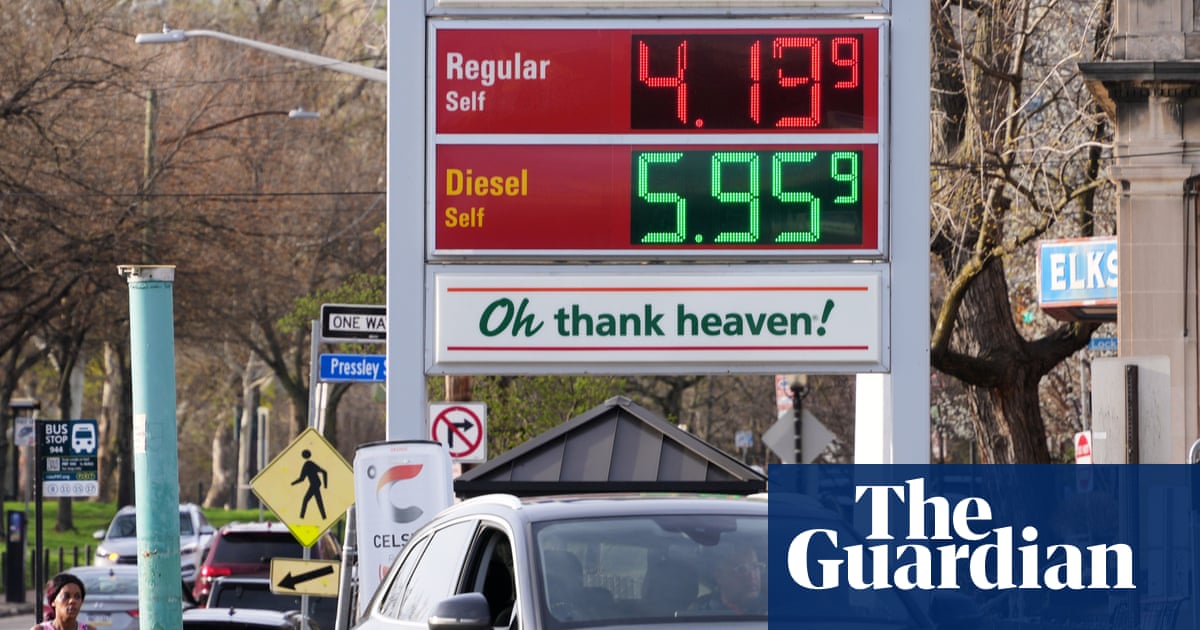
The Strait of Hormuz, a vital artery for global oil transportation, has experienced instability, leading to elevated crude prices. Russia, a major player in the global energy market, is strategically positioned to profit from this crisis.
Historically, Russia's economy has been overly dependent on fossil fuel exports, a reliance that perpetuates environmental damage and contributes to global climate change. The influx of revenue generated by higher oil prices further entrenches this dependence, hindering the transition to sustainable energy sources.
While increased energy revenues may superficially appear positive for Russia, they risk exacerbating existing inequalities within the country. Without progressive policies, the benefits of this windfall are likely to disproportionately accrue to the wealthy elite, while the majority of the population struggles with rising energy costs and limited access to essential services.
The global energy crisis also disproportionately affects marginalized communities and developing nations, who often bear the brunt of rising energy prices and climate change impacts. Russia's increased energy revenues, derived from a crisis that impacts these communities, highlight the urgent need for international cooperation to ensure equitable access to affordable and sustainable energy.
Experts argue that Russia should utilize this opportunity to invest in renewable energy infrastructure and implement policies that promote energy efficiency and conservation. This would not only reduce its reliance on fossil fuels but also create new jobs and stimulate economic growth in a sustainable manner.
Furthermore, there is a growing call for greater transparency and accountability in the distribution of energy revenues. Civil society organizations and independent watchdogs are demanding that the Russian government prioritize investments in social programs, education, and healthcare, ensuring that the benefits of the energy windfall are shared more equitably.
Geopolitically, Russia's increased energy revenues could embolden its foreign policy and potentially undermine international efforts to address climate change. It is crucial that Russia engage constructively in global dialogues and commit to reducing its carbon emissions.
The long-term sustainability of Russia's economy and the well-being of its citizens depend on a fundamental shift away from fossil fuel dependence and towards a more equitable and sustainable energy future. The current crisis presents an opportunity for Russia to demonstrate leadership in this transition.
The international community must also hold Russia accountable for its environmental obligations and ensure that its energy policies align with global climate goals.
Ultimately, the issue is not simply about Russia benefiting from higher oil prices but about ensuring that the benefits are shared equitably and that the proceeds are used to promote a more just and sustainable world.
Transparency and equitable distribution are key.