Hackney Council Inaction Traps Residents in Unsellable Homes, Exposing Flaws in Affordable Housing System
Unpaid developer fees and unresponsive local government leave working-class Londoners facing financial ruin and housing insecurity.
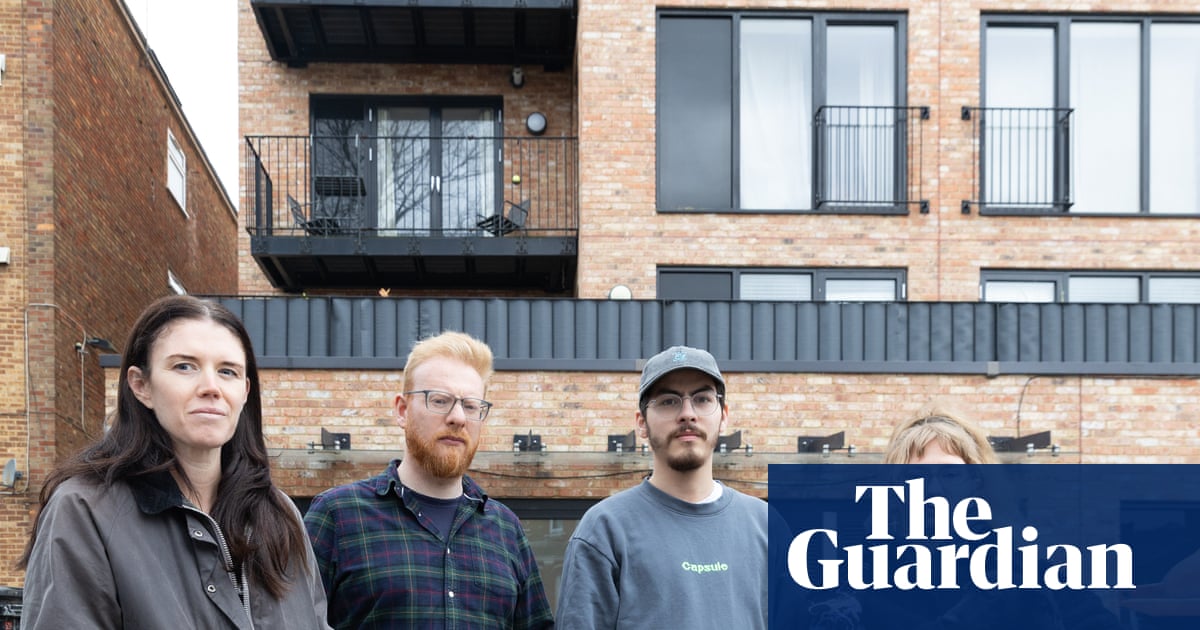
Leaseholders in Upper Clapton, east London, are facing a dire situation, trapped in unsellable homes due to an £850,000 debt owed by developer Restoration Hackney to Hackney Council. The debt, stemming from unpaid Section 106 contributions and community infrastructure levies, has been allowed to fester for eight years, highlighting systemic failures in oversight and accountability that disproportionately impact working-class families.
Section 106 agreements are intended to ensure that developers contribute to the local community by funding infrastructure and services that mitigate the impact of new developments. The failure to collect these funds not only deprives the community of vital resources but also creates a precarious situation for homeowners who are now potentially liable for the developer's debt.
Rich Bell, a leaseholder struggling to sell his flat, exemplifies the human cost of this negligence. He and his family are effectively trapped in their one-bedroom apartment, unable to move and build a better life. This situation is particularly egregious given London's already acute housing crisis, where affordable options are scarce and families are often forced to make impossible choices.
The Hackney Council's inaction raises serious questions about its priorities and commitment to its residents. The council's failure to collect the debt for eight years, despite issuing an initial notice in 2018, suggests a lack of urgency and a disregard for the potential consequences on homeowners. Their refusal to provide a guarantee that leaseholders will not be held liable for the debt further exacerbates the situation, leaving families in a state of perpetual uncertainty.
This case underscores the need for greater transparency and accountability in the planning and development process. Local authorities must be held responsible for enforcing Section 106 agreements and protecting the interests of homeowners. Furthermore, there must be mechanisms in place to prevent developers from shirking their financial responsibilities and leaving residents to bear the burden.
The crisis in Upper Clapton is not an isolated incident. It is a symptom of a broader housing system that prioritizes profit over people and allows developers to operate with impunity. Until systemic reforms are implemented, working-class families will continue to be vulnerable to exploitation and financial hardship. The fight for housing justice demands that we hold our elected officials accountable and demand policies that prioritize the needs of the community over the interests of wealthy developers.