ICE Releases Canadian Mother and Daughter After Weeks of Appalling Detention
Tania Warner and her daughter Ayla Luca's detention highlights the inhumane conditions and questionable practices within the U.S. immigration system.
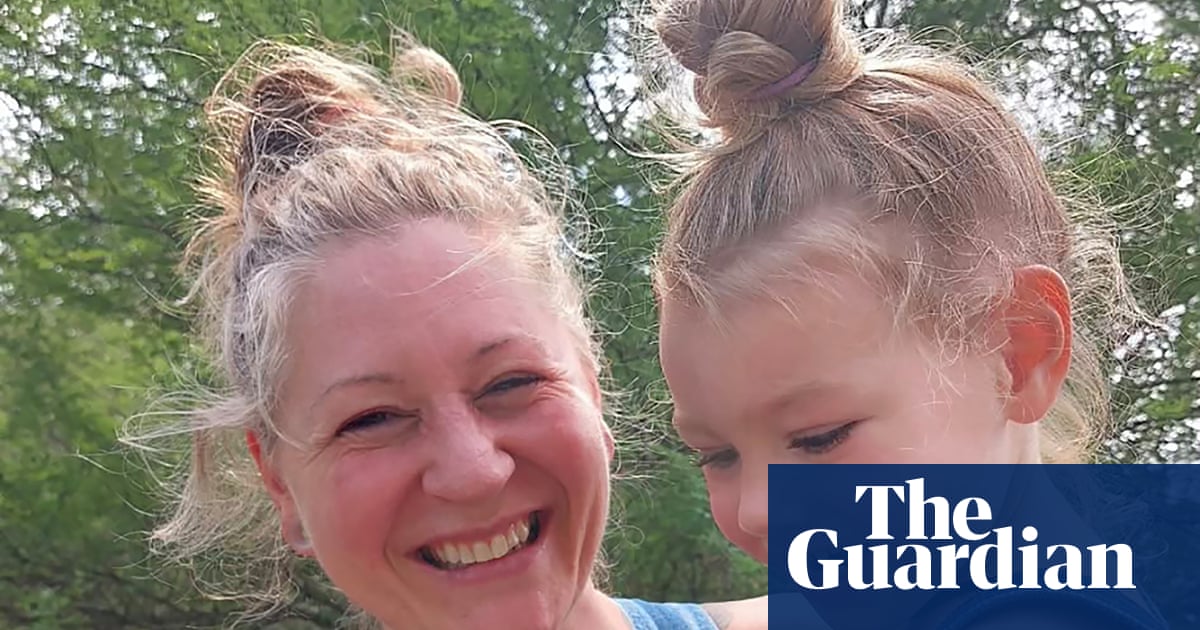
KINGSVILLE, Texas – Tania Warner, a Canadian citizen, and her seven-year-old daughter, Ayla Luca, were released from U.S. Immigration and Customs Enforcement (ICE) custody on Thursday, bringing an end to nearly three weeks of unjust detention that has sparked renewed criticism of ICE's practices. The release came after a $9,500 bond was posted and a judge determined that the pair, who are originally from British Columbia, Canada, did not pose a flight risk.
Warner's ordeal began on March 14 when she and Ayla were stopped at a checkpoint in Sarita, Texas, while returning from a baby shower. Despite possessing a valid “employment authorization” card with an expiry date of June 8, 2030, according to documentation provided by her husband, Edward Warner, ICE agents took them into custody, citing alleged visa overstay.
Their experience in ICE detention paints a grim picture of the treatment of immigrants in the United States. Warner described the conditions at the Rio Grande Valley central processing center as “horrific,” with detainees forced to sleep on mats in brightly lit rooms around the clock due to a lack of beds. While conditions improved slightly at the Dilley immigration processing center, Warner reported a lack of privacy and relentless pressure from ICE agents to “self-deport,” tactics she characterized as abusive and threatening. These conditions disproportionately affect vulnerable populations, particularly children and individuals with disabilities, as Ayla Luca, who has autism, was subjected to this environment.
This case is not isolated. Global Affairs Canada acknowledged being “aware of multiple cases of Canadians currently or previously in immigration-related detention in the US,” highlighting a broader pattern of questionable detentions and potential rights violations within the U.S. immigration system. The lack of transparency and accountability surrounding these detentions raises serious concerns about due process and the protection of human rights.
Warner's release, while welcome, is not the end of her struggle. She and Ayla now face a series of hearings that will determine whether they can remain in the U.S., where Warner has built a life with her husband. The family maintains that all immigration paperwork is up-to-date and that their initial detention was arbitrary, suggesting a potential case of wrongful detention and abuse of power by ICE.
Cases like Tania Warner's underscore the urgent need for comprehensive immigration reform that prioritizes human rights, due process, and humane treatment. The current system, critics argue, is rife with injustices and disproportionately targets vulnerable populations, tearing families apart and creating a climate of fear within immigrant communities. The use of checkpoints, often located far from the border, to apprehend individuals with alleged immigration violations raises further concerns about racial profiling and the erosion of civil liberties.