Innovative Project Turns Festival Waste into Forest: A Sustainable Solution for Environmental Restoration
A Welsh national park is pioneering a circular economy model by using urine-derived fertilizer from festivals to revitalize native tree populations, addressing both waste management and ecological needs.
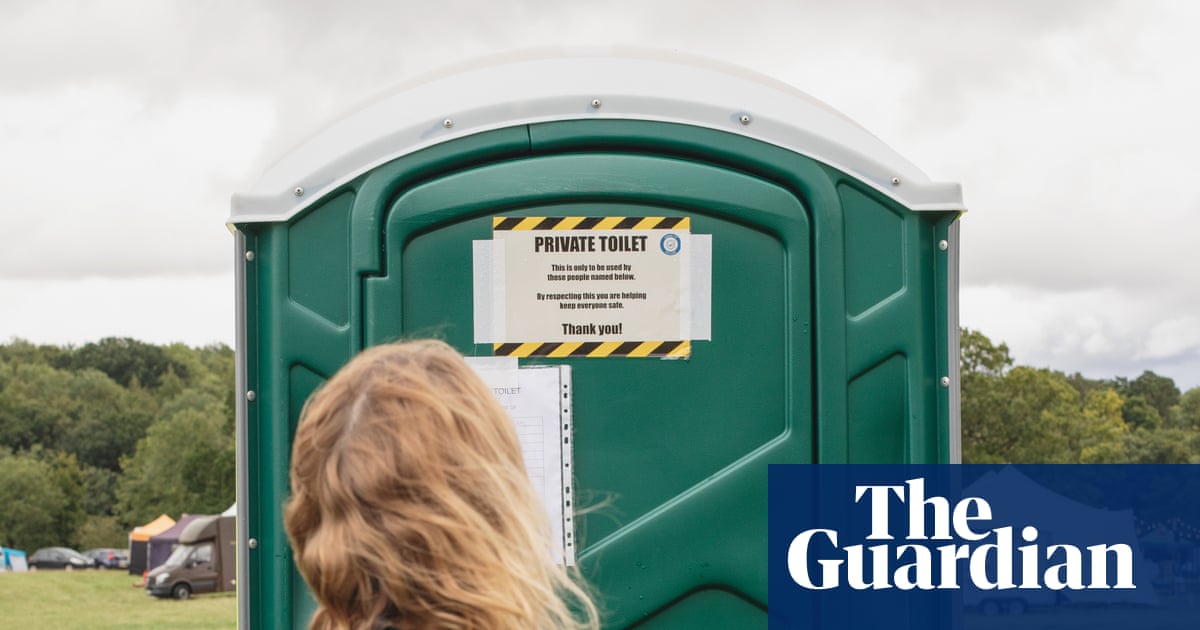
Bannau Brycheiniog, Wales – A groundbreaking initiative is underway at Bannau Brycheiniog National Park, aiming to cultivate 4,500 trees using fertilizer derived from festivalgoers' urine, showcasing a progressive approach to environmental sustainability and resource management. Backed by a grant from the Forestry Commission, this project exemplifies the potential of circular economy principles in ecological restoration.
NPK Recovery, a Bristol-based startup, is leading the charge by converting waste into a valuable resource. The company collected urine from the Boomtown festival in Hampshire, gathering waste from 700 attendees. Through innovative processing techniques, 540 liters of fertilizer were produced during the 2025 event, demonstrating the potential for large-scale waste valorization.
This fertilizer will now nourish native tree species, including beech, within the national park, addressing the critical need for reforestation and biodiversity conservation. This initiative underscores the importance of shifting away from traditional, often environmentally damaging, fertilizer production methods.
Lucy Bell-Reeves, co-founder of NPK Recovery, emphasized the project's significance: "Using a waste product to grow trees is a circular solution that can revitalize our struggling native species. We need to stop flushing crop and tree-growing nutrients down the loo and start using them to increase our fertilizer security."
By utilizing urine, a readily available waste product, the project offers a compelling alternative to resource-intensive fertilizer production. This approach aligns with the principles of sustainable development, minimizing environmental impact while maximizing resource utilization. It directly addresses the ecological costs associated with conventional agriculture and forestry practices.
The history of fertilizer production is intertwined with significant environmental and social consequences. The Haber-Bosch process, while revolutionizing agriculture, also created a dependence on fossil fuels and contributed to nitrogen pollution. Projects like this offer a glimpse into a future where waste streams are repurposed for ecological benefit, reducing our reliance on environmentally harmful industrial processes.
The partnership with Stump up for Trees, a charity dedicated to landscape restoration, further enhances the project's impact. Their experience in planting over 500,000 trees in the region provides a strong foundation for the success of this innovative fertilizer application. This collaboration demonstrates the power of combining entrepreneurial innovation with grassroots environmental activism.


