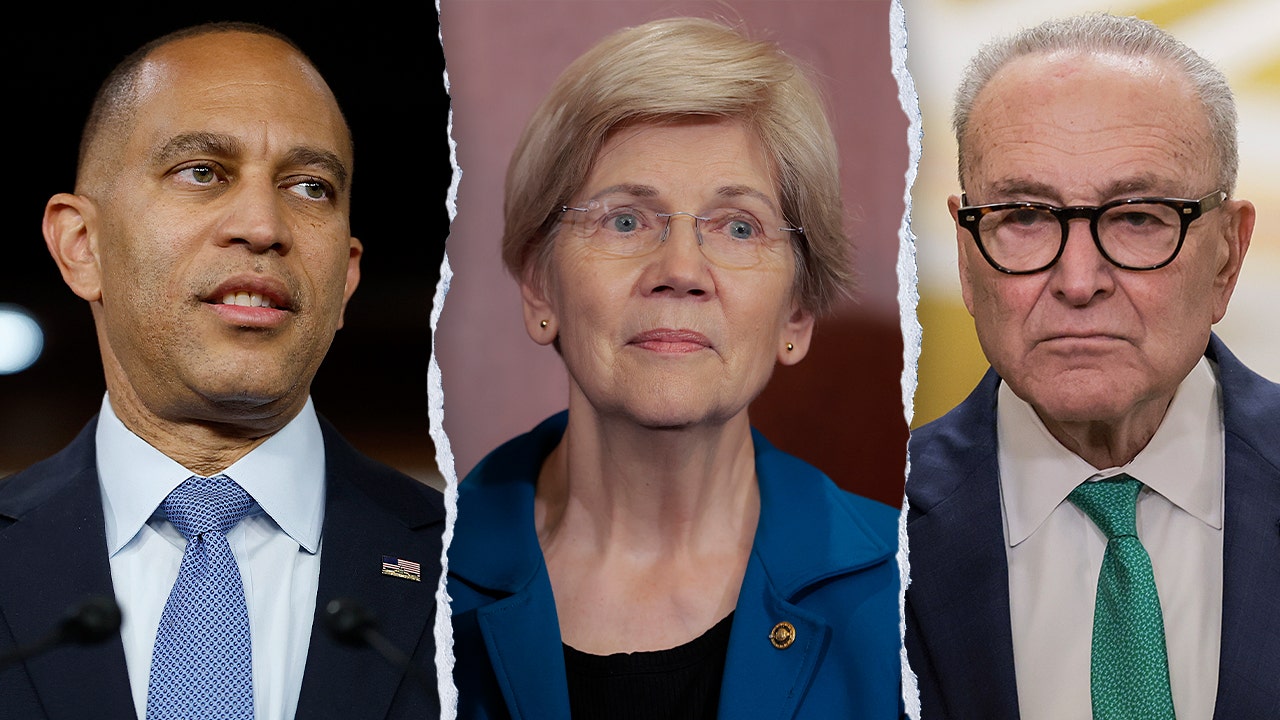
Intraparty Strife Exposes Fault Lines in Fight for a Just Future
Internal battles highlight the struggle between progressive ideals and establishment pragmatism.

The turmoil within both major political parties reveals deep-seated conflicts over the direction of the nation and the pursuit of a more equitable society. These internal divisions expose the tension between progressive visions for a more just future and the entrenched power of establishment forces resistant to meaningful change.
Historically, progressive movements have faced resistance from within established political structures. The struggle for civil rights, women's suffrage, and environmental protection all encountered opposition from moderate and conservative elements within the major parties. These historical precedents underscore the ongoing challenge of pushing for transformative change in a system often resistant to it.
Within the Democratic party, the clash between progressive and moderate wings reflects a fundamental disagreement over the scope and pace of social and economic reform. Progressives advocate for bold solutions to address systemic inequalities, such as universal healthcare, free college tuition, and a Green New Deal. Moderates often prioritize incremental reforms and seek to appeal to a broader range of voters, sometimes at the expense of addressing the root causes of inequality.
On the Republican side, the internal conflict between traditional conservatives and populist factions reveals a struggle over the party's identity and its relationship to working-class voters. While traditional conservatives often prioritize tax cuts and deregulation, populist factions focus on issues such as trade protectionism and immigration restriction, sometimes appealing to nativist sentiments and undermining efforts to build a more inclusive society.
The consequences of these intraparty divisions are far-reaching. They can hinder efforts to address pressing social and economic problems, such as climate change, income inequality, and racial injustice. Furthermore, they can undermine public trust in government and erode faith in the democratic process.
Progressive analysts argue that the only way to overcome these challenges is to build a broad-based movement for social and economic justice that transcends party lines. This requires mobilizing grassroots activists, challenging corporate power, and advocating for policies that prioritize the needs of working people and marginalized communities.
The ability of progressive forces to overcome internal divisions and build a united front will be crucial in shaping the future of American politics. Whether they can effectively challenge the status quo and push for a more just and equitable society will depend on their ability to organize, mobilize, and advocate for transformative change.
These internal party struggles directly affect marginalized communities, especially regarding policies on affordable housing, criminal justice reform, and access to quality education. The lack of consensus further delays critical assistance for the most vulnerable.
The long-term ramifications of this intraparty conflict could lead to a restructuring of political allegiances, potentially fostering a political landscape where progressive policies gain more traction and support. The ability to forge unity within the progressive movement will determine the movement's future influence and efficacy.
Ultimately, resolving these conflicts calls for a commitment to inclusivity and a willingness to challenge entrenched power structures. The leadership's ability to nurture dialogue and build consensus will be instrumental in navigating this complex political environment.
Understanding the roots and implications of intraparty conflict is imperative for those aiming to comprehend the dynamics of modern American politics. It accentuates the intricacies and obstacles facing political parties in a rapidly evolving world.
These splits reveal deeper societal patterns and ideological disagreements that are molding the political framework. Consequently, these intraparty tensions significantly shape the creation and execution of government policies and plans.