Iran Conflict Exacerbates Housing Crisis, Burdening Working Families
Rising mortgage rates driven by geopolitical tensions threaten to push homeownership further out of reach for marginalized communities and working-class families.
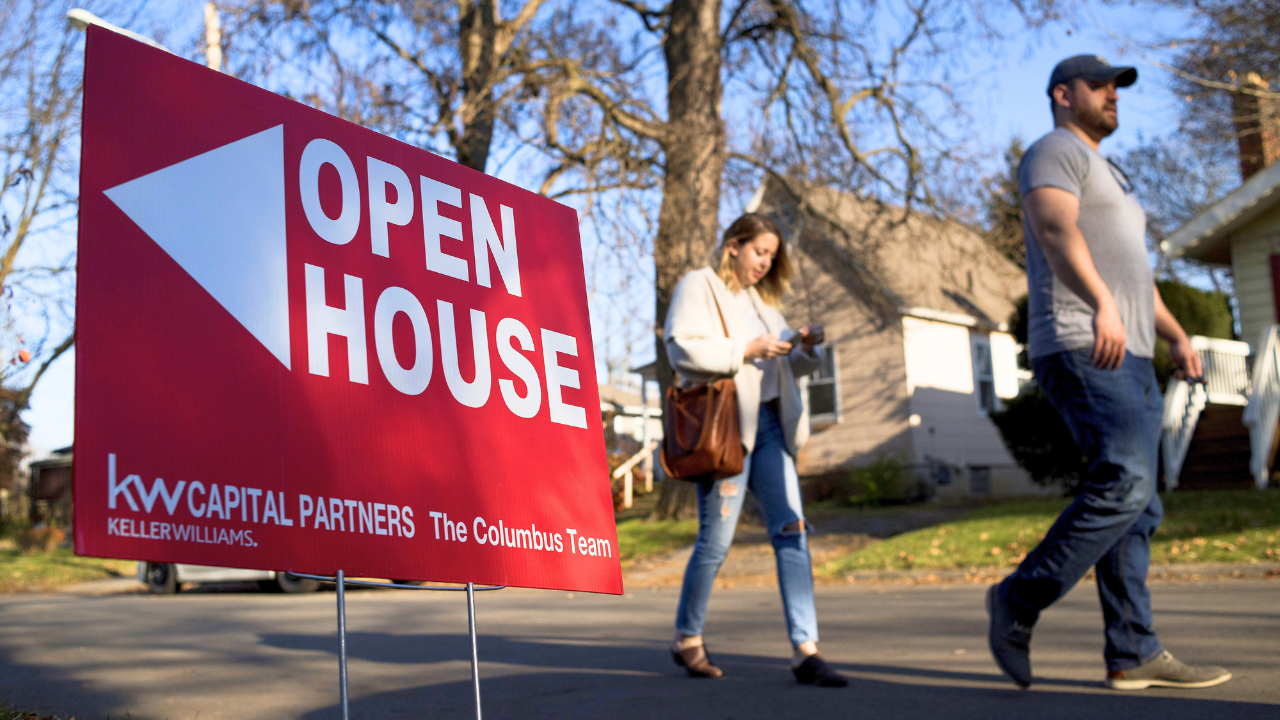
The ongoing conflict with Iran is deepening the existing housing affordability crisis in the United States, disproportionately impacting working families and marginalized communities already struggling to make ends meet. As the average rate on a 30-year fixed mortgage climbs to 6.38%, the dream of homeownership becomes increasingly unattainable for many.
The surge in mortgage rates, fueled by rising energy costs stemming from disruptions in the Middle East, underscores the interconnectedness of global geopolitics and domestic economic inequality. While the wealthy can weather these economic storms, working-class families are forced to bear the brunt of increased borrowing costs and rising fuel prices. This exacerbates existing disparities in wealth accumulation and access to stable housing.
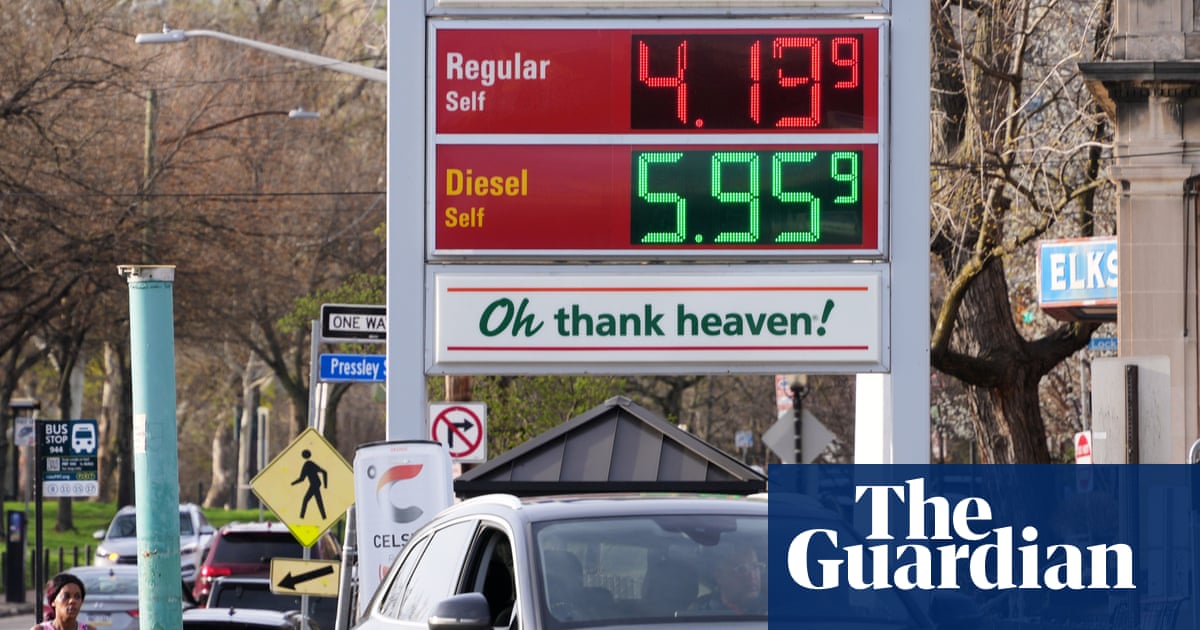
The conflict's impact on energy prices is particularly concerning. As crude oil surpasses $100 a barrel, the cost of gasoline and diesel is skyrocketing, placing an additional burden on low-income individuals who rely on their vehicles for transportation to work and essential services. The rise in fuel prices also contributes to higher costs for food and other essential goods, further squeezing household budgets.
For years, stagnant wages and rising housing costs have created a perfect storm of unaffordability. The current crisis threatens to reverse any progress made in addressing this systemic issue. Policymakers must prioritize interventions that protect vulnerable populations from the economic fallout of geopolitical instability. This includes expanding access to affordable housing, increasing wages, and providing robust social safety nets.
The focus should shift from prioritizing corporate profits and military spending to investing in the well-being of American families. A progressive agenda that addresses systemic inequalities is essential to building a more just and equitable society. This requires challenging the power of corporations and advocating for policies that promote economic security for all.
Furthermore, the environmental consequences of continued reliance on fossil fuels cannot be ignored. The conflict in Iran highlights the urgent need to transition to a sustainable energy economy that is not dependent on volatile global markets. Investing in renewable energy sources and energy efficiency measures will not only reduce our carbon footprint but also create jobs and promote economic stability.
It's crucial to recognize that the housing crisis is not simply a matter of individual choices but a result of systemic failures. Decades of discriminatory housing policies, coupled with a lack of investment in affordable housing, have created a situation where millions of Americans are struggling to find safe and stable housing. Addressing this crisis requires a comprehensive approach that tackles these underlying issues.
Ultimately, the goal should be to create a society where everyone has access to affordable housing, healthcare, and economic opportunity. This requires a fundamental shift in priorities, from prioritizing the interests of the wealthy and powerful to investing in the well-being of all Americans. The current crisis serves as a stark reminder of the urgent need for systemic change.
The time for incremental adjustments is over. Bold action is needed to address the root causes of economic inequality and create a more just and equitable society. This includes policies that promote affordable housing, raise wages, expand access to healthcare, and invest in renewable energy.
Only by tackling these systemic issues can we ensure that all Americans have the opportunity to thrive, regardless of their income or background. The conflict in Iran has laid bare the fragility of our current economic system and the urgent need for transformative change. The choices we make today will determine the future of our society and the well-being of generations to come.