Iran Detains Human Rights Champion Nasrin Sotoudeh Amid War, Sparking Fears of Repression
Award-winning lawyer's arrest highlights the vulnerability of activists and the erosion of civil liberties under wartime conditions.
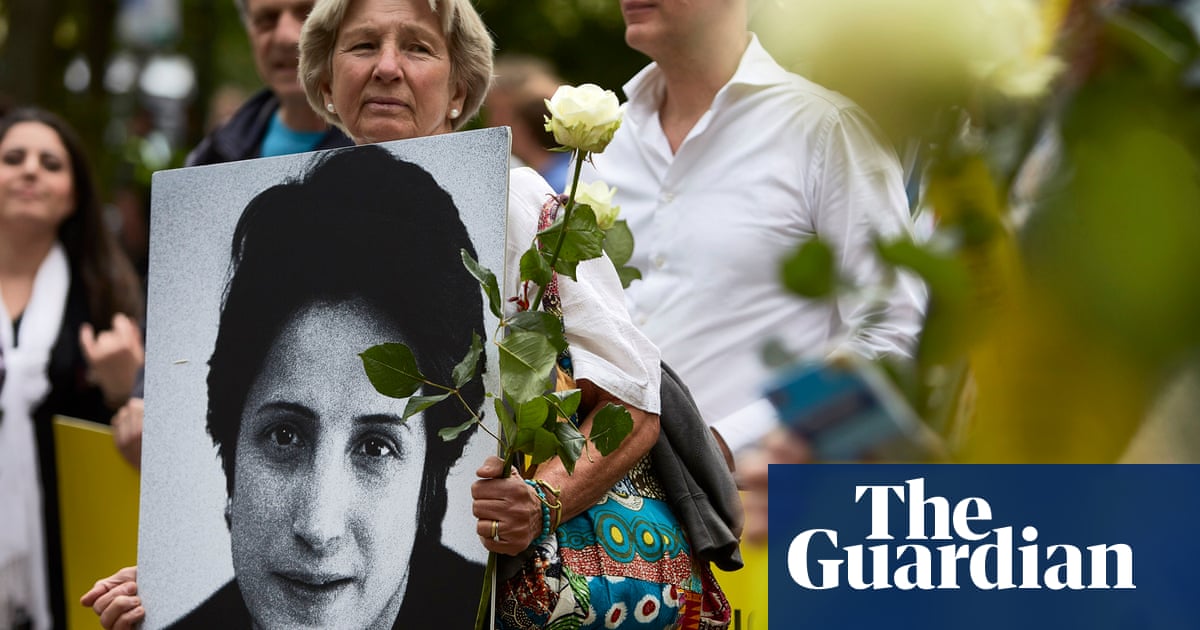
Tehran – The arrest of Nasrin Sotoudeh, a prominent Iranian human rights lawyer, in Tehran underscores the escalating repression of dissent and civil society under the shadow of war. Sotoudeh's detention, reported by her daughter Mehraveh Khandan, comes at a time when the Iranian government faces increased scrutiny for its human rights record and potential abuses of power amidst the ongoing conflict with Israel and the United States.
Sotoudeh's work has long focused on defending marginalized communities, including political prisoners, women challenging discriminatory laws, and activists advocating for social change. Her arrest signals a concerning escalation in the targeting of human rights defenders who provide critical legal support and raise awareness about injustice.
Khandan's account of her mother's arrest reveals a pattern of intimidation and silencing of dissenting voices. The confiscation of Sotoudeh's electronic devices and the communications blackout imposed by the government highlight the regime's efforts to control information and suppress criticism.
"We do not know which agency carried out the arrest or who was responsible. She was alone at home at the time, and my family only became aware of it today," Khandan stated, emphasizing the lack of transparency and due process surrounding the arrest.
The timing of Sotoudeh's arrest raises concerns that the Iranian government is exploiting the war to further restrict civil liberties and silence dissent. Activists have warned that the conflict may be used as a pretext to justify increased surveillance, arbitrary arrests, and restrictions on freedom of expression.
Moreover, the alarming rise in executions in Iran, with at least 145 confirmed deaths in 2026 and hundreds more reported but unverified, points to a broader pattern of human rights abuses. The international community must hold the Iranian government accountable for these violations and demand an end to the repression of human rights defenders and political prisoners.
Sotoudeh's previous imprisonment and release on medical grounds underscore the precariousness of her situation. Her daughter's concerns about her health reflect the ongoing risks faced by activists who challenge authoritarian regimes. Sotoudeh's heart condition, exacerbated by stress and imprisonment, highlights the physical and psychological toll of defending human rights in a repressive environment.


