Iran Refutes Trump's Ceasefire Claim Amid Humanitarian Crisis Concerns
While Iran denies seeking a ceasefire, the ongoing economic sanctions exacerbate hardships for ordinary citizens, deepening the humanitarian crisis.
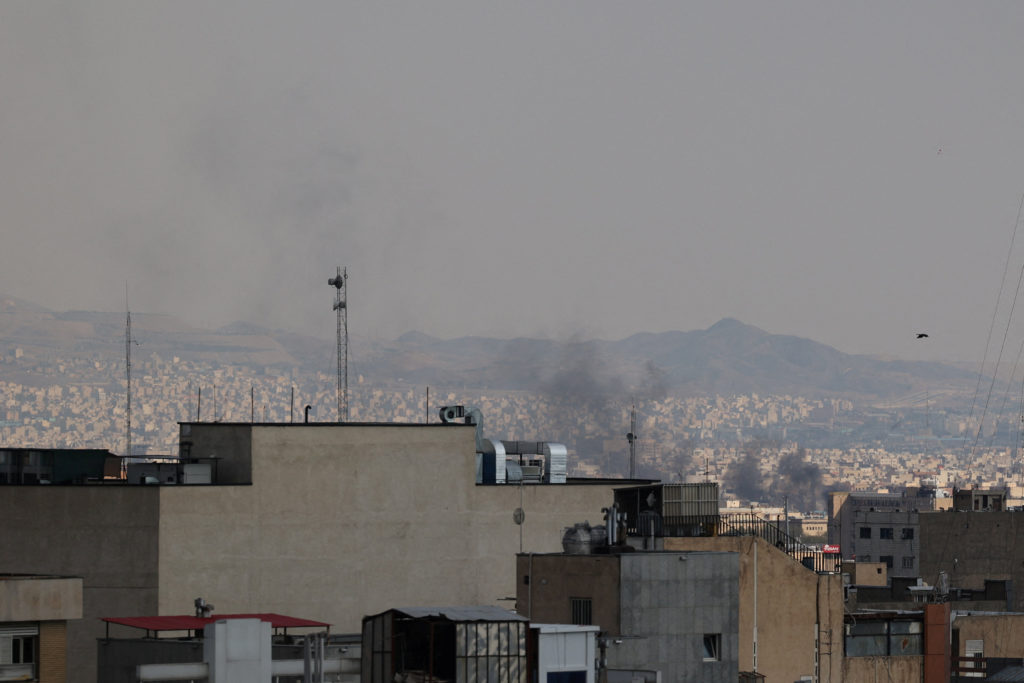
Tehran, Iran – Iranian officials have rejected claims by former President Trump that they are seeking a ceasefire, underscoring the nation's defiance amidst crippling U.S. sanctions. Simultaneously, the Revolutionary Guard Corps (IRGC) affirmed its control over the Strait of Hormuz, a critical global trade route. This comes as the Iranian people face growing economic hardship linked to the sanctions imposed following the U.S. withdrawal from the JCPOA.
Trump's unilateral withdrawal from the 2015 Joint Comprehensive Plan of Action (JCPOA), a landmark agreement designed to curb Iran’s nuclear ambitions in exchange for sanctions relief, has had devastating consequences for the Iranian economy and its citizens. The reimposition of sanctions has led to rising inflation, unemployment, and shortages of essential goods, disproportionately impacting vulnerable populations.
Critics argue that these sanctions, while intended to pressure the Iranian government, are effectively a form of collective punishment, violating international humanitarian law. Access to medicine and medical equipment has been severely restricted, hindering Iran’s ability to respond to public health crises. Reports from humanitarian organizations detail the struggles of ordinary Iranians to afford basic necessities.
The IRGC's declaration of control over the Strait of Hormuz, a vital waterway for global oil shipments, is seen by some as a direct response to the economic pressure exerted by the U.S. sanctions. This control gives Iran significant leverage in the region and underscores the potential for escalation, which could further destabilize the region and worsen the humanitarian situation.
Progressive analysts point out the hypocrisy of the U.S. government, which claims to support human rights while simultaneously implementing policies that inflict widespread suffering on the Iranian population. They argue that a more constructive approach would involve re-engaging with the JCPOA and pursuing diplomatic solutions that prioritize the well-being of ordinary Iranians.
The situation in Iran highlights the limitations of sanctions as a tool of foreign policy. While sanctions can exert economic pressure on governments, they often have unintended consequences for the civilian population, leading to humanitarian crises and fueling resentment towards the countries imposing the sanctions. A more nuanced approach is needed, one that combines diplomatic engagement with targeted measures aimed at addressing specific concerns.
The international community has a responsibility to protect civilians caught in the crossfire of geopolitical tensions. Humanitarian organizations are calling for increased access to Iran to provide assistance to those in need. They are also urging the U.S. government to ease sanctions on essential goods, such as medicine and food, to alleviate the suffering of the Iranian people.
The denial of ceasefire talks, coupled with the assertion of control over the Strait of Hormuz, suggests that Iran is determined to resist U.S. pressure. However, this resistance comes at a significant cost to the Iranian people, who are bearing the brunt of the economic sanctions. A long-term solution will require a willingness from all parties to prioritize diplomacy and address the root causes of the conflict.
The ongoing crisis in Iran underscores the need for a more humane and effective foreign policy that prioritizes the well-being of ordinary people over geopolitical calculations. The focus should be on de-escalation, dialogue, and the promotion of human rights for all.


