Iran War Exacerbates Fertilizer Crisis, Threatening Food Security and Marginalized Farmers in India
Disruptions to fertilizer imports expose the vulnerability of India's agricultural system and the precarious livelihoods of its farmers amid global conflict.
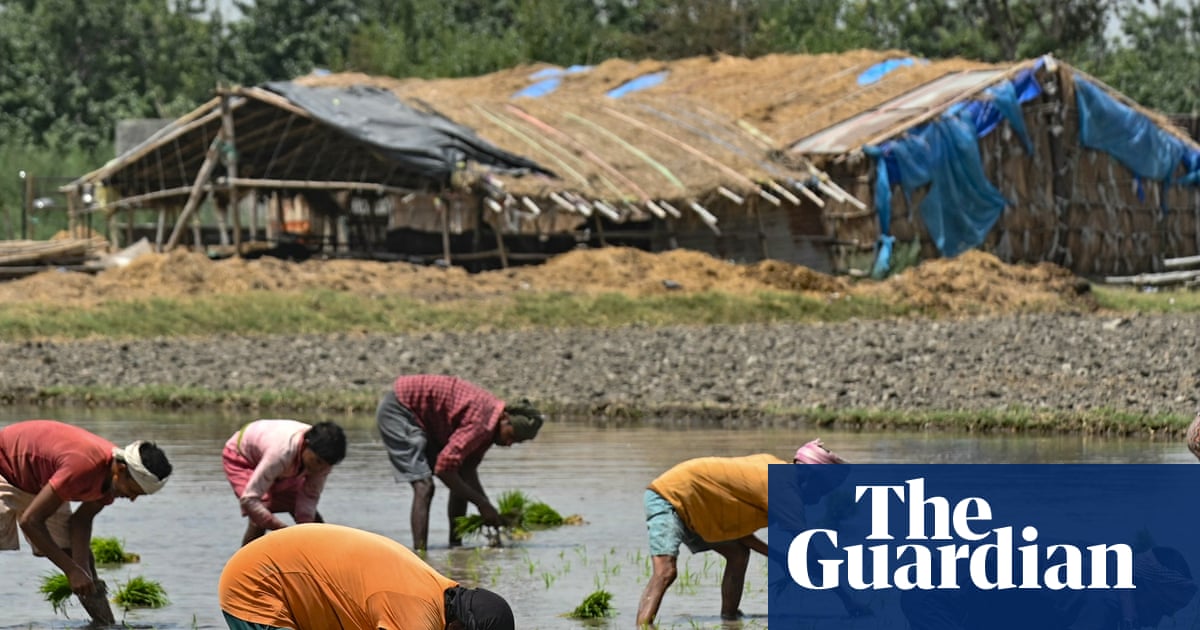
New Delhi – The ongoing conflict involving Iran, the United States, and Israel is casting a long shadow over India's agricultural sector, with farmers facing the looming threat of fertilizer shortages and potential devastation to their livelihoods. This crisis exposes the systemic vulnerabilities of a food system reliant on imported resources and disproportionately impacts marginalized communities dependent on agriculture.
The blockade of the Strait of Hormuz, a critical shipping route for oil and fertilizers, highlights the interconnectedness of global conflicts and their impact on local communities. While governments claim sufficient stocks exist, farmers on the ground express deep anxiety about the long-term consequences of this disruption, particularly on their ability to produce food and sustain their families.
Gurvinder Singh, a farmer in Punjab, illustrates the plight of many. He fears that reduced fertilizer availability will lead to lower crop yields, threatening his family's income and the economic stability of the entire region. Singh's anxieties reflect the precarious situation of smallholder farmers who are already struggling with shrinking profits and climate change impacts.
India's reliance on imported fertilizers, primarily from Gulf countries, underscores a problematic dependence on external forces. This dependence exposes the country to global price shocks and geopolitical instability, making it essential to diversify supply chains and invest in sustainable agricultural practices.
The Indian government's massive fertilizer subsidy program, costing 1.8 trillion rupees ($22 billion) in 2023-24, reveals the artificial supports propping up an unsustainable system. While subsidies may provide short-term relief, they fail to address the underlying issues of soil degradation, water scarcity, and over-reliance on chemical inputs.
Agricultural economist Devinder Sharma points to tightening supplies and rising costs of fertilizers, which are already being passed on to farmers. This cost burden disproportionately affects small and marginal farmers, who lack the resources to absorb price increases and may be forced into debt or landlessness.
The World Food Programme warns that the conflict could push an additional 45 million people into acute food insecurity, with South Asian countries like India and Sri Lanka being particularly vulnerable. This stark warning underscores the urgent need for proactive measures to mitigate the food security crisis and protect vulnerable populations.