Iran War Fuels Economic Inequity: Northern Ireland Hit Hard by Soaring Fuel Costs
Working families in Northern Ireland face disproportionate burden as petrol and diesel prices skyrocket amid global conflict, exacerbating existing inequalities.
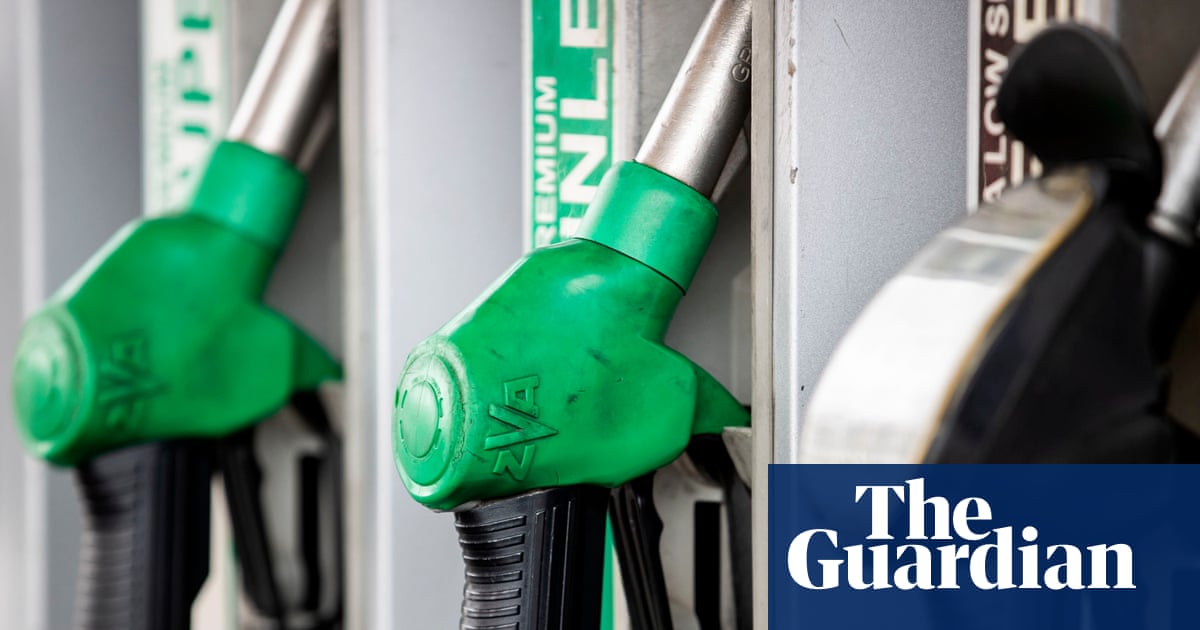
The ongoing Iran war is exacerbating economic inequalities in Northern Ireland, with fuel prices surging at rates that disproportionately impact working families and low-income individuals. Data reveals a staggering 19% increase in petrol prices and a 35% increase in diesel prices since the conflict began, placing immense strain on household budgets already stretched thin.
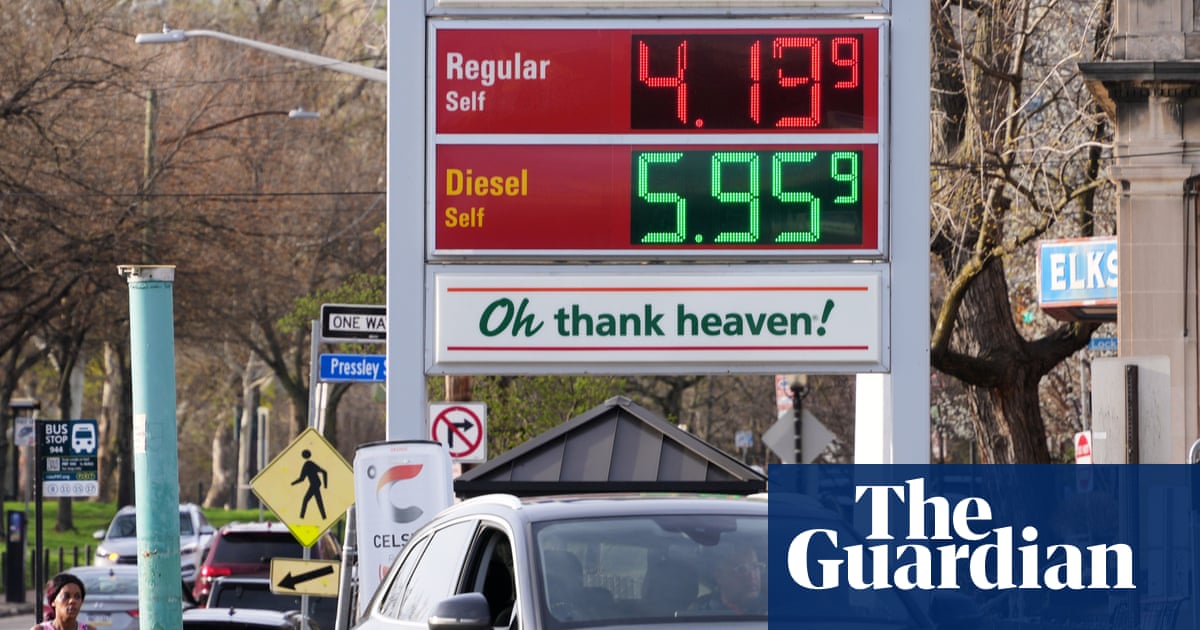
Filling a 50-litre tank now costs an average of £75 for petrol and £91 for diesel in Northern Ireland, a significant jump from the £63 and £67 respectively just before the US-Israeli airstrikes on Iran. This rapid inflation of fuel costs directly affects the ability of individuals to commute to work, access essential services, and maintain their livelihoods.
Historically, Northern Ireland benefited from lower fuel prices due to increased competition and unique market dynamics. However, this advantage is rapidly eroding as the Iran war fuels global instability. The narrowing price gap between Northern Ireland and other UK regions underscores the vulnerability of local economies to geopolitical events and the need for policies that protect vulnerable populations from external shocks.
Across the UK, fuel prices have risen sharply, but the impact is most pronounced in regions like Northern Ireland, where a higher proportion of the population relies on private vehicles for transportation due to limited public transport options. The 16% and 30% average increases in petrol and diesel prices, respectively, represent a significant transfer of wealth from working families to oil companies and retailers.
While England's north has seen the sharpest increases within England, the overall picture across the UK reveals a systemic issue. The existence of 100+ rural petrol stations charging exorbitant prices (180p-210p per litre) highlights the predatory practices of some retailers, exploiting geographical isolation and lack of competition to maximize profits at the expense of consumers.
The rising prices charged by major retailers like Shell, BP, and Esso, with increases of up to 16% since the start of the war, expose the complicity of large corporations in profiteering from global instability. These companies, driven by profit motives, are further burdening communities already struggling with economic hardship.
The government's Fuel Finder scheme, while intended to promote transparency, may not be sufficient to curb exploitative pricing practices. The three-month grace period before fines are imposed for non-compliance allows retailers to continue inflating prices with impunity. Stricter regulations and robust enforcement mechanisms are needed to ensure fair pricing and protect consumers.