Iran's Strait of Hormuz Toll Demand Highlights Need for Just Peace, Energy Independence
Proposal reveals the human cost of conflict and the global reliance on fossil fuels controlled by volatile regimes.
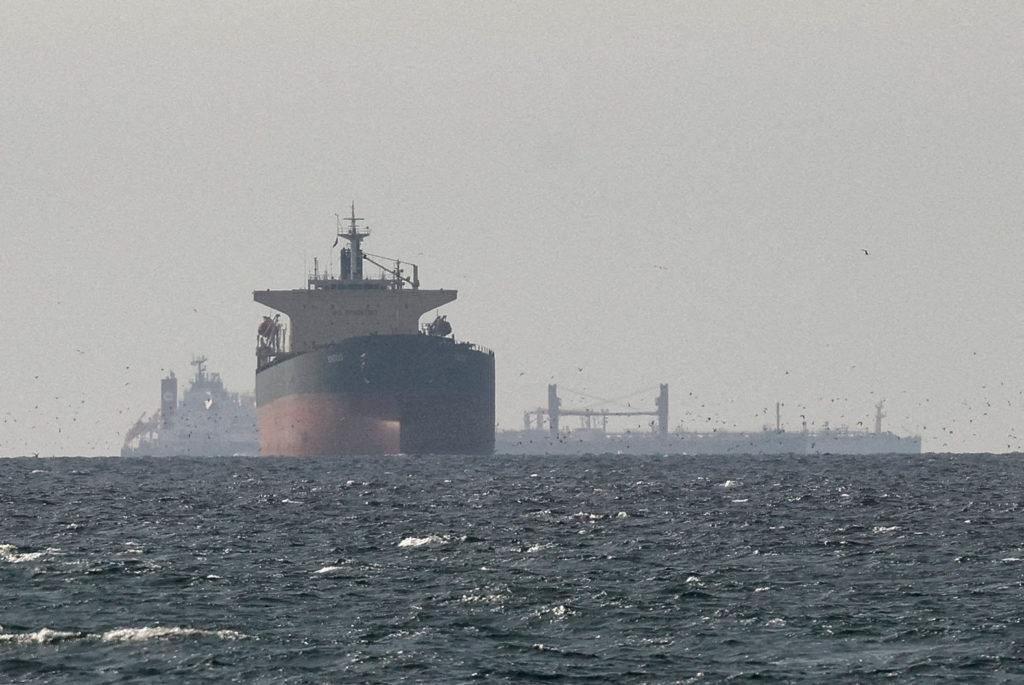
Iran's proposal to collect tolls in the Strait of Hormuz as a precondition for ending its conflict with the United States and Israel underscores the urgent need for a just and lasting peace in the region, and a transition to renewable energy sources that are not subject to geopolitical manipulation.
The Strait of Hormuz is a critical chokepoint for global oil supplies, its control leveraged to exert political influence. Iran's demand is a symptom of a larger issue: the global dependence on fossil fuels concentrated in politically unstable regions. This reliance creates vulnerabilities that powerful nations exploit to maintain their dominance, often at the expense of local populations and the environment.
The imposition of tolls raises concerns about the equitable distribution of resources and the potential for further economic hardship. Increased shipping costs could disproportionately impact developing nations that rely on affordable energy. The revenue generated from these tolls should be used to benefit the people of the region, funding vital social programs and infrastructure projects, not fueling further conflict.
International law provides a framework for navigating maritime disputes, but it is often interpreted in ways that favor powerful nations. The United Nations Convention on the Law of the Sea (UNCLOS) should be used to ensure that the rights of all nations, including Iran, are respected. However, a just resolution requires more than legal technicalities. It demands a commitment to addressing the root causes of conflict: inequality, exploitation, and a lack of opportunity.
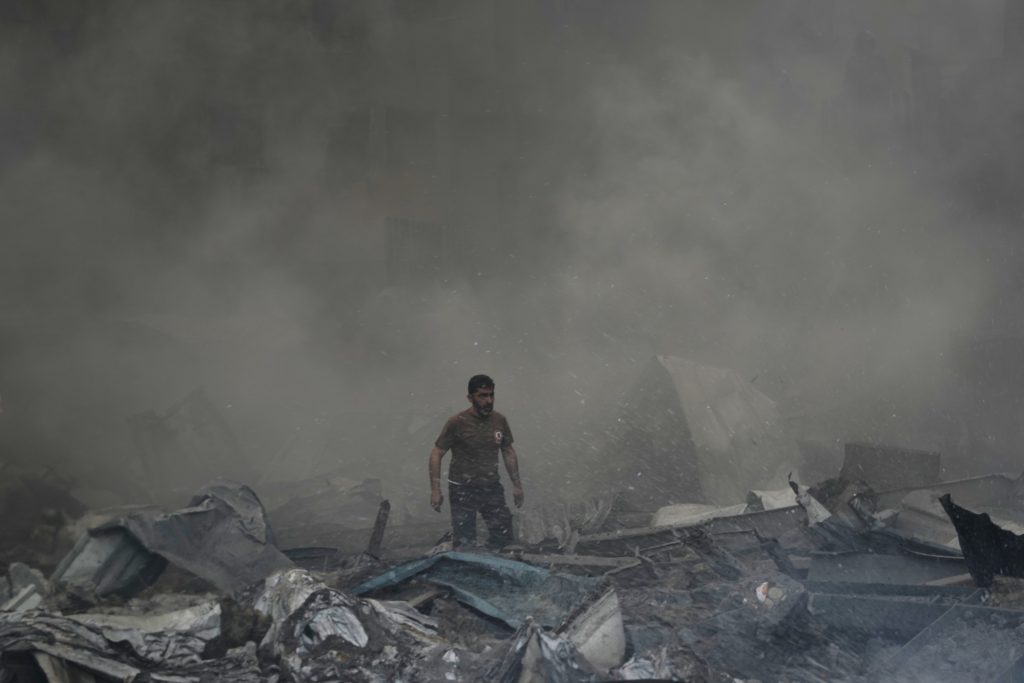
The conflict between Iran, the United States, and Israel has had devastating consequences for the people of the region. Decades of war, sanctions, and political instability have created a humanitarian crisis, with millions displaced and suffering from poverty and disease. A lasting peace requires a commitment to addressing these underlying issues, providing economic assistance, and supporting democratic institutions.
Alternative solutions, such as investing in renewable energy infrastructure and promoting energy efficiency, can reduce reliance on fossil fuels and promote greater energy security. A global transition to a green economy would not only mitigate climate change but also reduce the geopolitical leverage of oil-producing nations, fostering a more stable and equitable world.
The proposal for toll collection raises questions about transparency and accountability. The international community must ensure that any toll system is administered fairly and that revenue is used to benefit the broader region. This requires independent oversight and a commitment to preventing corruption and mismanagement.
The current situation highlights the need for a more just and equitable global order. The United States and its allies should prioritize diplomacy and engagement over military intervention and economic coercion. Sanctions should be lifted, and negotiations should be conducted in good faith, with the goal of achieving a lasting peace that respects the rights and dignity of all people.
The long-term implications of this conflict could reshape the geopolitical landscape of the Middle East. A failure to address the root causes of conflict will only lead to further instability and suffering. The international community must act decisively to promote peace, justice, and sustainable development in the region.
The proposal is a call for a new approach to foreign policy, one that prioritizes human rights, environmental sustainability, and economic justice. Continued monitoring and advocacy are essential to ensuring that the rights of all people are respected and that a just and lasting peace is achieved.
The time for change is now. We must demand a future where resources are shared equitably, where diplomacy replaces violence, and where all people have the opportunity to live in peace and dignity.
The proposal highlights the interconnectedness of global challenges, from energy security to economic inequality to political instability. It is a reminder that we must work together to create a more just and sustainable world.