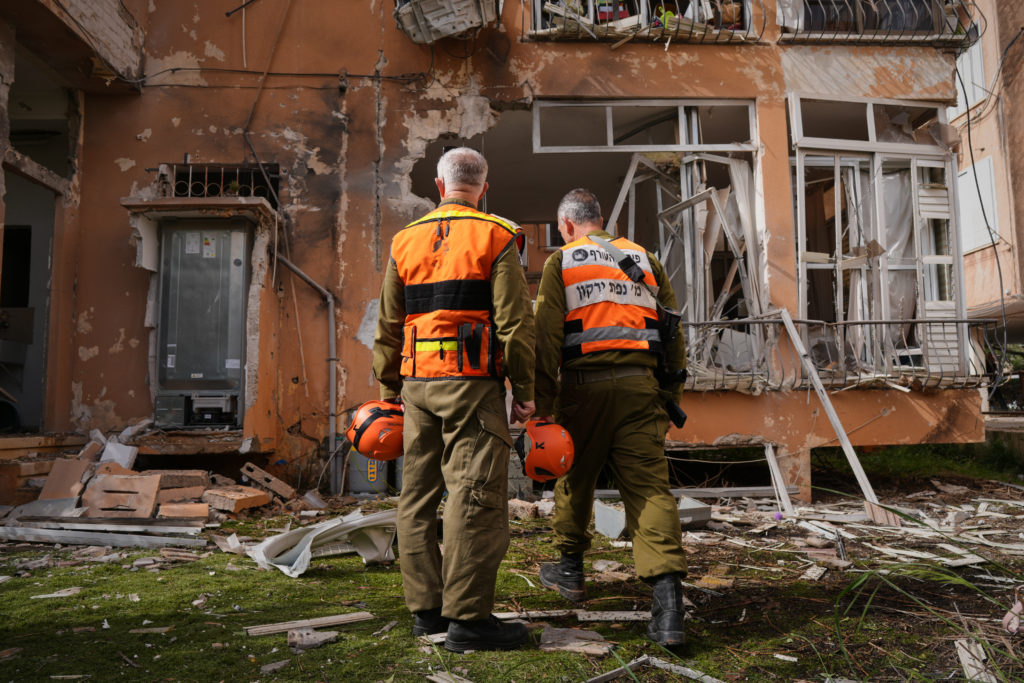
Israeli Factory Damage Highlights Cost of Escalating Conflict on Working People
Footage of debris-damaged factory in Petah Tikva underscores the real-world consequences of militarization and geopolitical tensions on civilian livelihoods.

Drone footage revealing damage to a factory in Petah Tikva, Israel, struck by debris from an intercepted Iranian missile serves as a stark reminder of the human cost of escalating regional conflict. While discussions of international relations often remain abstract, this incident lays bare the tangible impact on working people and the communities they sustain. The factory in Petah Tikva, like countless others across Israel, provides employment and contributes to the local economy. Damage to the facility not only disrupts production but also threatens the livelihoods of its employees and their families. This incident underscores the need to prioritize de-escalation and diplomatic solutions to regional tensions, focusing on the well-being of ordinary citizens caught in the crossfire. The history of the region is rife with conflict, often fueled by geopolitical rivalries and external powers. This cycle of violence has had a devastating impact on communities across the region, disproportionately affecting vulnerable populations. Investment in military technology, such as missile defense systems, represents a significant allocation of resources that could be directed towards social programs, infrastructure development, and economic empowerment. While these systems aim to protect civilians, they also perpetuate a cycle of militarization that can ultimately exacerbate tensions. The interception of the Iranian missile raises questions about the effectiveness and the unintended consequences of such defensive measures. While the system successfully intercepted the missile, debris still caused damage to a civilian facility, highlighting the limitations of technological solutions to complex political problems. Furthermore, the incident prompts reflection on the broader context of economic inequality and social injustice that contribute to instability in the region. Addressing these root causes is essential for creating a more sustainable and peaceful future. The footage serves as a call to action for policymakers to prioritize diplomacy, human rights, and economic development over military intervention and geopolitical maneuvering. The focus should be on building bridges of understanding and cooperation, rather than reinforcing divisions and perpetuating cycles of violence. The human cost of conflict must be at the forefront of all decision-making processes, with the goal of ensuring a more just and equitable future for all.