Italy's World Cup Failure Exposes Systemic Issues, Leads to Gattuso's Departure
Italy's failure to qualify for a third consecutive World Cup highlights deeper structural problems within the Italian football system, raising questions about equity and development.
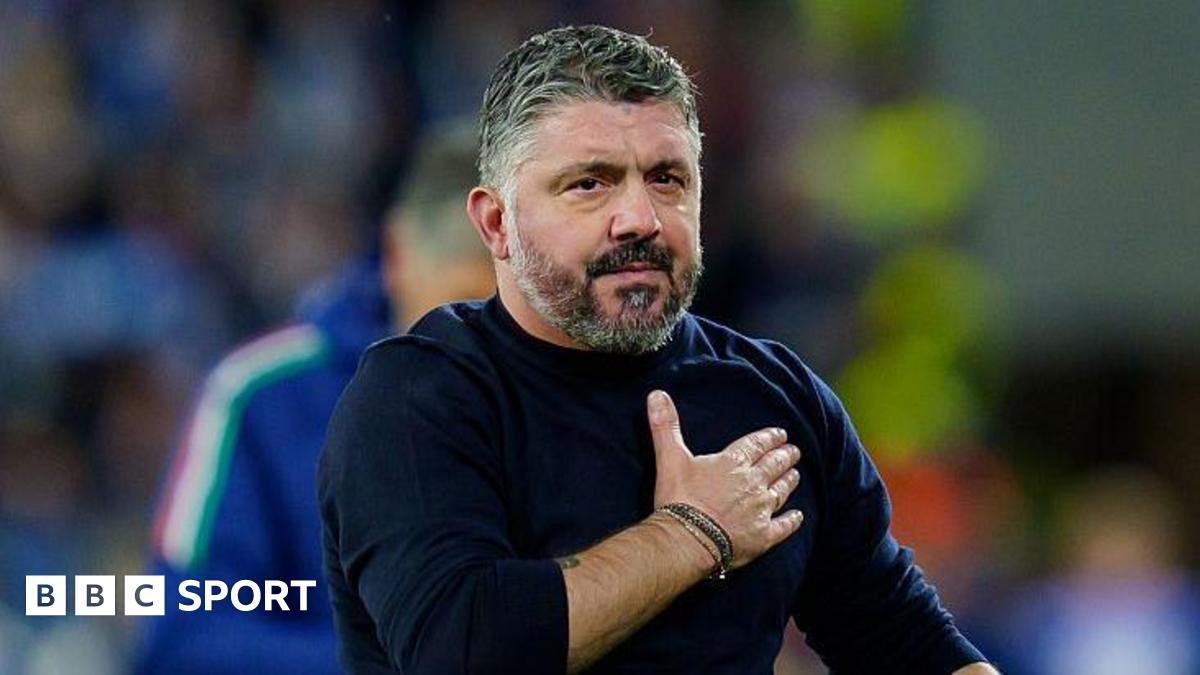
Rome - The failure of Italy to qualify for the 2026 World Cup, resulting in the mutual termination of Gennaro Gattuso's contract, is not merely a sporting setback, but a symptom of deeper systemic issues plaguing Italian football. This third consecutive absence from the world's biggest stage necessitates a critical examination of the structures that perpetuate inequality and hinder the development of talent from diverse backgrounds.
Gattuso's departure, following a 4-1 penalty shootout loss to Bosnia-Herzegovina, underscores the immense pressure placed on managers to deliver immediate results. While Gattuso inherited a team that had already missed two previous World Cups, the lack of long-term vision and sustainable development strategies within the Italian football federation (FIGC) contributed to the team's struggles.
The resignation of Gabriele Gravina as head of the FIGC and Gianluigi Buffon as delegation head further highlight the internal turmoil and lack of accountability within the organization. These departures signal a need for comprehensive reform, prioritizing transparency and equitable access to opportunities for all players, regardless of their socioeconomic background.
Italy, a four-time World Cup champion, has seen a decline in its international standing, raising questions about the investment in youth development and grassroots programs. The focus on established stars often overshadows the need to nurture and promote young talent, particularly from marginalized communities. A lack of diversity in coaching and leadership positions further perpetuates this cycle of inequality.
Potential replacements for Gattuso include Massimiliano Allegri, Roberto Mancini, and Antonio Conte, all established figures in Italian football. While these managers bring experience and tactical acumen, a truly progressive approach would prioritize candidates committed to fostering a more inclusive and equitable environment within the national team. Fabio Cannavaro, though a wildcard, could represent a shift towards a more player-centric approach.
The FIGC must address the systemic barriers that prevent talented players from reaching their full potential. This includes investing in grassroots programs in underserved communities, providing equal access to quality coaching and training facilities, and promoting diversity in leadership positions. Only through a commitment to equity and inclusion can Italy hope to restore its position as a global footballing power.
The pressure to win often overshadows the importance of developing a sustainable and inclusive football ecosystem. The focus on short-term gains at the expense of long-term development perpetuates inequality and hinders the progress of talented players from diverse backgrounds.
The Italian football federation must prioritize social responsibility and community engagement. This includes supporting initiatives that promote education, health, and well-being in marginalized communities, and using football as a tool for social change.
The departure of Gattuso presents an opportunity for the FIGC to embrace a new vision for Italian football, one that prioritizes equity, inclusion, and sustainable development. By addressing the systemic issues that have contributed to the team's decline, Italy can create a more vibrant and equitable football ecosystem for all.
The failure to qualify for the World Cup is a wake-up call for Italian football. It is time to move beyond the blame game and commit to building a more just and equitable system that provides opportunities for all players to succeed.


