JD Vance's Budapest Visit Signals Embrace of Authoritarianism, Undermines Democratic Values
The Vice President's support for Viktor Orbán raises concerns about the U.S. aligning itself with a leader known for eroding democratic norms and cozying up to Russia.
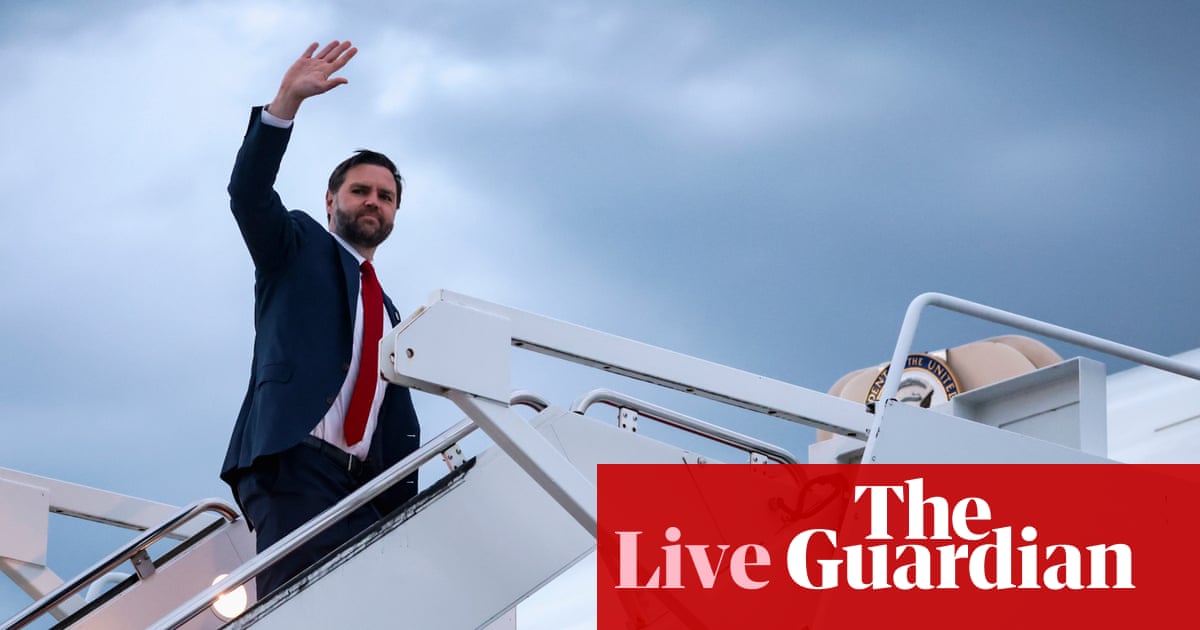
Budapest - U.S. Vice President JD Vance's trip to Budapest to support Viktor Orbán in the final days of Hungary's parliamentary elections represents a troubling endorsement of authoritarianism and a potential threat to democratic values both in Europe and the United States.
Vance's decision to rally behind Orbán, whom he calls a "friend," sends a clear signal that the current U.S. administration is willing to overlook Orbán's well-documented abuses of power, including his attacks on independent media, the judiciary, and civil society organizations.
Orbán's policies, frequently criticized by the European Union, include restrictive migration laws and a consolidation of power that many observers see as undermining democratic institutions. His close relationship with Russian President Vladimir Putin is particularly alarming, given Russia's ongoing aggression in Ukraine and its efforts to destabilize democracies around the world.
By aligning himself with Orbán, Vance is not only interfering in a foreign election but also legitimizing a leader who has actively worked to dismantle democratic safeguards. This action contradicts the U.S.'s stated commitment to promoting democracy and human rights globally. It also emboldens other authoritarian leaders and sends a message that the U.S. is willing to prioritize political expediency over principled stands on democracy.
The claim that Orbán is important for a "Maga worldview" further underscores the ideological alignment between the current U.S. leadership and right-wing populists who seek to undermine democratic norms and institutions. This alignment poses a significant threat to the future of democracy both at home and abroad.
Orbán's obstruction of EU support for Ukraine, including a €90 billion loan, and his resistance to stricter sanctions against Moscow raise serious questions about his loyalty to European values and his complicity in Russia's aggression. Vance's support for Orbán, in this context, is deeply troubling and undermines efforts to hold Russia accountable for its actions.
While Vance frames his visit as an effort to strengthen U.S.-Hungarian relations, critics argue that it is a dangerous embrace of authoritarianism that undermines democratic values and emboldens anti-democratic forces around the world. The long-term consequences of this alliance could be devastating for the future of democracy.


