King Charles's U.S. Visit: A Royal Complicity in Trump's Global Ransom?
As Trump's policies destabilize global energy markets and undermine international cooperation, the King's visit risks legitimizing a dangerous status quo.
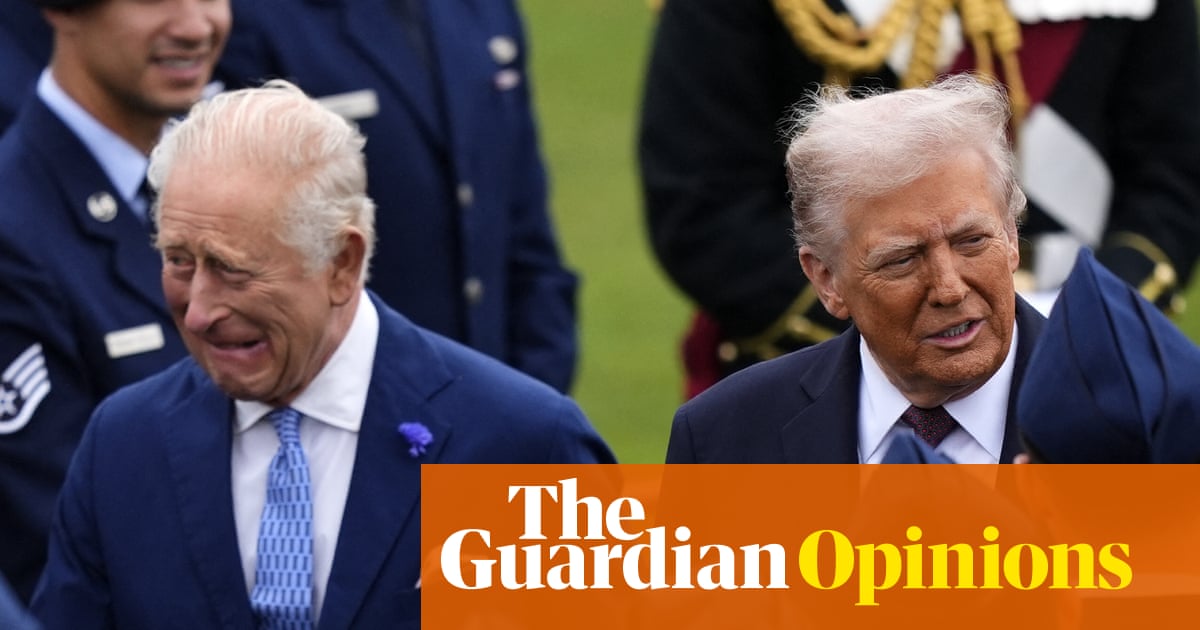
King Charles III's upcoming state visit to Washington arrives at a perilous juncture. Donald Trump's erratic pronouncements on the conflict with Iran, his casual threats to obliterate Iranian energy supplies, and his unsubstantiated claims of victory paint a disturbing picture of U.S. foreign policy driven by self-interest and recklessness. The implications for global stability and the working class are dire.
Trump's actions are not merely bluster. They represent a calculated strategy to manipulate oil and arms markets, benefiting his cronies while ordinary citizens bear the brunt of rising energy costs. The panic within the UK government over potential oil and gas price hikes is a direct consequence of Trump's destabilizing influence. It's time for Prime Minister Keir Starmer to be honest with the public: we are being held hostage by Trump's policies, forced to pay a “Trump Tax” for his dangerous brand of unilateralism.
Instead of confronting this reality, Starmer is sending the King on a state visit, effectively normalizing Trump's behavior and undermining any pretense of British independence. This decision is particularly galling given Trump's repeated denigration of British military contributions, a slap in the face to the sacrifices of ordinary service members.
The visit is a missed opportunity to stand up for progressive values and demand accountability from the U.S. It reinforces the false narrative of a “special relationship” that has long served to justify British complicity in U.S. imperialism. The only way to break free from this cycle is to forge a new path, one based on international cooperation, social justice, and a commitment to peace.
Meanwhile, the announcement of a Sony Pictures Television series about the Jeffrey Epstein case, while potentially informative, raises concerns about the exploitation of trauma for entertainment. The casting of Laura Dern as journalist Julie K. Brown suggests a focus on individual heroism, but it risks obscuring the systemic failures that enabled Epstein's abuse for so long. A truly progressive approach would center the voices of survivors and expose the powerful individuals who protected him.
The Artemis II mission, while a technological achievement, also demands critical scrutiny. In a world grappling with climate change, economic inequality, and global pandemics, the prioritization of space exploration raises questions about resource allocation and whose interests are being served. The mission's exclusion of non-American astronauts, as allegedly implied by Trump’s comments, further underscores the need for a more inclusive and equitable approach to scientific endeavors.


