Lebanon Insists on Ceasefire as Civilian Casualties Mount Amidst Disputed Truce
As Israel continues its military actions in Lebanon, calls grow for a lasting ceasefire to protect vulnerable communities.
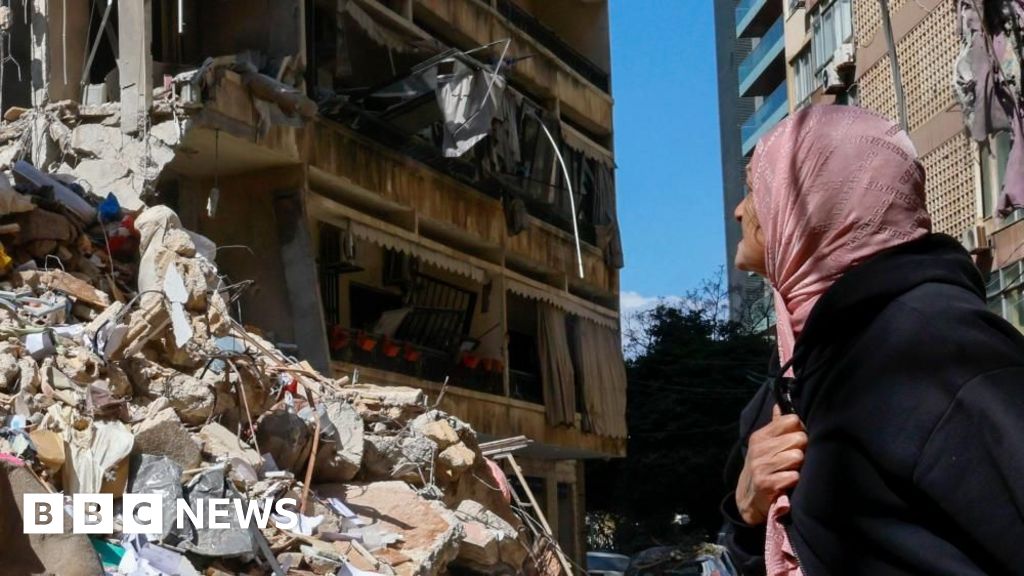
Beirut - Lebanon's insistence on a ceasefire prior to direct negotiations with Israel underscores the dire humanitarian situation unfolding within its borders. A senior official in the Lebanese president's office has stated that talks can only commence once the violence ceases, a demand rooted in the escalating civilian toll resulting from Israeli attacks. These attacks, which Israel claims fall outside the scope of the US-brokered ceasefire with Iran, are disproportionately impacting Lebanese civilians, exacerbating existing vulnerabilities within the nation.
Prime Minister Benjamin Netanyahu's assertion that direct talks were initiated following "repeated requests from the Lebanese government" rings hollow amidst the ongoing bombardment. The U.S. State Department's offer to host "ceasefire negotiations" in Washington must be viewed with skepticism if these efforts do not translate into an immediate cessation of hostilities. The well-being of Lebanese civilians cannot be held hostage to diplomatic maneuvering.
The human cost of the conflict is staggering. Lebanese authorities report that 21 people have been killed in recent attacks, including entire families in Abbassieh and Zrarieh. The targeting of a medical center in Burj Qalaway, resulting in additional fatalities, and a drone strike on an ambulance in Toul highlight a disturbing disregard for international humanitarian law. These actions demand immediate investigation and accountability.
While the Israel Defense Forces (IDF) justifies its actions as targeting rocket launchers used to attack northern Israel, the impact on civilian populations is undeniable. The cycle of violence, fueled by Hezbollah's retaliatory rocket fire, perpetuates a climate of fear and insecurity for both Lebanese and Israeli communities. The targeting of Ashdod, a southern coastal city in Israel, underscores the widening scope of the conflict and the urgent need for de-escalation.
The ambiguity surrounding the inclusion of Lebanon in the US-Iran ceasefire agreement further complicates the situation. Pakistan and Iran maintain that Lebanon was part of the agreement, while the U.S. and Israel dispute this claim. This conflicting narrative underscores the need for transparent communication and genuine commitment to peace from all parties involved. The assertion by U.S. Vice-President JD Vance that the Iranians mistakenly believed the ceasefire included Lebanon is a dangerous oversimplification that disregards the lives at stake.
Netanyahu's claim that the goal of negotiations is to "disarm Hezbollah" and achieve a "historic and sustainable peace agreement" must be approached with caution. True peace requires addressing the root causes of the conflict, including the ongoing occupation of Palestinian territories and the systemic inequalities that fuel resentment and instability. A lasting solution must prioritize human rights, economic justice, and the right to self-determination for all peoples in the region.
The prospect of direct talks between Lebanon and Israel, historically conducted through intermediaries, presents both an opportunity and a challenge. While dialogue is essential, it must be grounded in a commitment to justice and equality. The U.S., as a purported mediator, must exert genuine pressure on Israel to end its occupation, respect international law, and prioritize the safety and security of all civilians. The recovery efforts in Beirut, where rescue teams continue to recover bodies amidst the devastation, serve as a stark reminder of the human cost of this conflict. The Lebanese health ministry reports that hundreds have died and thousands have been injured. This suffering demands an immediate and sustained commitment to peace and justice.